112G vs 224G High Speed Copper Cables: Key Differences for Next-Generation Data Centers
- Share
- Issue Time
- Jan 14,2026
Summary
As data centers evolve to support AI workloads and next-generation network architectures, high speed copper cables are transitioning from 112G to 224G.
Introduction
As AI training workloads, large language models (LLMs), and hyperscale cloud infrastructure continue to scale rapidly, data center architectures are undergoing a fundamental shift. Massive east–west traffic between servers, switches, and accelerators is driving an unprecedented demand for higher interconnect bandwidth, lower latency, and improved energy efficiency.
In response to these requirements, the industry is moving beyond 112G PAM4—the foundation of today’s 400G Ethernet—toward 224G PAM4 copper interconnects designed to enable 800G and future 1.6T network architectures. This transition is not simply a matter of doubling data rates; it introduces significantly tighter signal integrity margins, stricter material and manufacturing requirements, and new constraints on distance and deployment models.
For network planners, system architects, and procurement teams, understanding the technical and practical differences between 112G and 224G copper cables is becoming increasingly important. These differences directly impact network scalability, system reliability, power consumption, and long-term total cost of ownership in next-generation AI-driven data centers.
Data Rate Evolution: 112G to 224G Copper Cables
112G PAM4 has served as the technical foundation of 400G Ethernet deployments and is widely regarded as a mature and stable signaling technology. It has enabled large-scale adoption of high-speed copper interconnects in cloud data centers, supporting balanced performance, cost efficiency, and deployment flexibility.
However, the rapid growth of AI clusters is fundamentally reshaping traffic patterns within data centers. Large-scale GPU and accelerator fabrics generate massive east–west traffic, placing increasing pressure on switch bandwidth, port density, and interconnect scalability. As switch radix continues to rise and aggregate throughput requirements grow, 112G per-lane signaling is gradually approaching its practical limits in terms of bandwidth density and system complexity.
224G PAM4 addresses these challenges by effectively doubling the throughput of each electrical lane. This allows 800G and future 1.6T Ethernet systems to be realized without a proportional increase in port count, cable volume, or power consumption. As a result, 224G enables more scalable network architectures, simplifies cabling layouts, and supports higher compute density—making it a key enabler for next-generation AI-driven data centers.
Signal Integrity in 112G and 224G Copper Cables
At 224G data rates, signal integrity becomes the dominant design constraint for high speed copper cables. Compared with 112G designs, the available electrical margin is significantly reduced, making the interconnect far more sensitive to loss, noise, and manufacturing variation.
Key signal integrity parameters—including insertion loss, return loss, impedance discontinuities, and near-end and far-end crosstalk—must be tightly controlled across a much wider frequency range. As signaling speeds increase, high-frequency attenuation and reflections have a greater impact on eye opening, directly affecting system stability and bit error rate (BER).
At this level of performance, even minor variations in conductor geometry, insulation concentricity, pair balance, or assembly consistency can lead to measurable degradation in signal quality. These challenges place higher demands on both cable design and manufacturing precision, reinforcing the importance of end-to-end signal integrity engineering for reliable 224G copper interconnects.
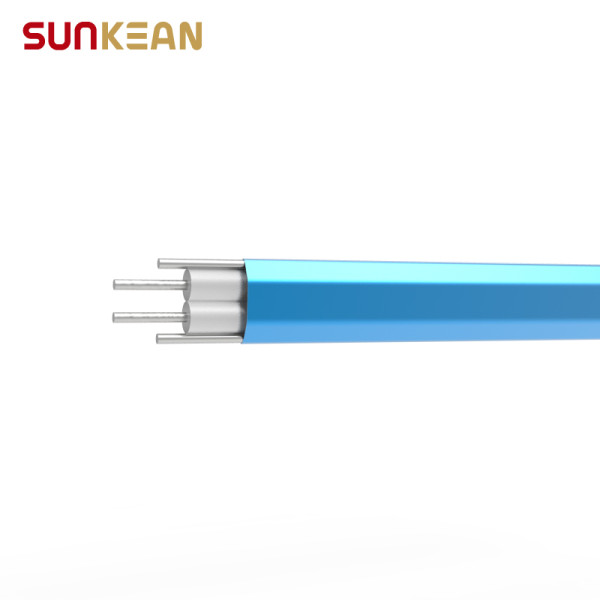
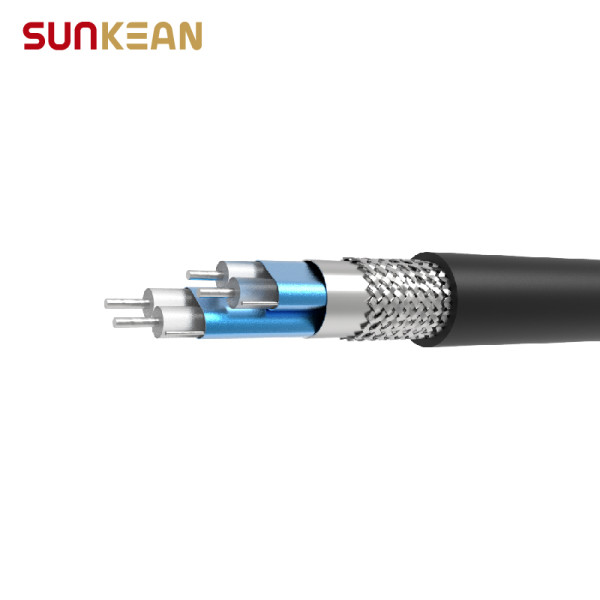
Conductor: 30AWG, 28AWG, 26AWG
Insulation: PE; Foam FEP/; Foam PE/PE
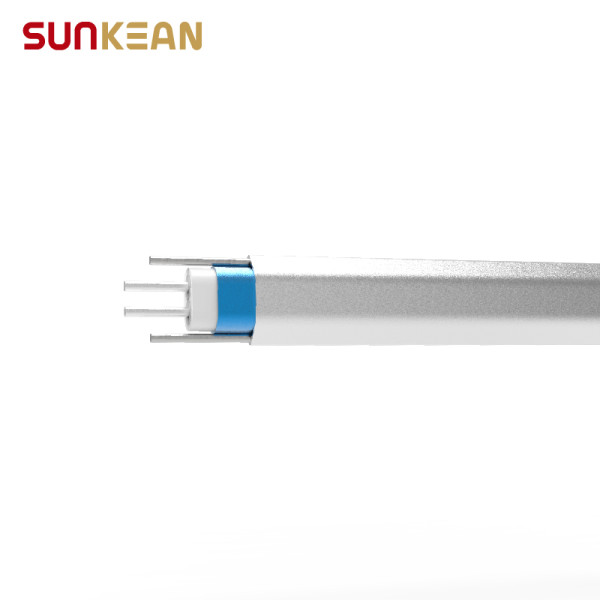
Conductor: 30AWG, 28AWG, 26AWG
Insulation: PE; Foam FEP/; Foam PE/PE
112G copper cables typically rely on well-established twinax or parallel copper structures with mature and widely validated material systems. At this data rate, conventional high-purity copper conductors and proven dielectric formulations are generally sufficient to meet insertion loss, impedance, and crosstalk requirements across short-reach data center applications.
In contrast, material selection and cable construction become significantly more critical for 224G copper cables. As operating frequencies increase, even small variations in conductor surface roughness, dielectric consistency, or geometric symmetry can have a measurable impact on signal integrity. To address these challenges, 224G designs increasingly depend on higher-purity copper conductors with optimized surface characteristics, low-Dk dielectric materials that reduce signal propagation delay, and highly stable foamed insulation structures that ensure consistent impedance along the entire cable length.
Beyond material choice, cable geometry and structural symmetry play a decisive role at 224G speeds. Tight control of conductor spacing, insulation concentricity, and pair-to-pair balance is essential to minimize attenuation, suppress mode conversion, and maintain electrical performance across a wide frequency spectrum. Together, these material and structural design considerations form the foundation for reliable 224G copper interconnects in next-generation data center environments.
Manufacturing Tolerance for 224G Copper Cables
Compared with 112G copper cables, 224G designs require substantially tighter manufacturing tolerances across every stage of production. At these ultra-high data rates, even micron-level variations in conductor diameter, insulation thickness, or pair spacing can introduce impedance discontinuities that directly impact signal integrity.
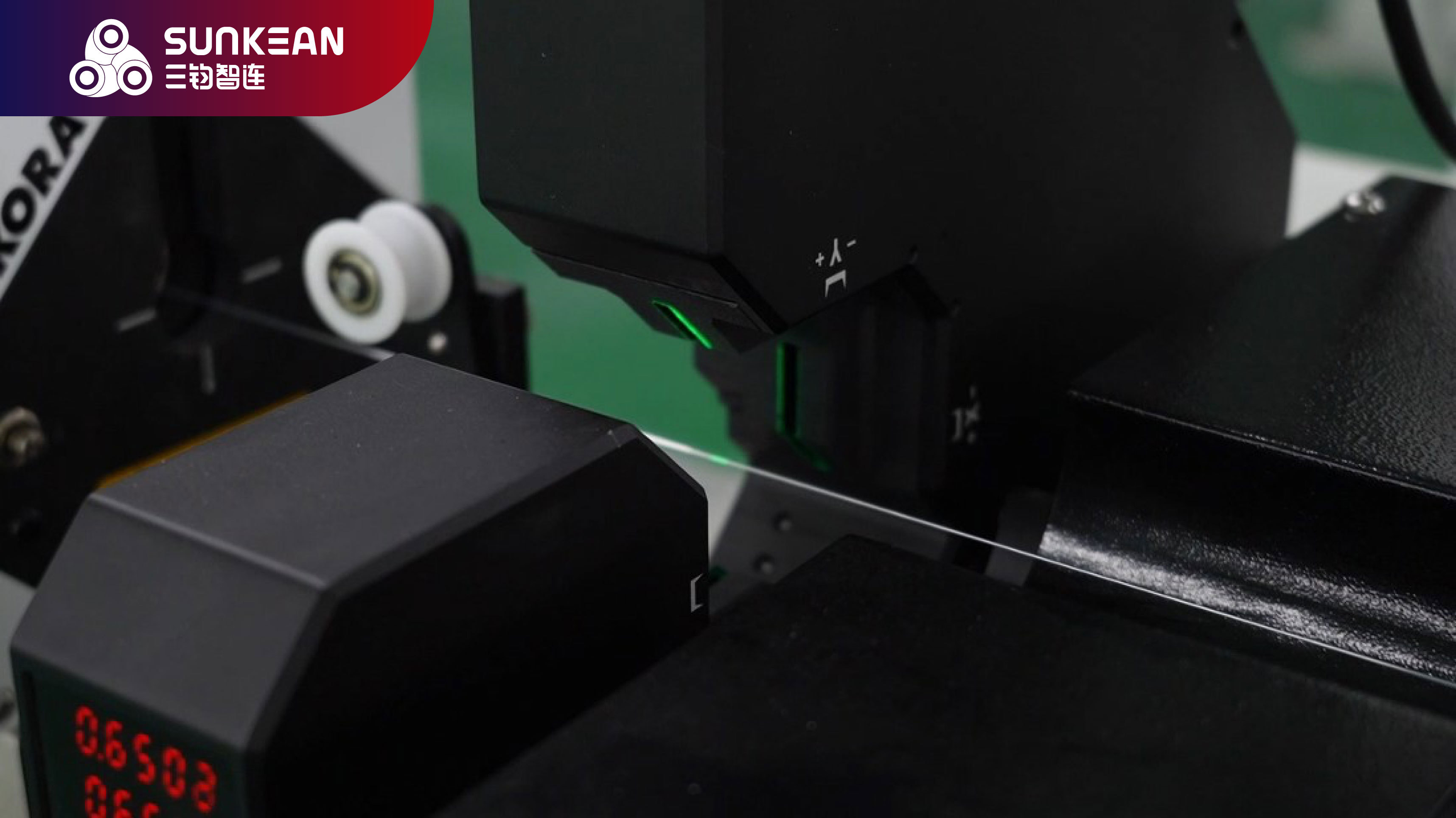
Precision extrusion is therefore a foundational requirement for 224G copper cable manufacturing. Stable extrusion pressure, temperature control, and material consistency must be maintained throughout the process to ensure uniform dielectric geometry. In parallel, real-time diameter monitoring and concentricity control enable immediate detection and correction of deviations before they accumulate along the cable length.
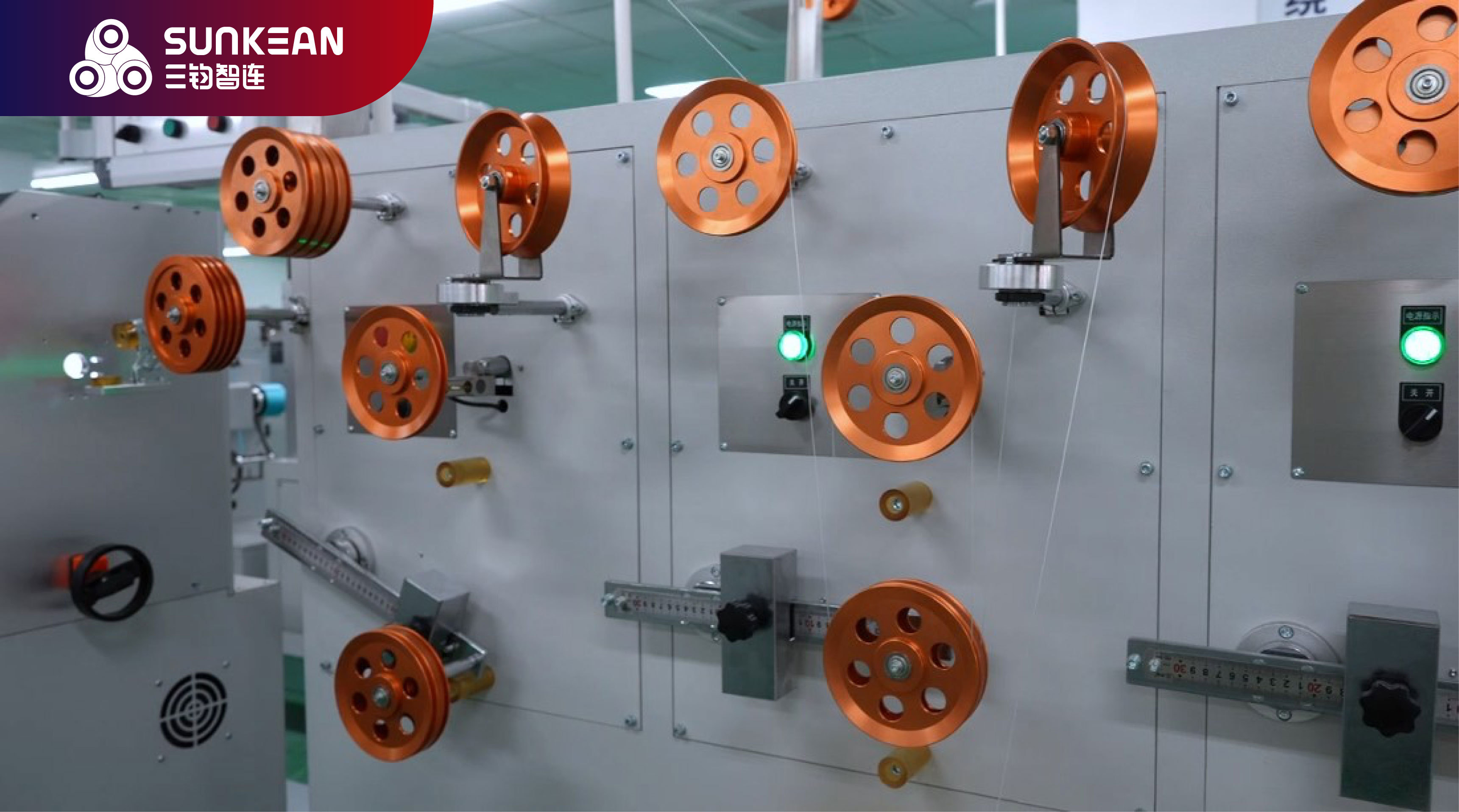
Additionally, controlled taping and shielding processes play a critical role in maintaining pair balance and suppressing crosstalk at high frequencies. Consistent taping tension and overlap ratios help preserve mechanical symmetry and electrical stability. Ultimately, advanced process control is not only essential for meeting electrical specifications at 224G, but also directly translates into higher production yield, repeatability, and long-term reliability in large-scale data center deployments.
Distance Limits of 112G vs 224G Copper Cables
112G passive copper cables are widely deployed in short-reach data center interconnects, offering a favorable balance between performance, cost, and deployment simplicity. Their distance capability and electrical margins are well understood, making them a reliable choice for server-to-switch and switch-to-switch connections in traditional cloud architectures.
For 224G copper cables, distance margins become significantly more constrained due to increased attenuation, tighter loss budgets, and heightened sensitivity to impedance variation. As a result, purely passive copper solutions may be limited to very short reaches, while active copper cables or highly optimized passive designs are required to extend usable distance in practical deployments.
These distance constraints have a direct impact on AI cluster topology planning. Cable length, rack layout, and switch placement must be carefully optimized to balance performance, power consumption, and overall system cost. As data rates increase, the distinction between passive and active copper solutions becomes a key architectural decision rather than a simple cabling choice.
Deployment Scenarios for 112G and 224G Copper Cables
112G Copper Cables are well suited for mature 400G deployments in traditional cloud data centers. They support stable, high-volume applications where network architectures and traffic patterns are relatively well established, and where cost efficiency and ease of deployment remain primary considerations.
224G Copper Cables, by contrast, are designed for emerging 800G and future 1.6T environments, particularly in next-generation AI clusters and high-density GPU fabrics. These scenarios demand maximum bandwidth density, ultra-low latency, and optimized interconnect performance to support large-scale parallel computing.
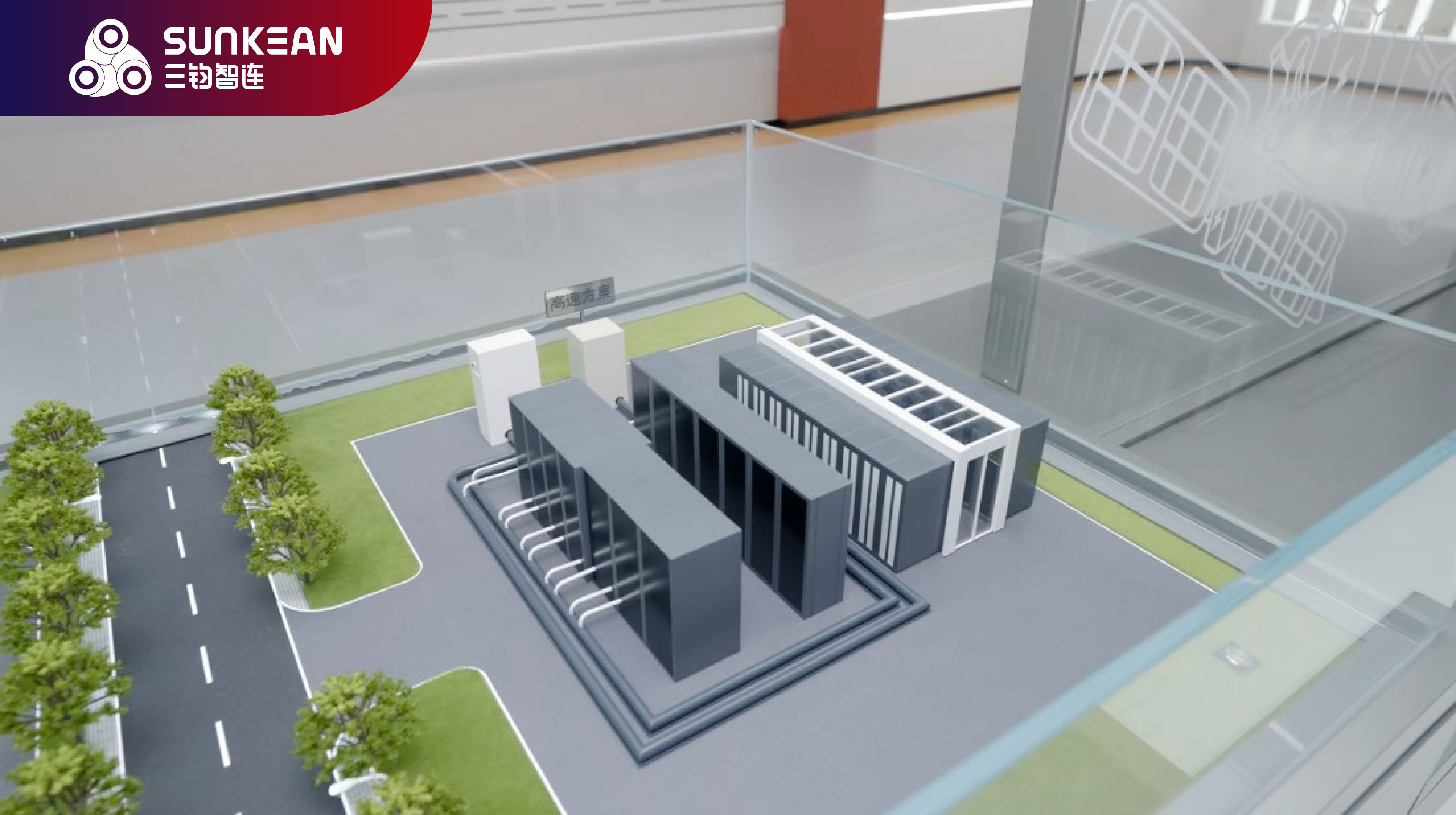
In such deployments, 224G copper cables enable more scalable network designs by reducing port count, simplifying cabling complexity, and supporting higher compute density per rack. SUNKEAN's high speed production workshop combines advanced manufacturing and real-time monitoring to deliver reliable high speed copper cables for data center interconnects. With precision Rosendahl foam extrusion machine, zero-tension taping, and in-line quality control, we ensure stable performance, consistent delivery, and readiness for next-generation 112G and 224G applications. If you have any questions, welcome to contact us: sales@sunkean.com