Europe's Solar Retrofit Wave: Don't Overlook DC Cables and Connectors
- Share
- Issue Time
- Oct 27,2026
Summary
Explore how SUNKEAN's solar PV retrofit solutions combine aluminum solar cables and copper-to-aluminum transition harnesses to reduce costs, simplify installation, and support reliable connectivity.
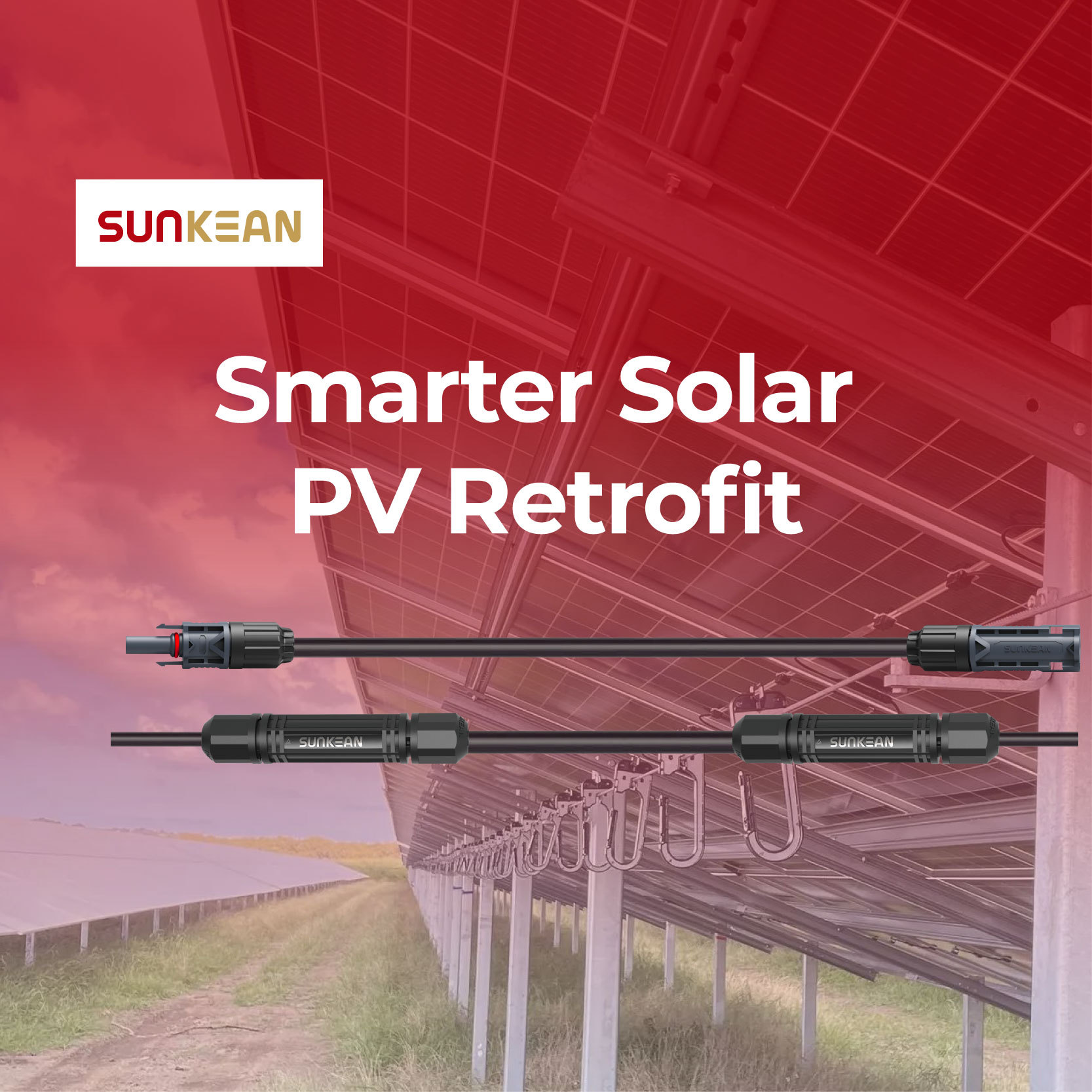
A significant portion of Europe's installed solar capacity was commissioned between 2005 and 2015. These assets are now approaching two milestones simultaneously: the end of their original design life and, particularly for Germany's solar fleet, the expiry of the 20-year support period under the Renewable Energy Sources Act (EEG). For most owners, a complete rebuild was never the intention. Retrofitting — selectively upgrading inverters, cabling, and connection infrastructure while retaining everything that still performs reliably — has become the preferred approach.
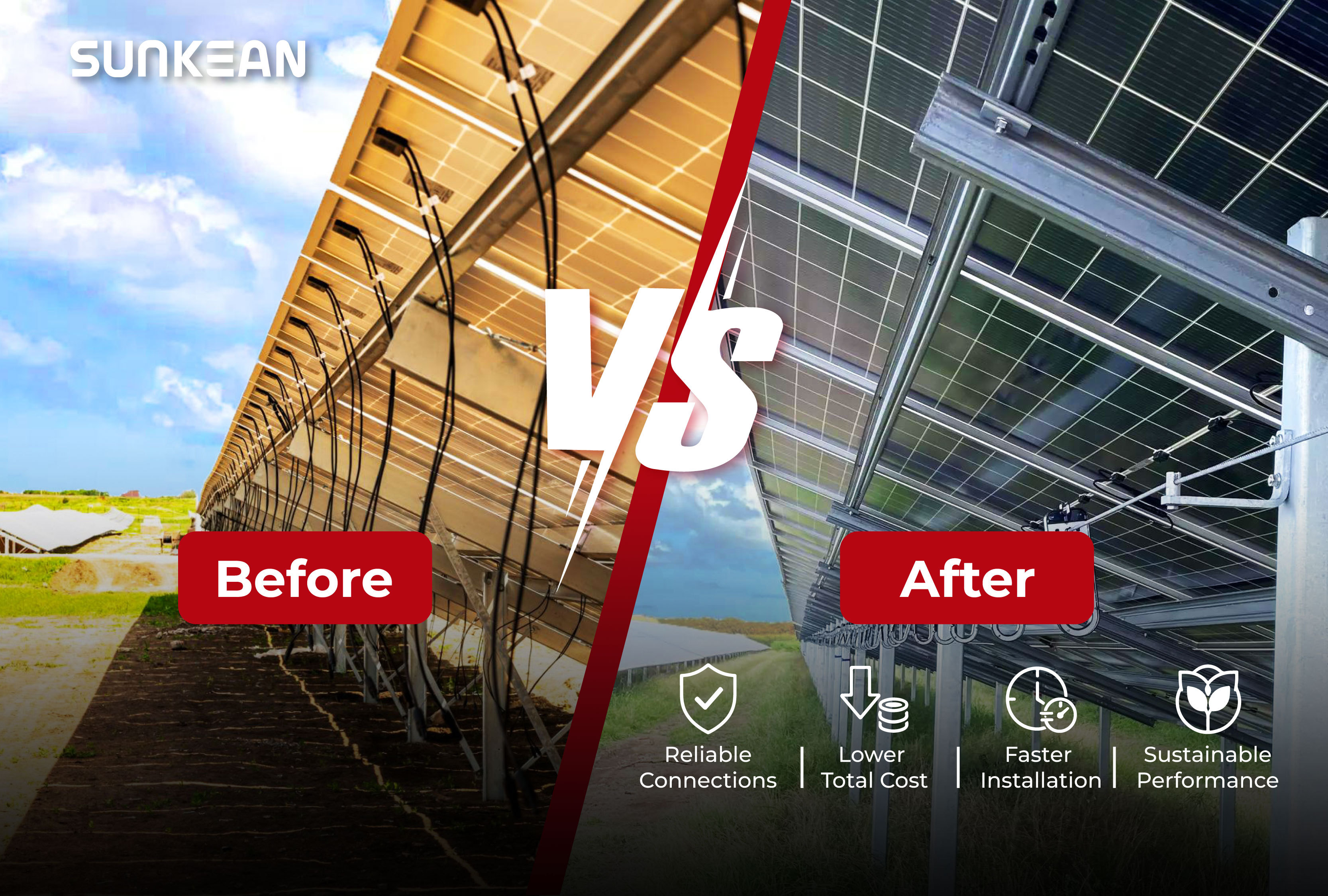
The strategic decision is now the straightforward part. The policy rationale is well established, financing structures are familiar, and the business case is broadly understood. What projects often underestimate is the complexity of execution once work moves from feasibility studies to the field. Time and again, the challenges concentrate at the connection layer: the cables, connectors, and interfaces between the equipment being retained and the new components being installed.
Where Retrofits Quietly Break Down
In practice, a retrofit involves carefully re-engineering an asset that may have been operating for a decade or more. The connection layer — including DC cables, connectors, and the interfaces between existing and new equipment — is where much of this work is decided, and where several recurring challenges arise for asset owners and EPCs alike.
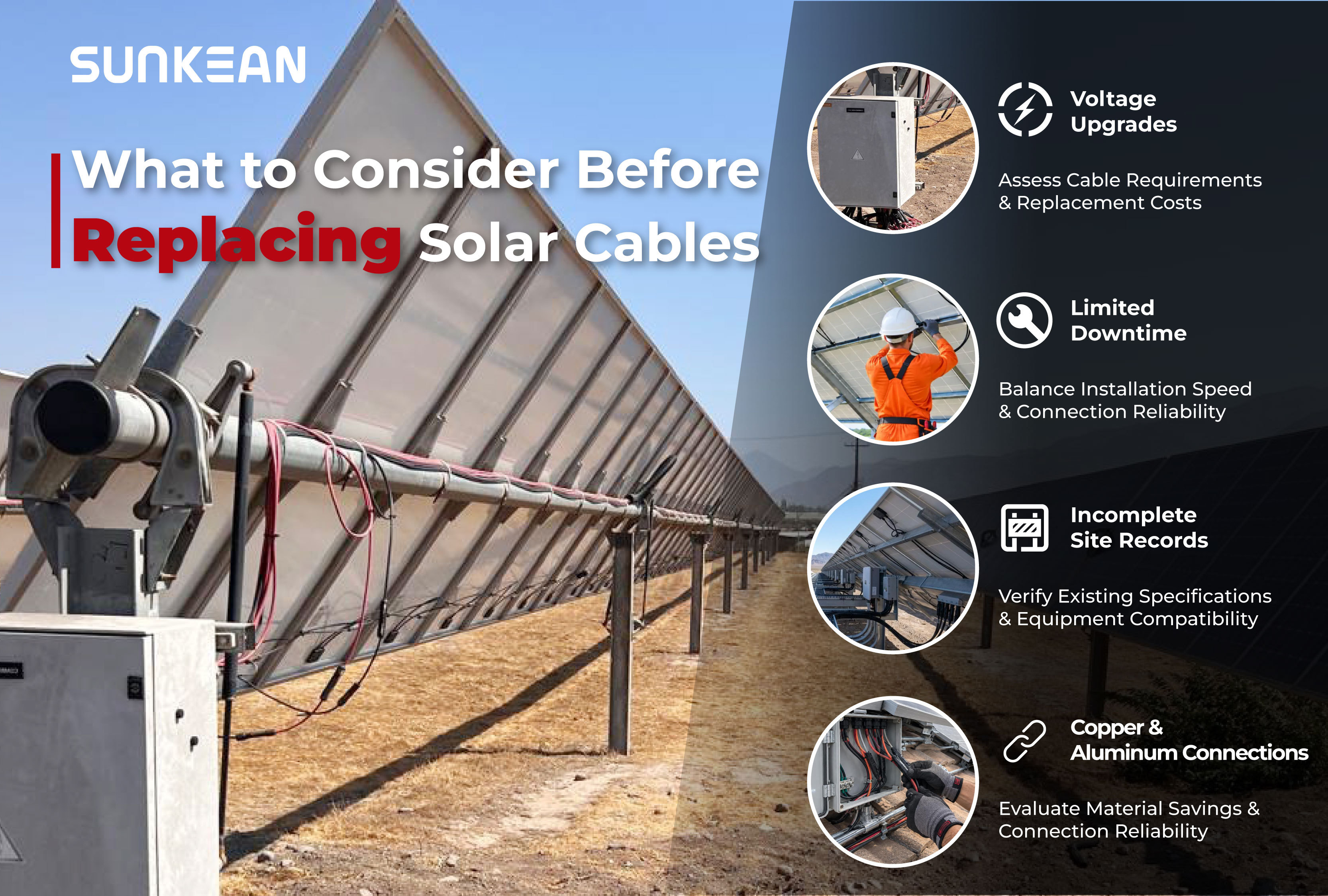
For plants originally built to 1,000 V, upgrading to 1,500 V is often part of the business case, whether to accommodate modern inverters or integrate energy storage. However, existing DC cabling may no longer meet the requirements of the higher-voltage system. What begins as an upgrade can therefore expand into a more extensive cable replacement programme, with implications for both budget and schedule that are worth assessing early.
Because the work takes place at an operating asset, the available window for interruption is limited. Power generation stops as soon as strings are disconnected, so project teams must balance installation speed with the care required for reliable connections — a trade-off familiar to every retrofit manager.
Older plants also tend to have incomplete records. Drawings may exist only on paper or be missing altogether, cable specifications may be undocumented, and connector models may be unknown. In some cases, the original suppliers may no longer be in business. Defining the connection scope therefore requires a careful assessment of the equipment and connections actually present on site.
Material costs are another factor shaping retrofit decisions. Retrofitting is expected to be economical precisely because it builds on existing assets, yet high copper prices can significantly increase conductor costs. Aluminium is a natural alternative to consider, although it brings its own engineering challenges, particularly when connecting dissimilar metals.
Finally, installation capabilities matter. Where O&M teams are lean and site practices vary, connection quality is best supported by solutions that do not rely on specialised skills for every on-site joint.
The strategic decision to retrofit is straightforward. The connection layer is where that decision is won or lost.
What SUNKEAN Brings to a Retrofit
The right connection partner does more than supply components — it helps project teams navigate the challenges outlined above. SUNKEAN offers a focused range of products and services for the retrofit connection layer, helping turn potential obstacles identified during planning into manageable aspects of project execution.
At the core is a complete connection system combining aluminium solar cable, prefabricated copper-to-aluminium (Cu-Al) transition harnesses, and configurable connectors such as the SK4-C. Together, these solutions help bridge legacy infrastructure and new equipment, supporting upgrades to 1,500 V systems without requiring the replacement of everything that still performs reliably.
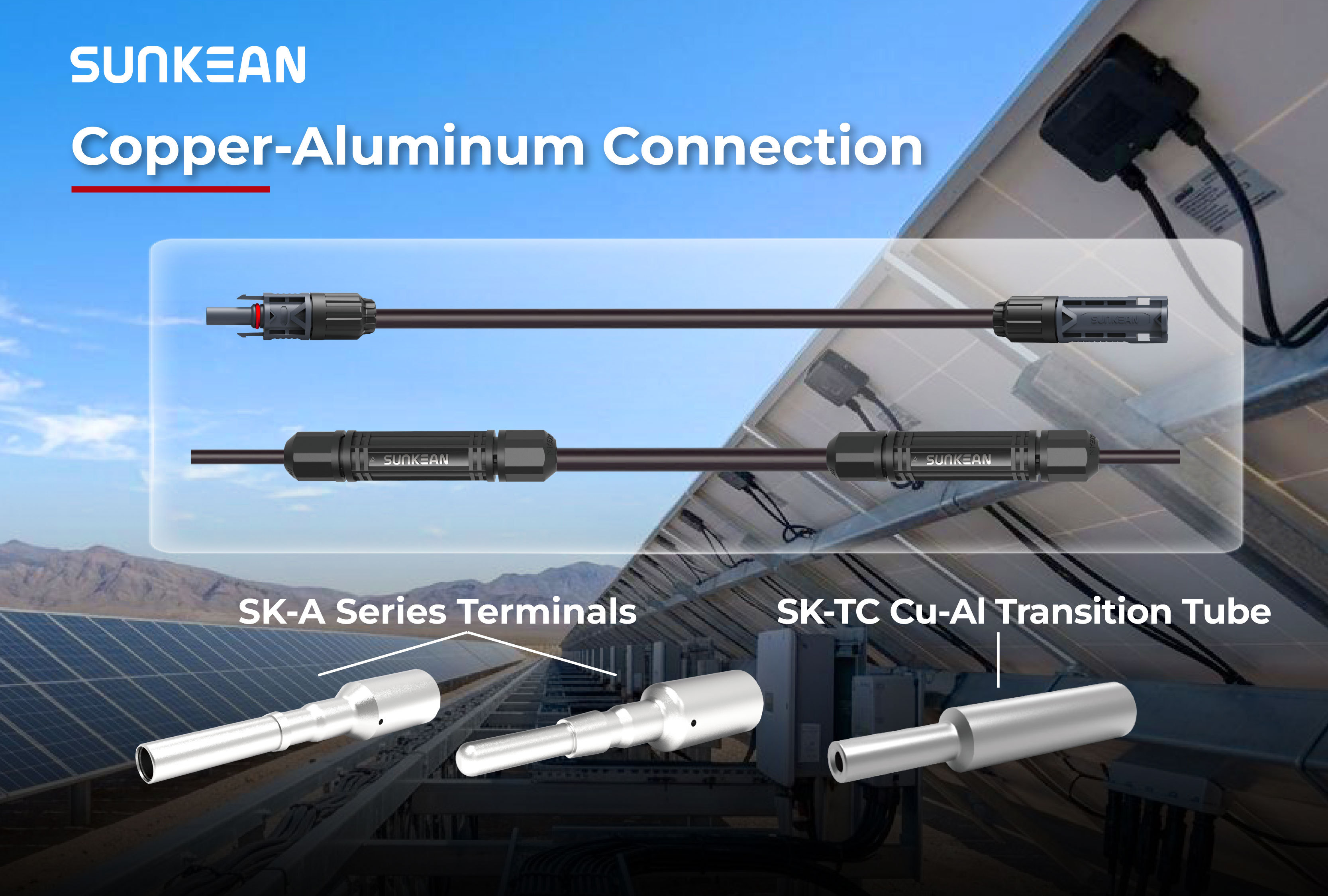
System reliability depends on how each connection is made. Using solid-state friction welding, SUNKEAN creates a metallurgical bond between aluminium and copper, isolating the interface and preventing the galvanic corrosion that can otherwise occur at dissimilar-metal joints. The result is a low-resistance connection designed to minimise the risk of hotspots. Where supported by product documentation, conductors comply with DIN EN/IEC 60228, while SUNKEAN’s SK-TC Cu-Al transition connector is TÜV-certified to 2 PfG 2915/07.23. These documented references support informed component selection for retrofit projects.
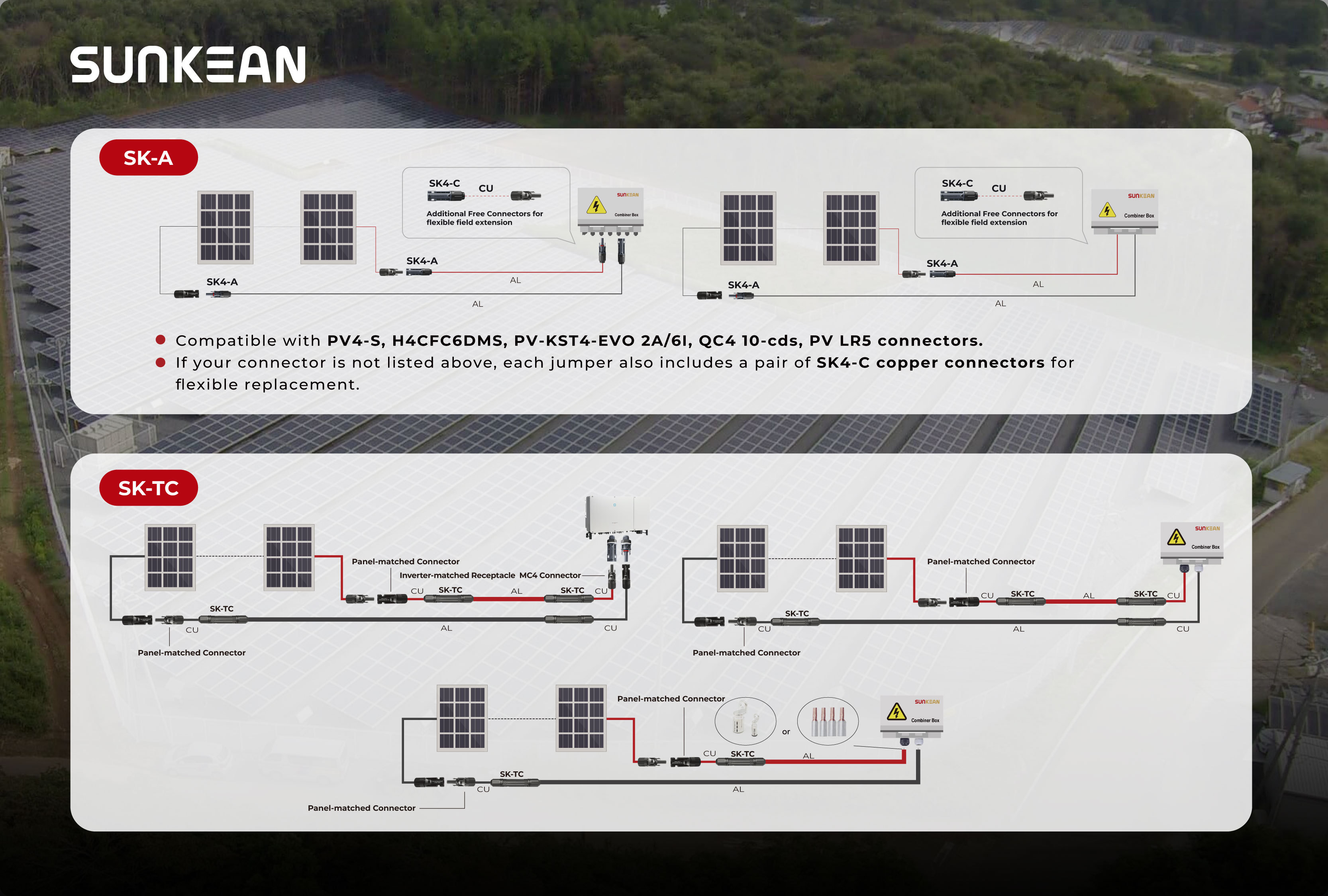
Much of this assurance is built in before products reach the site. Harnesses are delivered prefabricated, with crimping, Cu-Al transitions, and sealing completed in a controlled factory environment. After installation, resistance or impedance measurements and thermographic inspections under load can be used to verify connection performance. This approach reduces the variables left to on-site assembly and makes connection quality easier to verify rather than simply assume.
Cost efficiency requires a broader view. Aluminium conductors can carry the required current at a lower material cost than copper in suitable applications, while properly sized conductors help keep both material costs and handling weight under control. SUNKEAN evaluates connection solutions in terms of total cost — including materials, labour, and lifecycle considerations — helping ensure that the advantages of aluminium translate into genuine project savings rather than merely lower material costs on paper.
Proven in the Field, Delivered as a Programme
This is not just a laboratory claim. SUNKEAN's approach has been applied in retrofit and utility-scale solar projects, including a large installation in Chile, where prefabricated connections and Cu-Al transition technology were validated under real operating conditions. These applications have helped optimise material use and installation efficiency while supporting reliable system integration. Real-world experience gives asset owners greater confidence in specifying these solutions for their own projects.
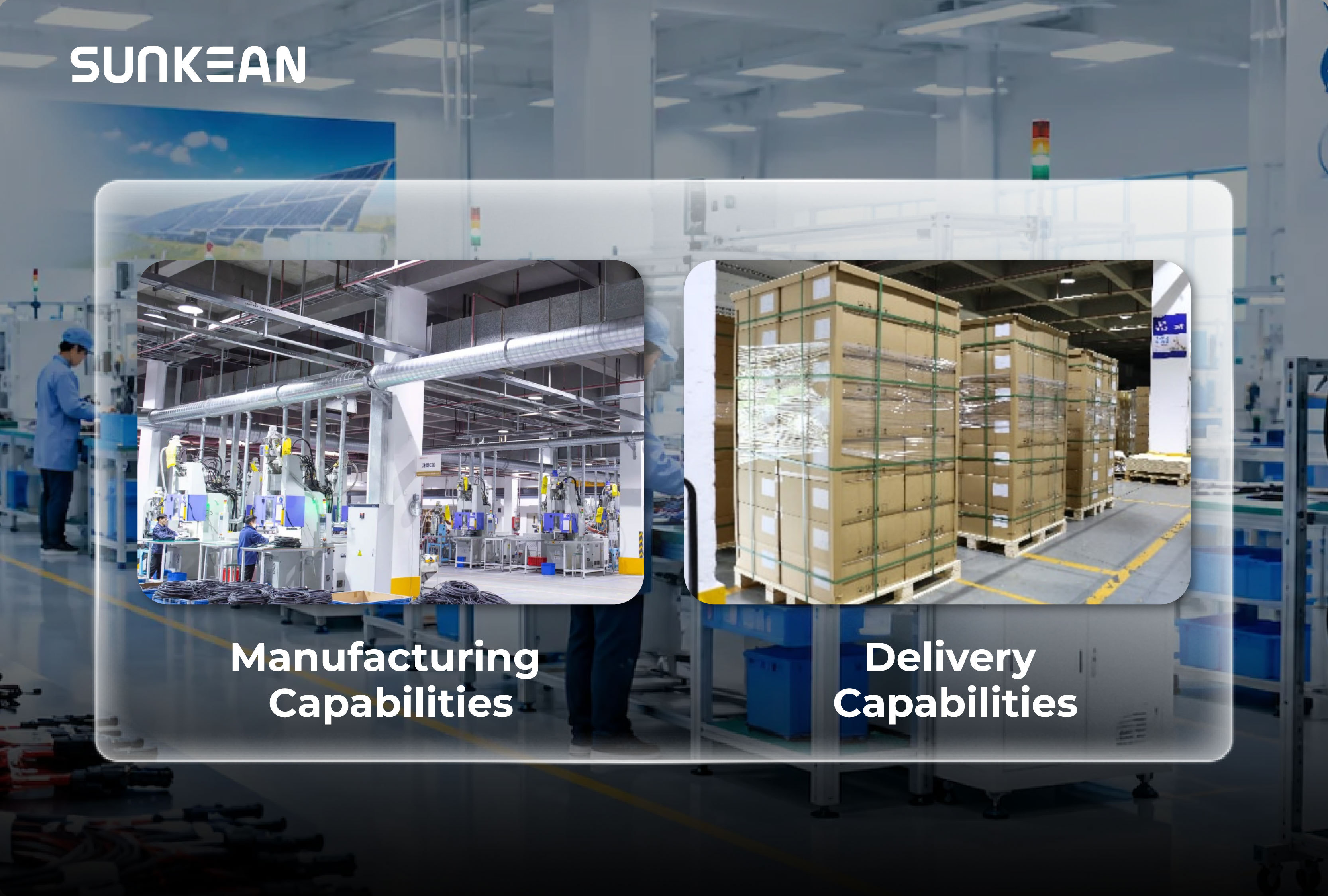
Because a retrofit is a programme rather than a single-product purchase, SUNKEAN supports projects as a manufacturer and engineering partner. This means the production capacity to configure cables, harnesses, and connectors around actual site conditions and deliver to project schedules, backed by quality assurance from the factory floor to the field. Support includes documented specifications, compatibility checks against existing infrastructure before configuration, and engineering assistance that remains available after handover.
For asset owners, the outcome is straightforward: a connection layer that is engineered, verified, and supported — helping the retrofit deliver on its promise without allowing connectivity to become the weakest link.
Planning a solar PV retrofit or cable replacement project?
Contact SUNKEAN to discuss aluminum cable, copper-to-aluminum transition harness, and connection solutions tailored to your project.