LSZH Cable for Data Centers: Why Low Smoke Zero Halogen Cables Matter in 2026
- Share
- Issue Time
- Apr 28,2026
Summary
LSZH (Low Smoke Zero Halogen) cables are critical for modern data centers due to their low smoke emission, non-toxic properties, and reduced corrosiveness during fire incidents.
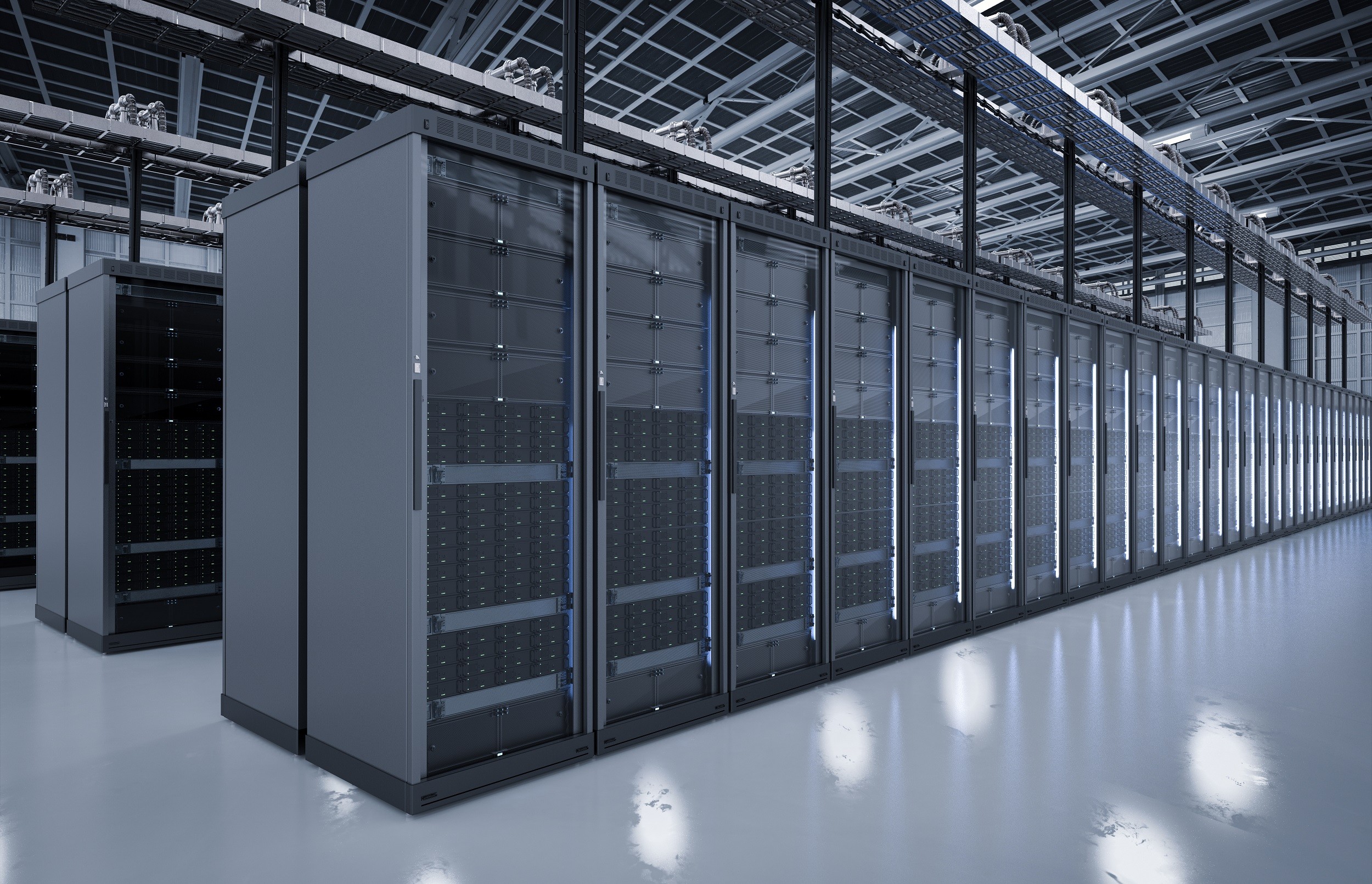
Why Data Centers Must Use LSZH Cables: Standards, Benefits & Applications (2026 Guide)
As data centers evolve to support AI, cloud computing, and hyperscale infrastructure, cable safety and reliability have become mission-critical.
In high-density environments filled with servers, power systems, and networking equipment, even a minor fire incident can escalate quickly—causing severe damage, downtime, and safety risks.
👉 This is why Low Smoke Zero Halogen (LSZH) cables are now widely specified as the standard for data center cable systems.
In this guide, we’ll break down:
What LSZH cables are
Why they are essential in data centers
Key international standards
Practical selection and application insights
What Is an LSZH Cable?
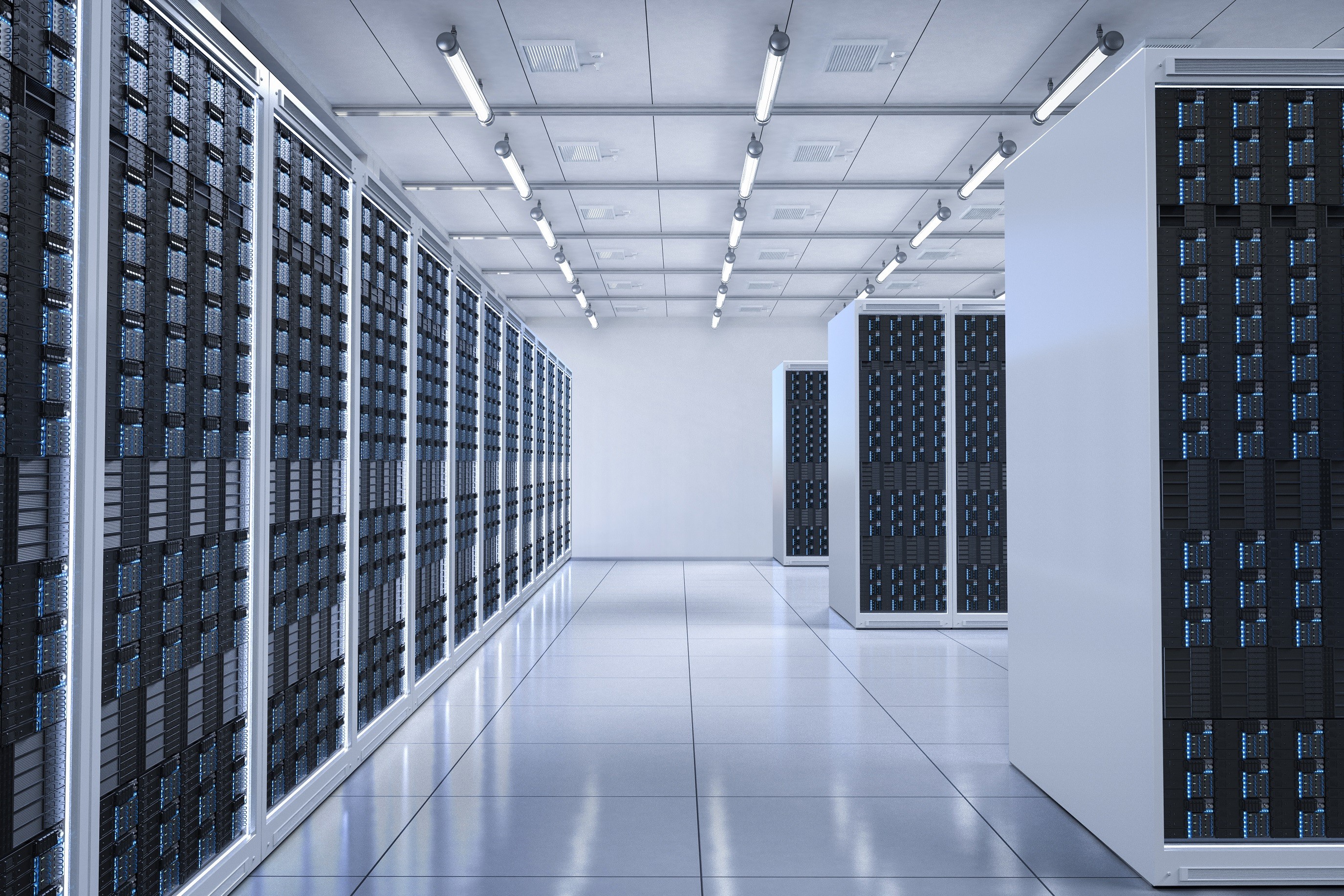
LSZH (Low Smoke Zero Halogen) cable is specifically engineered to minimize hazardous emissions during fire incidents, making it a critical choice for safety-sensitive environments.
Unlike traditional PVC-insulated cables, which can release dense smoke and corrosive gases when burned, LSZH cables use halogen-free compounds and advanced flame-retardant materials to significantly reduce these risks.
👉Compared to conventional cables, LSZH cables:
Produce very low smoke, helping maintain visibility during evacuation
Emit no halogen-based toxic gases, reducing harm to personnel
Generate minimal corrosive substances, protecting nearby equipment and infrastructure
LSZH vs PVC Cables | ||
Property | LSZH Cable | PVC Cable |
| Smoke Emission | Very low | High |
| Toxic Gas | None (halogen-free) | Releases harmful gases |
| Corrosiveness | Low | High |
| Fire Safety | Excellent | Limited |
👉 Conclusion: For mission-critical environments, LSZH is the safer choice.
Why Are LSZH Cables Essential for Data Centers?
1️⃣ Enhanced Fire Safety & Human Protection
Data centers typically feature:
Enclosed layouts
High cable density
Continuous human operation
In a fire scenario, traditional cables can release:
Thick smoke blocking visibility
Toxic gases (e.g., hydrogen chloride)
Corrosive fumes damaging lungs and equipment
👉 LSZH cables significantly reduce these risks, improving evacuation safety and emergency response.
2️⃣ Protection of High-Value Equipment
Data centers house critical assets such as:
Servers and storage systems
Networking hardware
Power distribution units
When PVC cables burn, they release acidic gases that can:
Corrode metal components
Damage circuit boards
Cause secondary system failures
👉 LSZH cables minimize corrosive emissions, protecting sensitive electronics and reducing recovery costs.
3️⃣ Compliance with Global Data Center Standards
Modern data center projects must meet strict fire safety regulations. LSZH cables are aligned with key international standards, including:
IEC 60332 – Flame retardancy
IEC 60754 – Halogen-free requirements
IEC 61034 – Smoke density
EN 50575 (CPR) – Fire classification for cables
👉 In Europe and high-spec projects, Cca and B2ca LSZH cables are commonly required.
4️⃣ Improved System Reliability & Uptime
Data centers operate under strict uptime requirements:
👉 24/7 continuous operation
Cable-related failures can result in:
Network outages
Data loss
Service interruptions
LSZH data center cables help by:
Reducing fire spread
Limiting damage scope
Enhancing overall system resilience
👉 This directly supports business continuity and SLA compliance.
Common LSZH Cable Applications in Data Centers
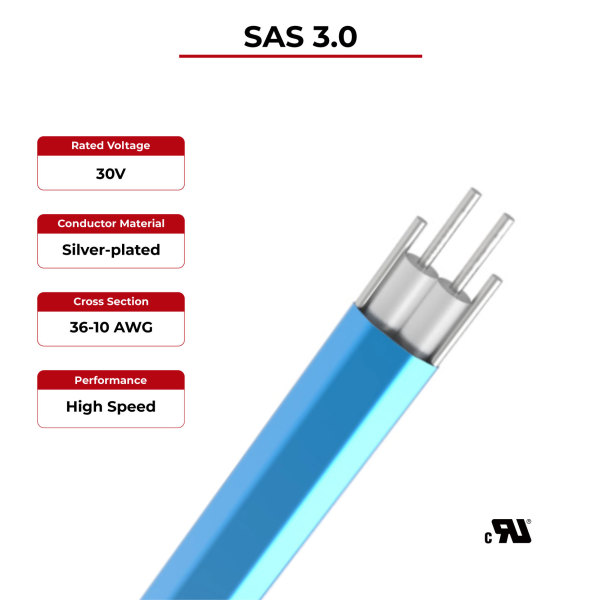
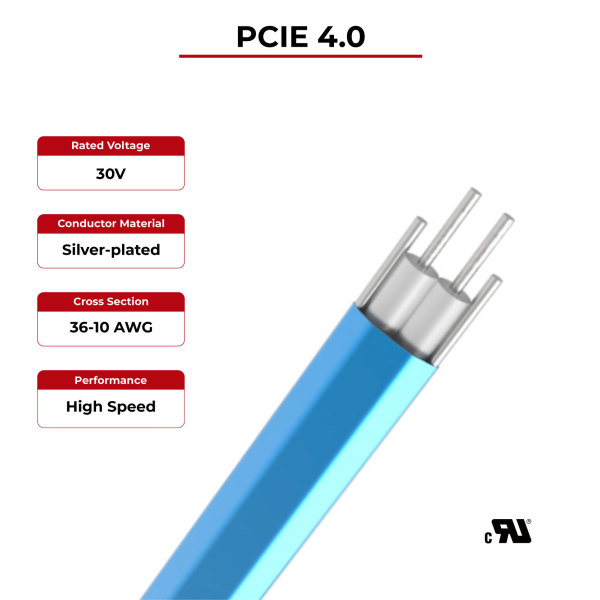
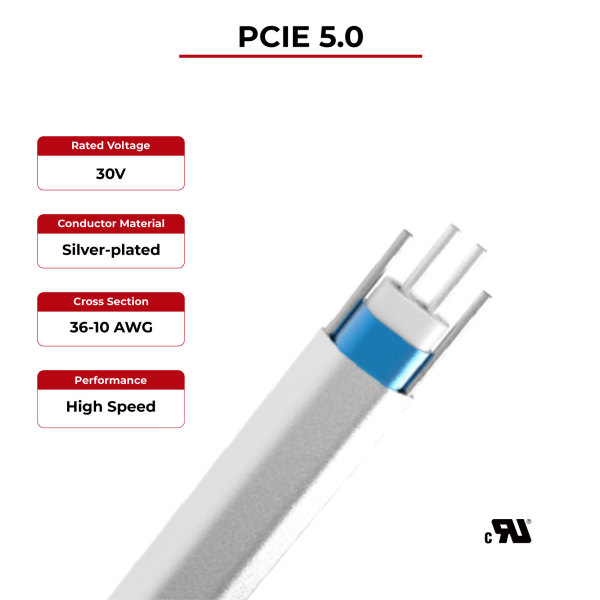
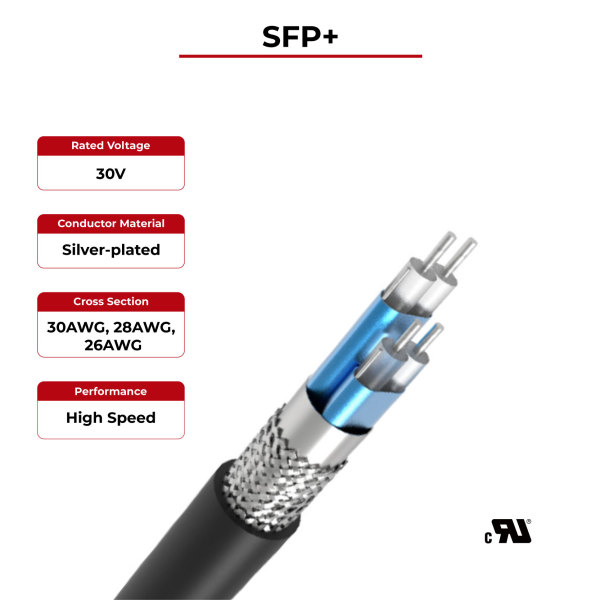
Conductor: 30AWG, 28AWG, 26AWG
Insulation: PE; Foam FEP/; Foam PE/PE
LSZH materials are widely used across multiple cable categories:
✔ Power Cables
Used for:
UPS systems
Power distribution units (PDU)
Main electrical infrastructure
✔ Control Cables
Applied in:
Monitoring systems
Automation controls
Environmental management
✔ Data & Communication Cables
Including:
Fiber optic cables (LSZH jacket)
Copper LAN cables (Cat6, Cat7, etc.)
👉 Many modern data centers now adopt full LSZH cabling systems.
Key LSZH Cable Standards Explained
🔹 Flame Retardancy (IEC 60332)
Prevents fire propagation along cables
Critical for cable trays and bundled installations
🔹 Halogen-Free Performance (IEC 60754)
Ensures no toxic halogen gases are released
Protects both people and equipment
🔹 Low Smoke Emission (IEC 61034)
Measures smoke density during combustion
Ensures better visibility during evacuation
🔹 CPR Fire Classification (EN 50575)
Common ratings:
B2ca – Better fire performance
Cca – Standard for data centers
Dca – Basic level
👉 Higher rating = better fire safety performance.
When it comes to high-performance LSZH solutions, SUNKEAN offers cables engineered specifically for demanding data center environments. Leveraging advanced Low Smoke Zero Halogen (LSZH) materials and precision manufacturing processes, SUNKEAN cables deliver exceptionally low smoke emission, superior flame retardancy, and minimal corrosive gas release in fire scenarios. In addition to safety performance, the cables are designed with optimized insulation structures and stable electrical characteristics, ensuring reliable power and data transmission under high-density operating conditions. With strict quality control systems and compliance with international standards such as IEC and CPR, SUNKEAN provides durable, compliant, and project-ready Low Smoke Zero Halogen cable solutions for modern data center infrastructure.
How to Choose the Right LSZH Data Center Cable
Selecting the right cable involves more than just “LSZH” labeling.
✔ 1. Fire Performance Level
Choose appropriate CPR class (Cca or B2ca depending on project requirements)
✔ 2. Electrical Performance
Ensure compliance with:
Voltage rating
Current capacity
Thermal performance
✔ 3. Installation Environment
Consider:
Cable routing (raised floor, trays, conduits)
Space constraints
Heat accumulation
✔ 4. Mechanical Strength
Important factors include:
Abrasion resistance
Flexibility
Compression resistance
👉 High-end data centers often require LSZH + high flame rating + reinforced structure.
Conclusion
LSZH cables are no longer a premium option—they are a necessity for modern data centers.
By adopting low smoke zero halogen cables, operators can:
✔ Improve fire safety
✔ Protect critical equipment
✔ Meet global compliance standards
✔ Ensure long-term system reliability
👉 For any data center, telecom facility, or mission-critical infrastructure, LSZH cables are the foundation of a safer and more resilient system.
SUNKEAN provides high-performance cables designed for solar, industrial, and infrastructure applications — with proven durability, customized solutions, and global project experience.
👉 Contact our team for technical consultation or product recommendations,
or simply send us your project requirements:
Email: sales@sunkean.com
Tel: +86 0510-81083036
WhatsApp: 17252867971