What Is the Difference Between Photovoltaic Cables and Ordinary Cables? Why TÜV Certification Matters
- Share
- Issue Time
- Jun 5,2026
Summary
Learn the key differences between solar cables and ordinary electrical cables, and discover why TÜV-certified solar cables are essential for safety, durability, and long-term PV system reliability.
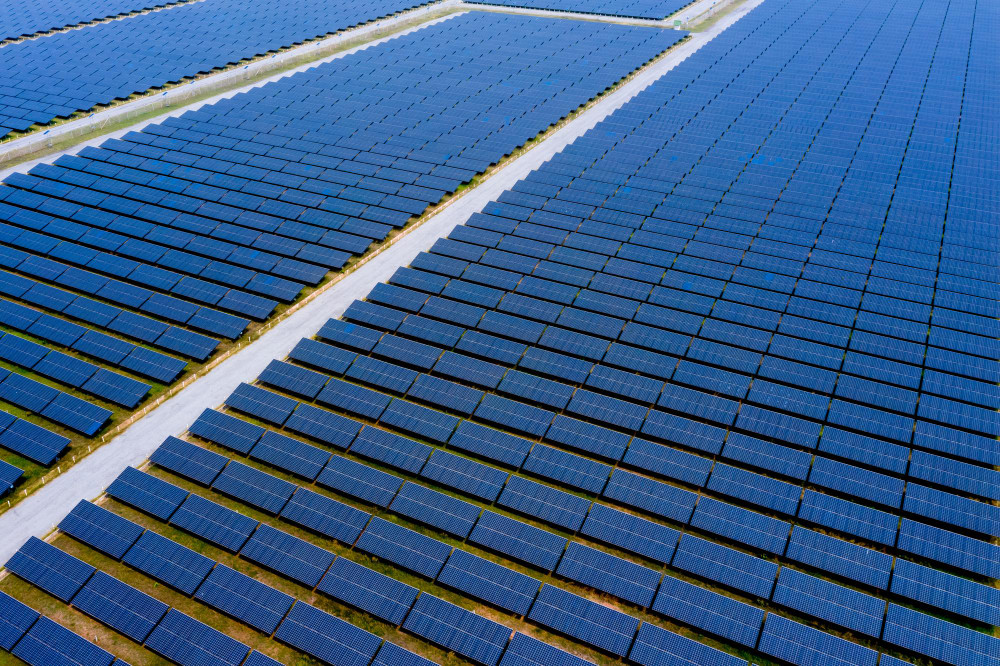
As global solar installations continue to grow, photovoltaic cable selection has become increasingly important for system safety, efficiency, and long-term reliability. However, many people still ask an important question: What is the real difference between photovoltaic cables and ordinary electrical cables?
At first glance, they may appear similar. Both transmit electrical power, and both are used in energy systems. But in actual photovoltaic applications, ordinary cables often cannot withstand the harsh environmental and operational conditions required by solar power systems. This is why professional photovoltaic cables — especially TÜV-certified solar cables — are essential for modern PV projects.
Photovoltaic Cables Operate in Much Harsher Environments
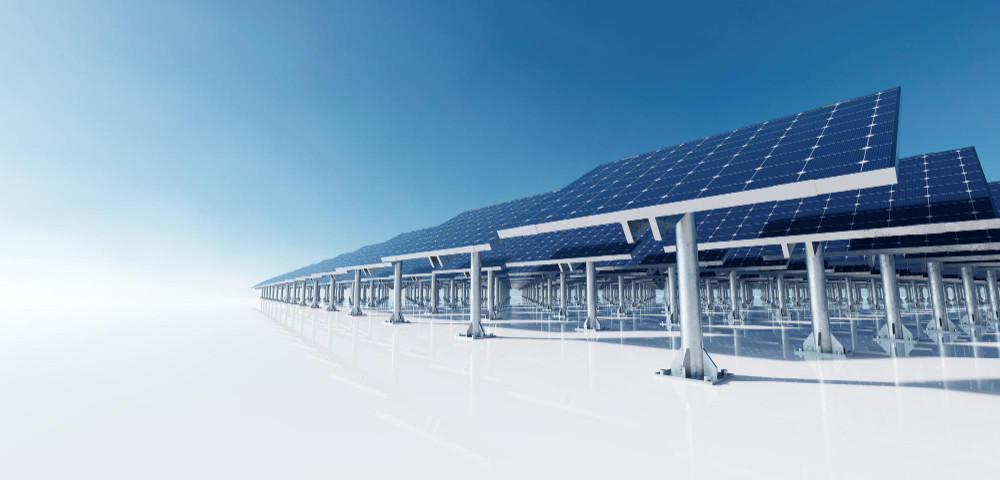
Unlike indoor electrical wiring, photovoltaic cables are typically installed outdoors for more than 25 years. They must continuously withstand:
· UV exposure
· High temperature
· Extreme cold
· Humidity and rain
· Ozone and chemical corrosion
· Mechanical stress
· Long-term DC voltage load
Ordinary cables are usually designed for general indoor or industrial electrical applications and may not provide sufficient weather resistance or long-term durability for solar systems. Without specialized materials and structural design, cable aging, cracking, insulation failure, and power loss can occur much faster in outdoor PV environments.
Photovoltaic Cables Require Better Temperature and UV Resistance
One of the biggest differences between photovoltaic cables and ordinary cables is insulation and sheath material performance. Professional solar cables are specifically engineered to maintain stable electrical and mechanical performance under continuous UV exposure and temperature fluctuations. High-quality photovoltaic cables typically provide:
· Excellent UV resistance
· High-temperature resistance
· Cold flexibility
· Flame retardancy
· Long service life
· Low smoke and halogen-free performance
These characteristics are critical for maintaining system safety and reducing long-term maintenance risk.
DC Applications Require Higher Reliability
Photovoltaic systems mainly operate under DC power conditions, which place higher demands on cable insulation and connection reliability. Compared with AC systems, DC arcs are more difficult to extinguish and can create greater fire risks if cable quality is insufficient.
Therefore, photovoltaic cables must provide:
· Stable insulation performance
· Reliable conductor structure
· Strong aging resistance
· Consistent electrical performance over long periods
Using ordinary cables in photovoltaic systems may increase the risk of overheating, insulation failure, and system downtime.
Why TÜV Certification Is So Important
In the global photovoltaic industry, TÜV certification is widely recognized as one of the most authoritative standards for solar cable quality and safety. TÜV-certified photovoltaic cables undergo rigorous testing for:
· UV resistance
· Ozone resistance
· Weather aging
· Flame retardancy
· Temperature performance
· Mechanical durability
· Electrical safety
For EPCs, developers, and project owners, TÜV certification provides confidence that the cable meets strict international requirements for long-term photovoltaic applications. In many European and international solar projects, TÜV-certified solar cables are considered a basic requirement.
TÜV-Certified Cables Help Reduce Long-Term Project Risk
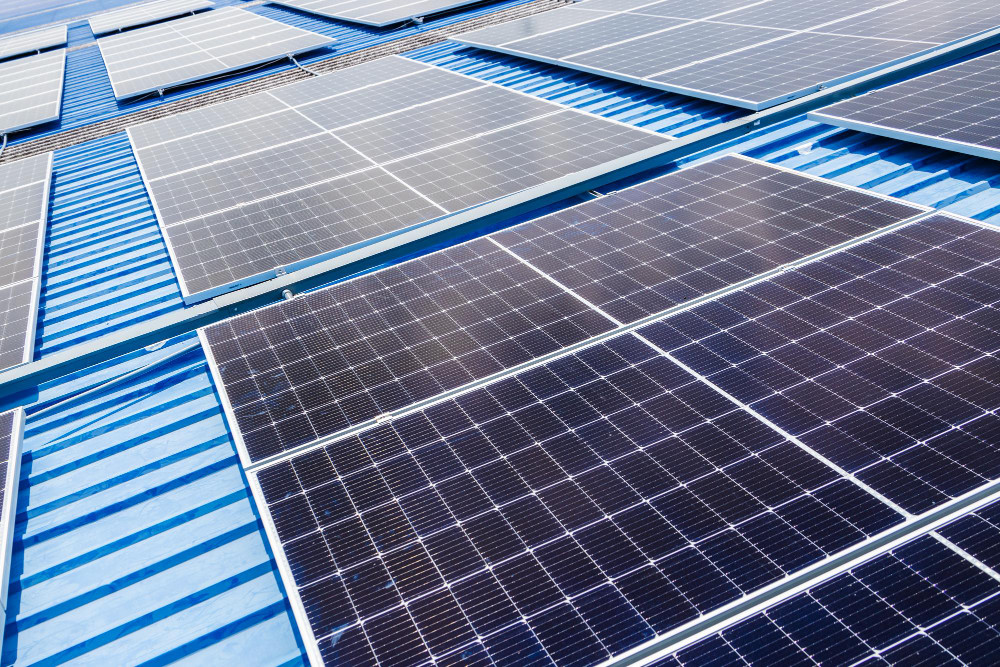
Although ordinary cables may appear cheaper initially, they often create higher long-term operational risks.
Cable failures in photovoltaic systems can lead to:
· Power generation loss
· Maintenance cost increase
· Fire safety risks
· System downtime
· Reduced project lifespan
Choosing TÜV-certified photovoltaic cables helps improve:
· System reliability
· Long-term energy efficiency
· Installation safety
· Project bankability
· Overall lifecycle cost performance
For utility-scale solar projects, cable reliability directly affects long-term return on investment.
Material and Manufacturing Quality Also Matter
Beyond certification itself, manufacturing capability plays a major role in photovoltaic cable performance. High-quality solar cables require:
· Stable conductor quality
· Precision extrusion control
· Consistent insulation thickness
· Strict quality inspection
· Reliable material selection
Advanced manufacturing equipment and online monitoring systems help ensure product consistency and long-term reliability across large-scale deployments.
SUNKEAN Photovoltaic Cable Solutions
As a professional cable and interconnection solution provider, SUNKEAN offers high-performance photovoltaic cable solutions designed for utility-scale solar, rooftop PV, energy storage, and integrated energy applications.
SUNKEAN photovoltaic cables feature:
· Excellent UV and weather resistance
· Reliable long-term outdoor performance
· Low-smoke halogen-free materials
· International certification compliance
· Stable electrical performance for demanding PV environments
Backed by advanced manufacturing capability, strict quality control, and international certifications including TÜV standards, SUNKEAN continues to support global renewable energy projects with safer and more reliable solar cable solutions.
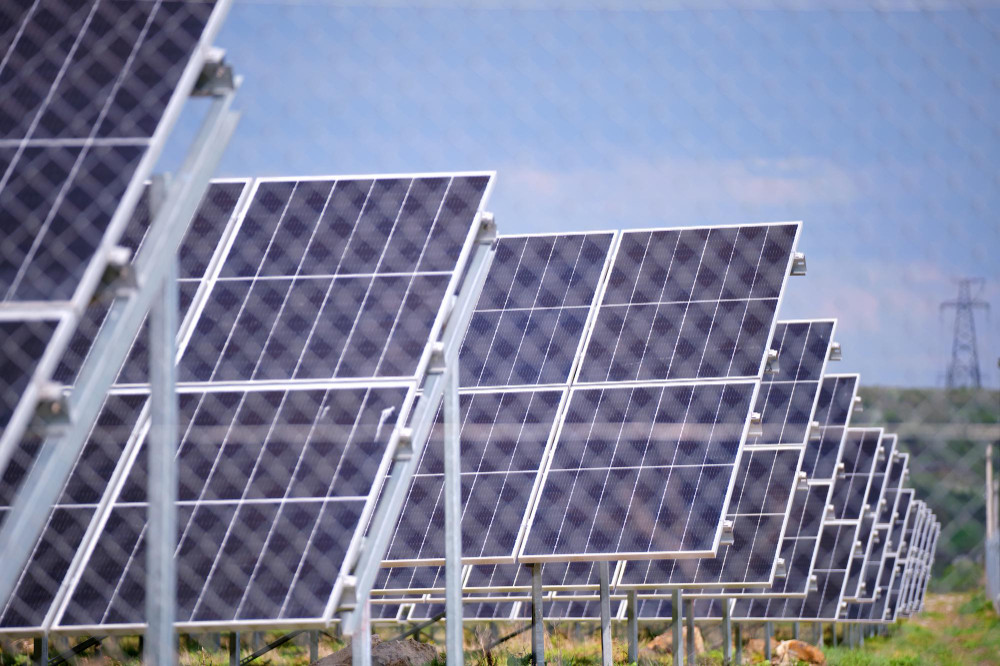
Photovoltaic cables are fundamentally different from ordinary electrical cables in terms of material design, environmental resistance, electrical reliability, and safety requirements. As solar systems continue to operate under increasingly demanding conditions, choosing TÜV-certified photovoltaic cables is not only a compliance requirement — it is also a critical investment in long-term system reliability and project performance.
For modern photovoltaic projects, cable quality is not just a component choice. It is a long-term reliability decision.
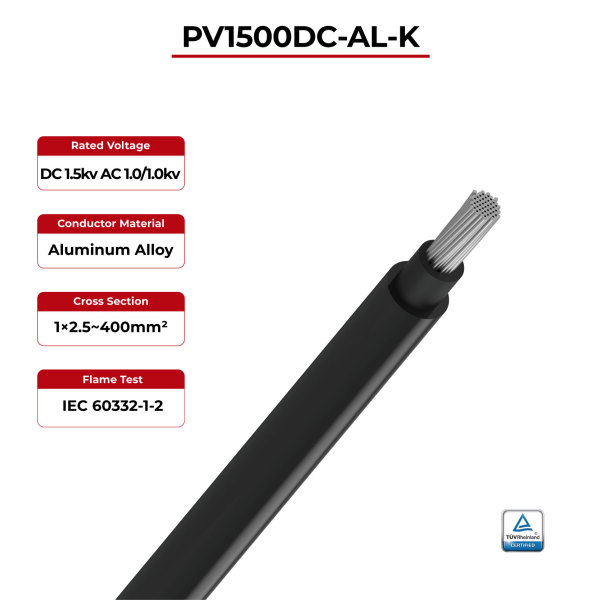
Conductor: 1×2.5~400mm²
Insulation Color: Black
Jacket Color: Black
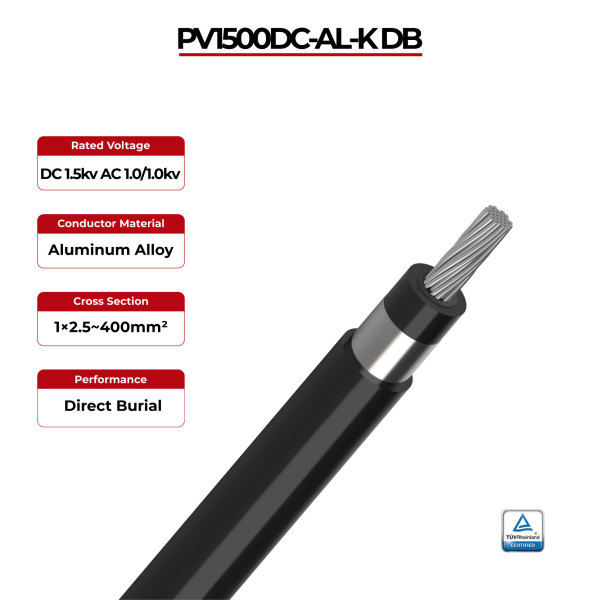
Conductor: 1×2.5~400mm²
Insulation Color: Black
Jacket Color: Black
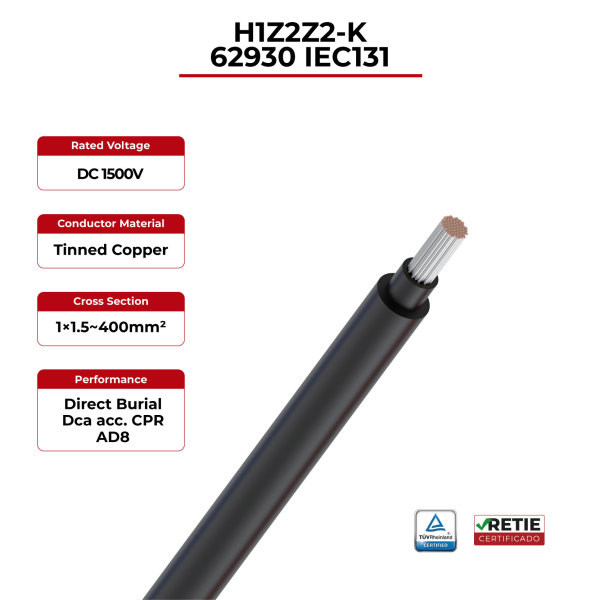
Conductor: 1×1.5~400mm²
Insulation Color: Optional color
Jacket Color: Optional color
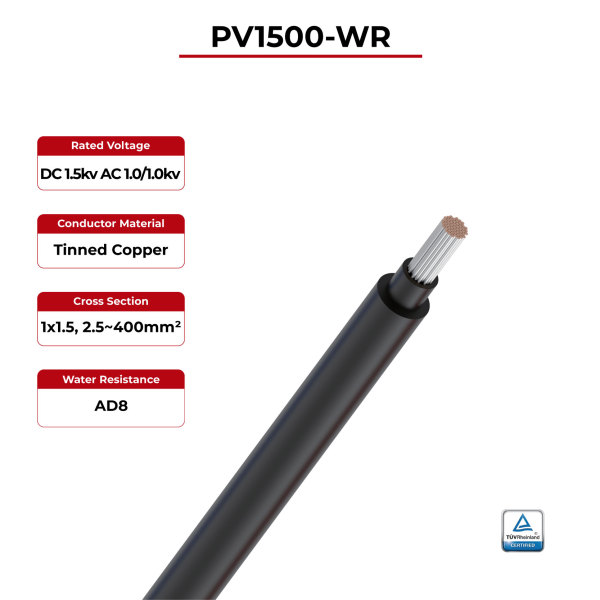
Conductor: 2.5~240mm²
Insulation Color: Black
Jacket Color: Black
Looking for reliable ev charging cable solutions for your project?
SUNKEAN provides high-performance cables designed for solar, industrial, and infrastructure applications — with proven durability, customized solutions, and global project experience.
👉 Contact our team for technical consultation or product recommendations,
or simply send us your project requirements:
Email: sales@sunkean.com
Tel: +86 0510-81083036
WhatsApp: 17252867971