What is Proper PV Wire Selection? Avoiding Energy Loss and Insulation Degradation
- Share
- Issue Time
- Apr 20,2026
Summary
The critical role of proper PV wire selection is paramount for the efficiency, safety, and longevity of any solar energy system.
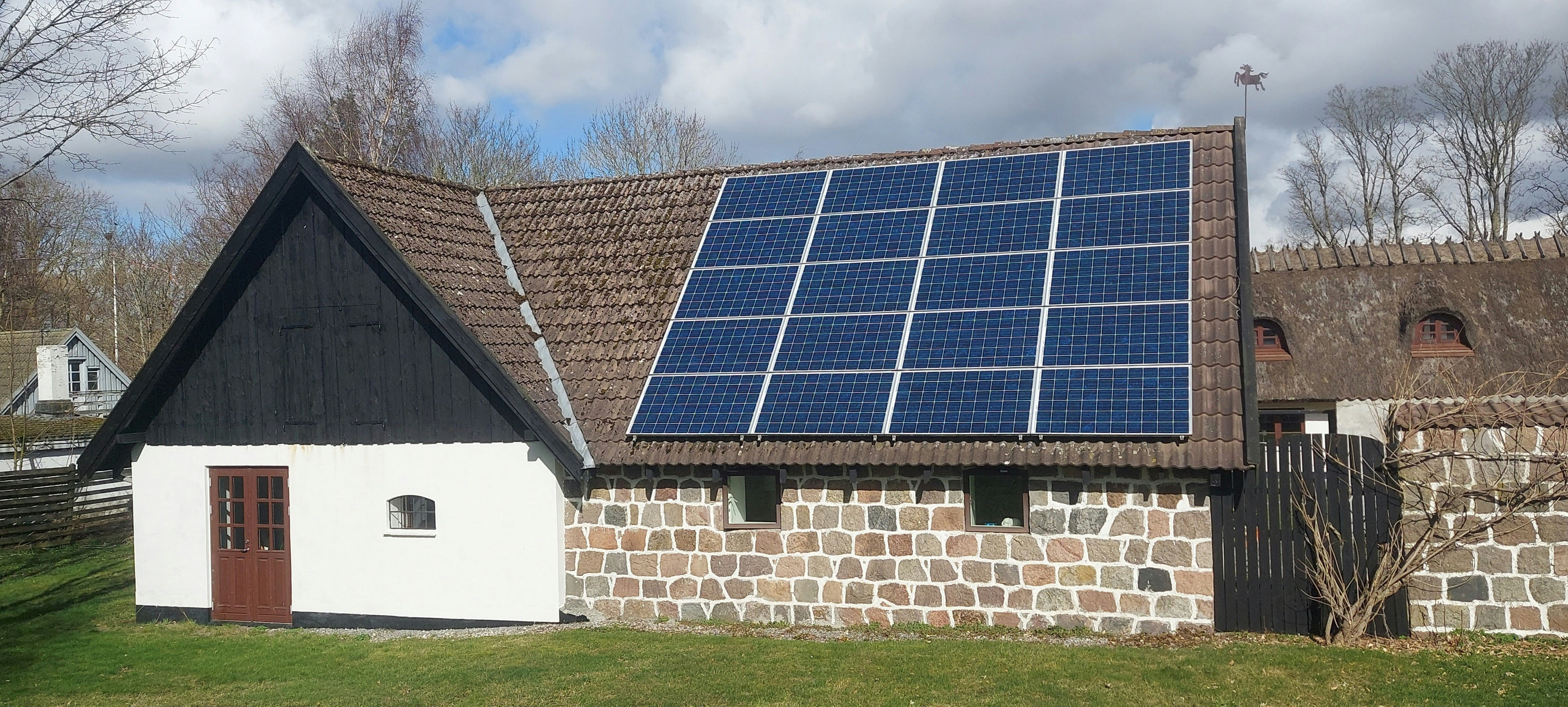
With the explosive growth of solar energy, the focus often falls on panels and inverters. However, the unsung heroes of any photovoltaic (PV) system are the wires that connect everything. Proper PV wire selection is far from a minor technicality; it is a critical decision that profoundly influences the system's efficiency, long-term safety, and overall lifespan. Choosing the correct wiring is your first line of defense against preventable energy loss and the dangerous degradation of insulation. This comprehensive guide will explore the essential factors and standards for selecting the right solar cables, empowering you to build a resilient, safe, and high-performing solar installation.
Key Takeaways
- Voltage and Current Ratings are Foundational: The voltage rating ensures the cable's insulation can withstand the system's maximum voltage, preventing electrical breakdown and ensuring safety. The current rating (ampacity) defines the maximum current a wire can carry without overheating, which is crucial for preventing insulation damage and fire hazards.
- Matching Ratings is Non-Negotiable: Using wires with mismatched voltage and current ratings can lead to severe consequences, including overheating, insulation melting, fire risks, and significant power loss. Proper sizing is key to maximizing power transfer efficiency.
- Environmental Factors Dictate Performance: Ambient temperature and installation conditions (e.g., in conduit, direct burial) significantly impact a cable's ability to dissipate heat. These factors require adjustments, known as derating, to the cable's current-carrying capacity to ensure safe operation.
- Conductor and Insulation Materials Matter: The choice between copper and aluminum conductors affects conductivity, size, and cost. Similarly, the insulation material (like XLPE or PVC) and its thickness determine the wire's durability, resistance to UV radiation, moisture, and extreme temperatures, directly impacting its voltage rating and lifespan.
- Adherence to Standards is a Must: Following industry standards like the National Electrical Code (NEC), IEC 60287, and others is essential for ensuring safety, compliance, and interoperability within the entire PV system. These standards provide a reliable framework for selecting and installing PV wiring.
- Application-Specific Wiring is Crucial: Different parts of a solar installation have unique wiring needs. Series connections increase voltage, while parallel connections increase current, requiring different cable considerations. Off-grid systems and battery storage integration also present specific challenges that demand careful wire selection to ensure efficiency and reliability.
The Fundamental Role of Voltage Ratings in PV Wire Selection
When planning a solar energy system, the voltage rating of the PV wire is a parameter of utmost importance. It's a direct indicator of the wire's safety and its ability to function correctly within the high-voltage environment of a solar array.
Understanding Maximum Potential Difference: What is a Voltage Rating?
A cable's voltage rating specifies the maximum continuous voltage it can safely handle without the risk of its insulation breaking down. This is not about the amount of power it can transmit, but rather the electrical pressure it can withstand. Every insulating material has a dielectric strength, or a breakdown voltage, a point at which it ceases to be an insulator and allows current to pass through it, which can cause short circuits or safety hazards.
In a solar PV system, the total voltage is determined by how the solar panels are connected. When panels are wired in a series string, their individual voltages add up. For instance, ten 30-volt panels in series create a system voltage of 300 volts. The PV wire selected must have a voltage rating that is safely above this calculated maximum system voltage. Common voltage ratings for PV wires include 600V, 1000V, 1500V, and 2000V. Choosing a cable with a rated voltage lower than the system's maximum operating voltage can lead to system failure and presents a significant safety risk.
Protecting Against Breakdown: How Voltage Impacts Cable Insulation and Safety
The primary role of a wire's insulation is to contain the electrical field surrounding the conductor and prevent the current from escaping. Higher voltage exerts greater electrical pressure on this insulation. If the system's voltage exceeds the cable's rating, it can overcome the insulation's dielectric strength, leading to a breakdown.
Consequences of insulation breakdown include:
- Short Circuits: If a compromised wire touches a grounded metal frame or another conductor, it can cause a short circuit, potentially damaging panels, inverters, and other equipment.
- Fire Hazards: An electrical arc from a breakdown can ignite nearby materials, creating a serious fire risk, especially on rooftops.
- Safety Risks: A damaged cable can energize the entire racking system or other components, posing a severe electric shock hazard to anyone who comes into contact with it.
Furthermore, environmental factors in solar installations, such as high temperatures on a roof, can accelerate the degradation of insulation. High heat can reduce the insulation's resistivity, making it more susceptible to breakdown at a given voltage. Therefore, selecting PV wire with robust insulation designed for high temperatures and UV exposure is as crucial as matching the voltage rating.
Industry Benchmarks: Key Standards for Voltage Ratings in Solar Cable Selection (e.g., IEEE 835, NEMA WC 74)
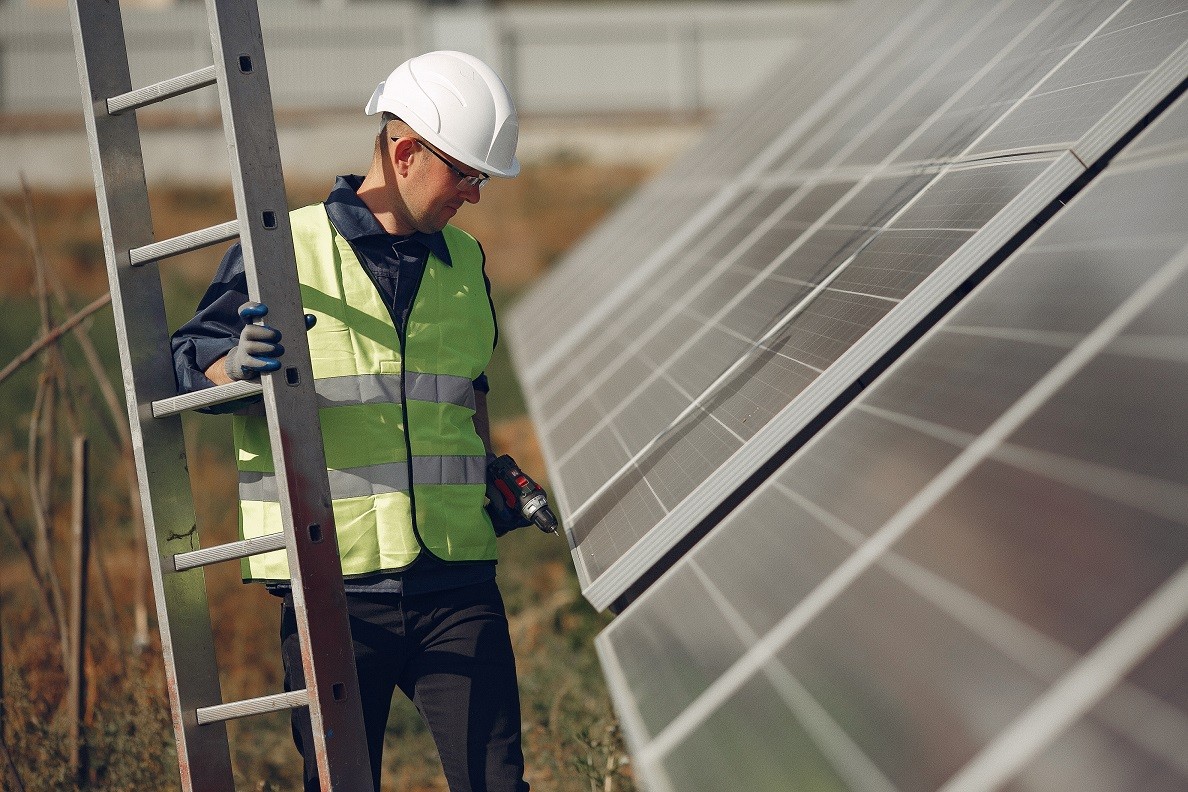
To ensure safety and reliability, the solar industry relies on several key standards that dictate the requirements for PV wire. Adhering to these standards ensures that the selected cable has been tested and certified for the harsh conditions of a solar installation.
- UL 4703: This is the primary standard in the United States for PV wire. It certifies that the wire is suitable for use in grounded and ungrounded photovoltaic systems. Wires listed under UL 4703 are tested for sunlight resistance, temperature extremes (-40°C to 90°C or higher), and have voltage ratings of 600V, 1000V, or 2000V.
- EN 50618: This is the European standard for solar cables, often found on products in the global market. It sets rigorous requirements for durability, temperature resistance, and a long lifespan (estimated at 25 years). Cables certified to this standard are marked "H1Z2Z2-K".
- National Electrical Code (NEC) Article 690: In the U.S., the NEC provides the foundational guidelines for the safe installation of all electrical systems, including solar PV systems. Article 690 specifically covers the requirements for PV system wiring, including allowable conductor types, installation methods, and how to manage exposed cables.
While standards like IEEE 835 (Standard for Power Cable Ampacity Tables) and NEMA WC 74 (5-40 kV Shielded Power Cable for Use in the Transmission and Distribution of Electric Energy) are critical for medium and high-voltage power distribution, the most directly applicable standards for the cables connecting solar panels are UL 4703 and NEC Article 690. Always ensure your chosen PV wire is explicitly listed and certified under these solar-specific standards to guarantee safety and code compliance.
Decoding Current Ratings for Optimal Solar Cable Selection and Performance
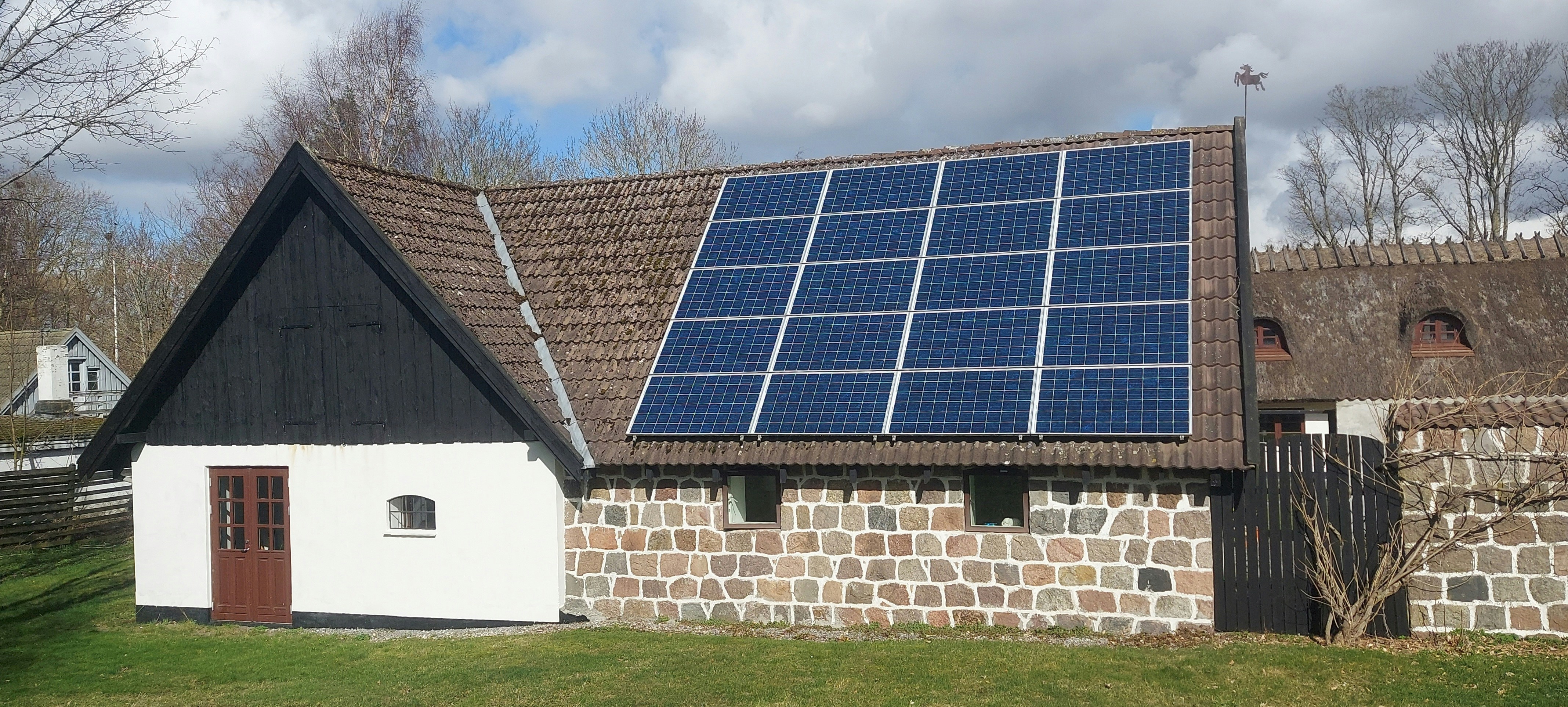
Just as important as voltage rating, the current rating of a PV wire is a critical factor for ensuring both the performance and safety of a solar installation. While voltage is about electrical pressure, current relates to the flow of electricity itself.
Defining Continuous Current Capacity: What Exactly is a Current Rating?
The current rating, also known as ampacity, defines the maximum amount of electrical current (measured in amperes or amps) that a conductor can continuously carry without exceeding its maximum temperature rating. Every wire has some internal resistance. As current flows through this resistance, it generates heat—a phenomenon known as Joule heating. The ampacity of a wire is determined by how effectively it can dissipate this heat into the surrounding environment to prevent its temperature from rising to a dangerous level that could damage the insulation.
This rating is not a single, fixed number. It is influenced by several factors, including:
- Conductor Size (Gauge): A thicker wire (lower American Wire Gauge or AWG number) has less resistance and a larger surface area, allowing it to carry more current safely.
- Conductor Material: Copper is more conductive than aluminum, meaning a copper wire can typically carry more current than an aluminum wire of the same size.
- Insulation Temperature Rating: The maximum allowable temperature of the wire is dictated by its insulation material (e.g., 90°C, 105°C).
- Ambient Temperature: A wire in a hotter environment cannot dissipate heat as effectively, which reduces its effective ampacity.
- Installation Conditions: Wires bundled together or placed in a conduit cannot dissipate heat as well as a single wire in open air, which also lowers their ampacity.
Heat Generation and Voltage Drop: The Impact of Current on Cable Performance
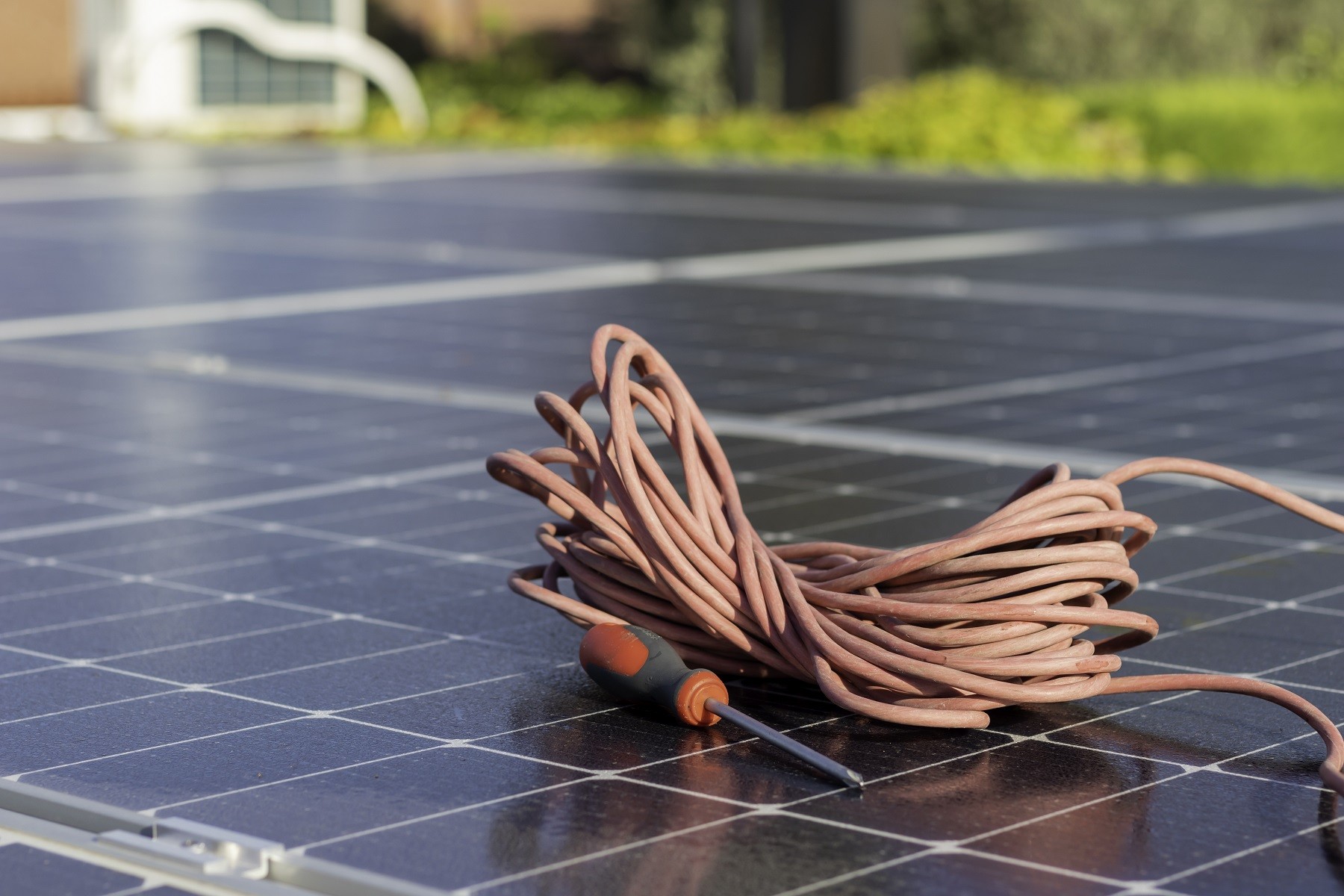
The flow of current through a wire has two primary consequences that directly impact system performance: heat generation and voltage drop.
1. Heat Generation: As explained by the principle of Joule heating, the heat produced in a wire is proportional to the square of the current (P = I²R). This means that even a small increase in current can lead to a significant increase in heat. If the current exceeds the wire's ampacity, the heat generated can overwhelm the wire's ability to cool itself. This excessive heat is the primary cause of insulation degradation. Over time, the insulation can become brittle, crack, or even melt, exposing the live conductor and creating a severe risk of short circuits and fire. One of the main reasons for using thicker, properly sized cables is to minimize this heat buildup.
2. Voltage Drop: According to Ohm's Law (V = IR), as current (I) flows through the natural resistance (R) of a cable, it causes a loss of voltage (V), known as voltage drop. This means the voltage arriving at the inverter or charge controller will be lower than the voltage produced at the solar panels. While some voltage drop is unavoidable, excessive drop is a direct loss of power (P = VI). A 3% voltage drop means 3% of the power generated by your panels is lost as heat in the wires before it can be used or stored. For long cable runs, which are common in larger solar installations, voltage drop can become a major source of inefficiency. To combat this, installers must often use a larger gauge wire than what is required for ampacity alone to keep resistance low and minimize power loss.
Guidelines for Safe Operation: Essential Industry Standards for Current Ratings (e.g., IEC 60287, NEC Article 310)
To standardize safe practices and ensure system reliability, a clear set of industry standards governs the calculation and application of current ratings for PV wires.
NEC Article 310: This is the cornerstone of the U.S. National Electrical Code for determining ampacity. Article 310 provides extensive tables (such as Table 310.16) that specify the allowable ampacities for different wire sizes, conductor materials (copper/aluminum), and insulation temperature ratings under defined conditions. Crucially, it also provides the necessary "correction factors" for ambient temperature and "adjustment factors" for when multiple current-carrying conductors are bundled in a raceway or cable. For solar installations, these factors must be applied to derate the cable's baseline ampacity and ensure it operates safely in real-world conditions.
IEC 60287: This is the international standard used for calculating a cable's current rating. Unlike the NEC's tabular approach, IEC 60287 provides a set of detailed physics-based formulas to determine ampacity by balancing heat generation with heat dissipation. It takes into account the conductor's resistance, dielectric losses, and the thermal resistance of the cable's layers and its surrounding environment (e.g., in air, buried in soil). While more complex, this method allows for a highly precise calculation tailored to specific cable constructions and installation scenarios. It is the basis for many of the tabulated values found in national codes.
By strictly adhering to the guidelines and tables in NEC Article 310 or performing calculations according to IEC 60287, installers can confidently select a wire size that will not only handle the system's maximum current but will do so without overheating or introducing excessive power loss, ensuring a safe and efficient PV system.
The Crucial Synergy: Why Matching Voltage and Current Ratings is Essential for Solar Wire Selection
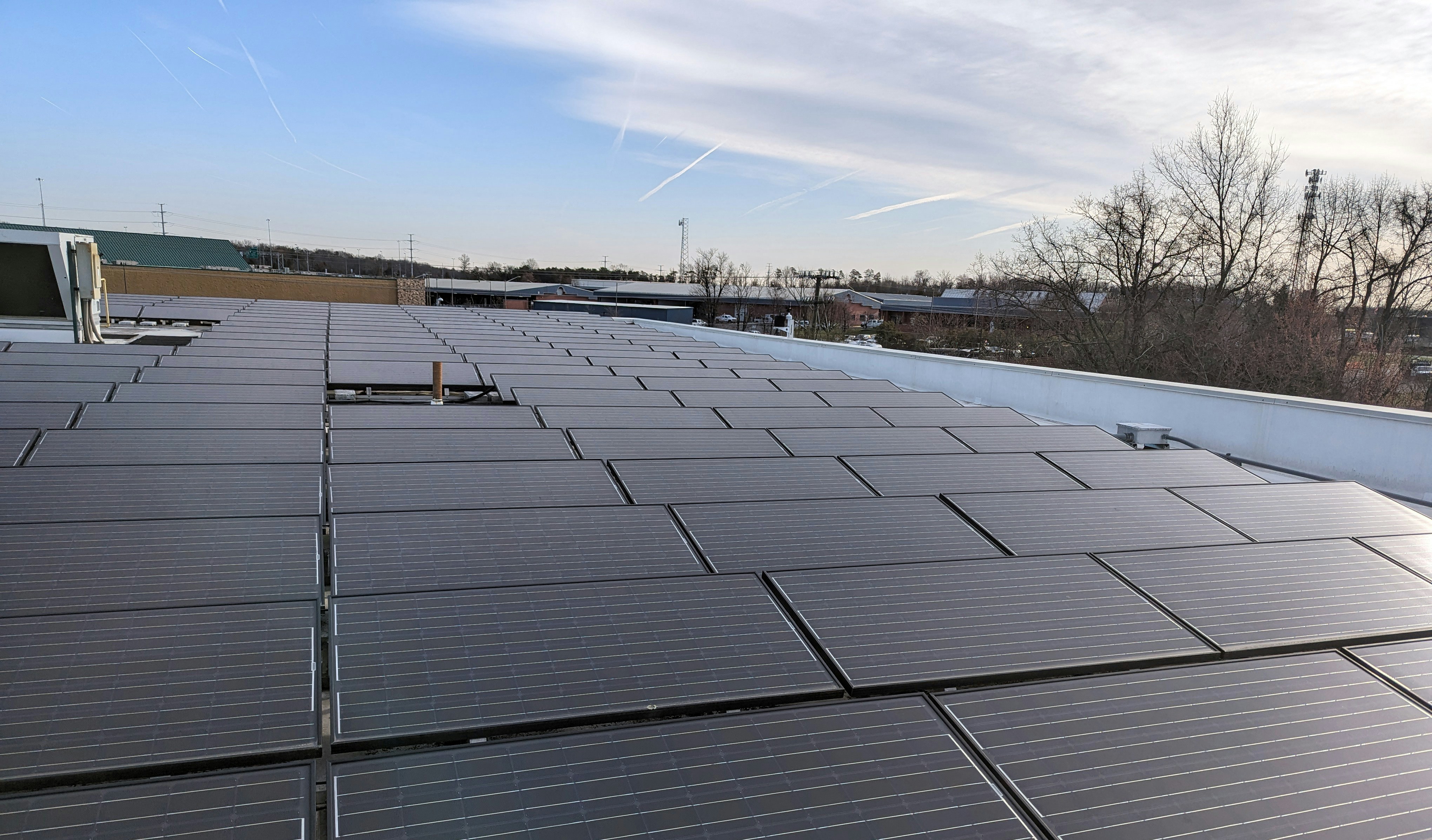
Selecting PV wire isn't a matter of choosing a cable that fits the voltage and another that fits the current. The two ratings are intrinsically linked and must be considered together to create a safe, efficient, and durable system. Treating them as separate issues can lead to dangerous failures and significant performance losses.
Preventing Overheating and Insulation Degradation: Consequences of Mismatched Ratings
The most severe consequences of mismatched ratings arise when a wire's current rating (ampacity) is insufficient for the electrical load, even if the voltage rating is correct.
Imagine a scenario where a wire is properly rated for 1000V, matching the system's maximum voltage. However, it is undersized for the current, perhaps rated for only 15 amps when the system can produce 25 amps. Here’s what happens:
- Excessive Heat Buildup: The 25 amps of current forced through the smaller wire creates resistance and generates heat far beyond what the wire was designed to dissipate.
- Insulation Breakdown: This intense heat attacks the wire's insulation. The 1000V-rated insulation, while robust against electrical pressure, is not immune to thermal damage. It will soften, become brittle, and eventually melt or crack.
- Catastrophic Failure: Once the insulation is compromised, the high-voltage conductor is exposed. This can lead to a direct short circuit if it touches a grounded component, creating an electrical arc and a significant fire hazard. The uneven load can also cause localized heating at connection points, increasing the risk of faults.
Conversely, using a wire with an adequate current rating but an insufficient voltage rating is equally dangerous. A 30-amp rated cable with only 300V insulation used in a 600V system is a ticking time bomb. The insulation is not thick or resilient enough to withstand the 600V of electrical pressure and is susceptible to dielectric breakdown, which can cause arcing, short circuits, and fires.
Maximizing Power Transfer Efficiency: Optimizing Cable Sizing for PV Systems
Beyond safety, proper cable sizing is about maximizing your return on investment by ensuring the power generated by your panels actually reaches the inverter. This is a battle against voltage drop and power loss.
As established, power loss in a wire is calculated by P_loss = I²R, where 'I' is the current and 'R' is the resistance of the wire. The resistance is determined by the wire's material, length, and cross-sectional area (its gauge).
Consider two options for a 100-foot cable run carrying 20 amps:
- Option A: 10 AWG Copper Wire: This wire has a resistance of roughly 0.1 ohms for the 100-foot run. The power loss would be (20A)² * 0.1Ω = 40 watts.
- Option B: 6 AWG Copper Wire: This thicker wire has a lower resistance, about 0.04 ohms for the same run. The power loss would be (20A)² * 0.04Ω = 16 watts.
By choosing the thicker (6 AWG) wire, you save 24 watts continuously whenever the system is producing 20 amps. Over the 25-plus-year lifespan of a solar installation, this seemingly small difference adds up to a significant amount of recovered energy. Optimal cable sizing, therefore, is a careful balance. Installers aim to keep the total voltage drop in the system, from panels to inverter, below a target threshold, typically 2-3%. To achieve this, especially over long distances, it is often necessary to "upsize" the cable to a gauge thicker than the minimum required by ampacity rules alone. This initial investment in more copper pays for itself through increased energy harvest.
Ensuring System Harmony: Compatibility Across Generators, Transformers, and Loads
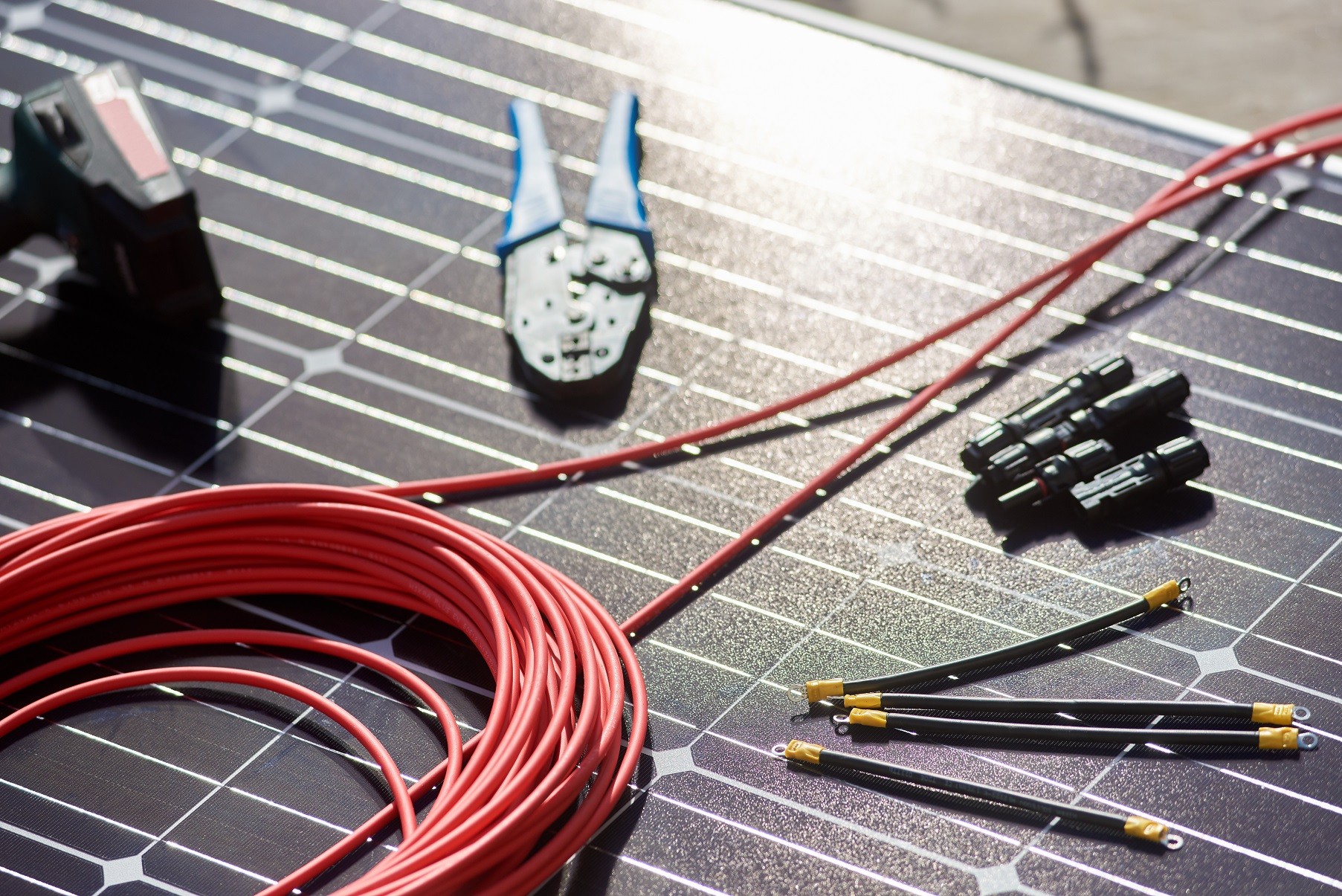
A solar power system is an ecosystem of interconnected components. The harmony of this system depends on the electrical compatibility of every part, from the source of generation to the final load. The wiring is the crucial conduit that ties everything together.
- Generators (Solar Array): The solar array's voltage (determined by series connections) and current (determined by parallel connections) dictate the fundamental requirements for the wiring.
- Inverters and Charge Controllers: These devices have specific input voltage and current limits. The wiring must be sized to deliver power within these operational windows. Excessive voltage drop from undersized wires can cause the voltage to fall below the inverter's minimum operating threshold, causing it to shut down or operate inefficiently.
- Transformers and Loads: On the AC side of the system, wires must be appropriately sized to handle the current demanded by transformers and the building's electrical loads without overheating or causing voltage sags that could affect appliance performance.
- Connectors: It's not just the wires, but the connectors too. Using mismatched connector brands (even if they seem to click together) can create high-resistance points. This is a known cause of power loss and even fires. The National Electrical Code now requires that connectors from different manufacturers be specifically listed for intermateability to be used together.
Ultimately, proper wire selection ensures that each component receives the voltage and current it was designed for, allowing the entire system to operate as a unified, efficient, and safe power plant.
Key Determinants for Strategic PV Wire Selection: Beyond Basic Ratings
Achieving a truly optimized and safe PV system requires looking beyond the headline voltage and current numbers. A host of interconnected factors determines a wire's real-world performance. These attributes, from the conductor's composition to the environment it's installed in, must be strategically considered for a resilient and efficient solar installation.
Conductor Attributes: The Impact of Size and Material on Current Carrying Capacity
The heart of any PV wire is its conductor, and its fundamental properties—size and material—are the primary drivers of its current carrying capacity, or ampacity.
Conductor Size (Gauge): Wires are sized using the American Wire Gauge (AWG) system, where a smaller AWG number corresponds to a larger conductor diameter. The physics are straightforward: a thicker wire has a lower internal resistance. This has two major benefits:
- Higher Ampacity: With less resistance, a larger wire generates less heat for a given amount of current, allowing it to carry more current safely without exceeding its temperature limits.
- Lower Voltage Drop: Less resistance also means less energy is lost as heat over a given distance, resulting in a smaller voltage drop and more power delivered to the inverter. Upgrading from a 10 AWG wire to an 8 AWG wire can significantly reduce power loss, especially on long runs.
Conductor Material: The two primary materials used for electrical conductors are copper and aluminum.
- Copper: Copper is the premium choice due to its superior electrical conductivity. For the same physical size, a copper wire can carry more current than an aluminum one. It is also more flexible, stronger, and less prone to oxidation at connection points, making it the standard for most residential and commercial PV wiring.
- Aluminum: Aluminum's main advantage is its lower cost and lighter weight, making it a viable option for very large-gauge wires used in utility-scale projects or long feeder runs where cost is a major factor. However, because it is less conductive, an aluminum wire must be larger in diameter than a copper wire to achieve the same ampacity. It also requires special installation techniques to prevent oxidation at terminals, which can create high-resistance- and hazardous-connection points.
Frequently Asked Questions (FAQ)
1. What happens if I use the wrong size PV wire?
Using an undersized PV wire (a wire that is too thin for the current it needs to carry) is dangerous and inefficient. It leads to several problems:
- Overheating: The wire's higher resistance will cause it to heat up significantly, which can melt the insulation, creating a severe fire hazard.
- Voltage Drop: You will lose a significant amount of the power your panels generate as heat in the wires before it even reaches your inverter. This makes your system much less efficient.
- Equipment Damage: Low voltage from excessive drop can cause inverters and charge controllers to malfunction or operate outside their optimal range, potentially shortening their lifespan.
2. Can I use regular house wire (like THHN) for my solar panels?
While THHN wire is commonly used for AC wiring inside buildings, it is generally not suitable for exposed outdoor use in a PV array. Solar-specific "PV wire" (rated under UL 4703) has much thicker, more durable insulation (often XLPE) that is specifically designed to withstand decades of intense UV sunlight, extreme temperatures, and moisture without degrading. Using standard THHN wire for the exposed DC connections between panels is a code violation and will lead to rapid insulation breakdown and unsafe conditions.
3. How do I calculate the right voltage drop for my solar system?
To calculate voltage drop, you need to know three things: the maximum current of the circuit (in Amps), the total length of the cable run (round trip), and the resistance of the wire (which depends on its gauge and material). The formula is Voltage Drop = Current × Resistance.
However, the easiest way is to use an online voltage drop calculator. You input the system voltage, power or amperage, wire gauge, and distance, and it will tell you the expected voltage drop percentage. For PV systems, it is best practice to keep the voltage drop in the DC wiring between the panels and the inverter below 2-3% to ensure high efficiency.
4. What's more important for PV wire: the voltage rating or the current rating?
Both are equally critical, and they must be considered together.
- The Voltage Rating ensures the wire's insulation is strong enough to prevent electrical arcing and breakdown from the system's electrical "pressure."
- The Current Rating (Ampacity) ensures the wire's conductor is thick enough to carry the electrical flow without overheating and melting the insulation. A failure in either rating leads to an unsafe system. You must select a wire that satisfies both the maximum system voltage and the maximum calculated current, including all necessary safety factors and deratings.
5. Why are solar cables so much more expensive than regular electrical wire?
Solar cables cost more due to their specialized construction designed for extreme durability. The higher price accounts for:
- Advanced Insulation: They use robust materials like cross-linked polyethylene (XLPE) that are UV-resistant, flame-retardant, and can handle a very wide temperature range (-40°C to +90°C or more).
- Tinned Copper Conductors: The individual copper strands are often tinned (coated with solder), which provides excellent corrosion resistance, ensuring a reliable connection for over 25 years.
- Certifications and Testing: PV wire must undergo rigorous testing to meet stringent safety standards like UL 4703, which adds to the manufacturing cost. This ensures the wire can safely last the entire lifespan of the solar power system.
Conclusion
In conclusion, diligent and informed solar cable selection is a cornerstone of any safe, efficient, and long-lasting solar energy system. The process goes far beyond simply picking a wire; it requires a careful consideration of voltage ratings to prevent insulation breakdown, current ratings to avoid overheating, and the significant impact of environmental factors like heat and installation methods. By strictly adhering to industry standards such as the NEC and understanding the complex interplay between these elements, system designers and installers can effectively mitigate the serious risks of energy loss, insulation degradation, and catastrophic operational failures. Ultimately, investing the time and resources into proper PV wire selection is an investment in the resilience and high performance of the entire solar installation, ensuring it delivers clean, sustainable energy reliably for many years to come. We encourage you to share this guide to promote safer and more effective solar installations everywhere.