
Designed to Solve Real Project Challenges
Faster Installation
Optimized Project Costs
Reliable Long-term Performance
Flexible Project Customization
One Complete DC Collection Solution
From PV strings to inverter connections, SUNKEAN provides a complete factory-engineered DC collection solution for utility-scale solar plants.
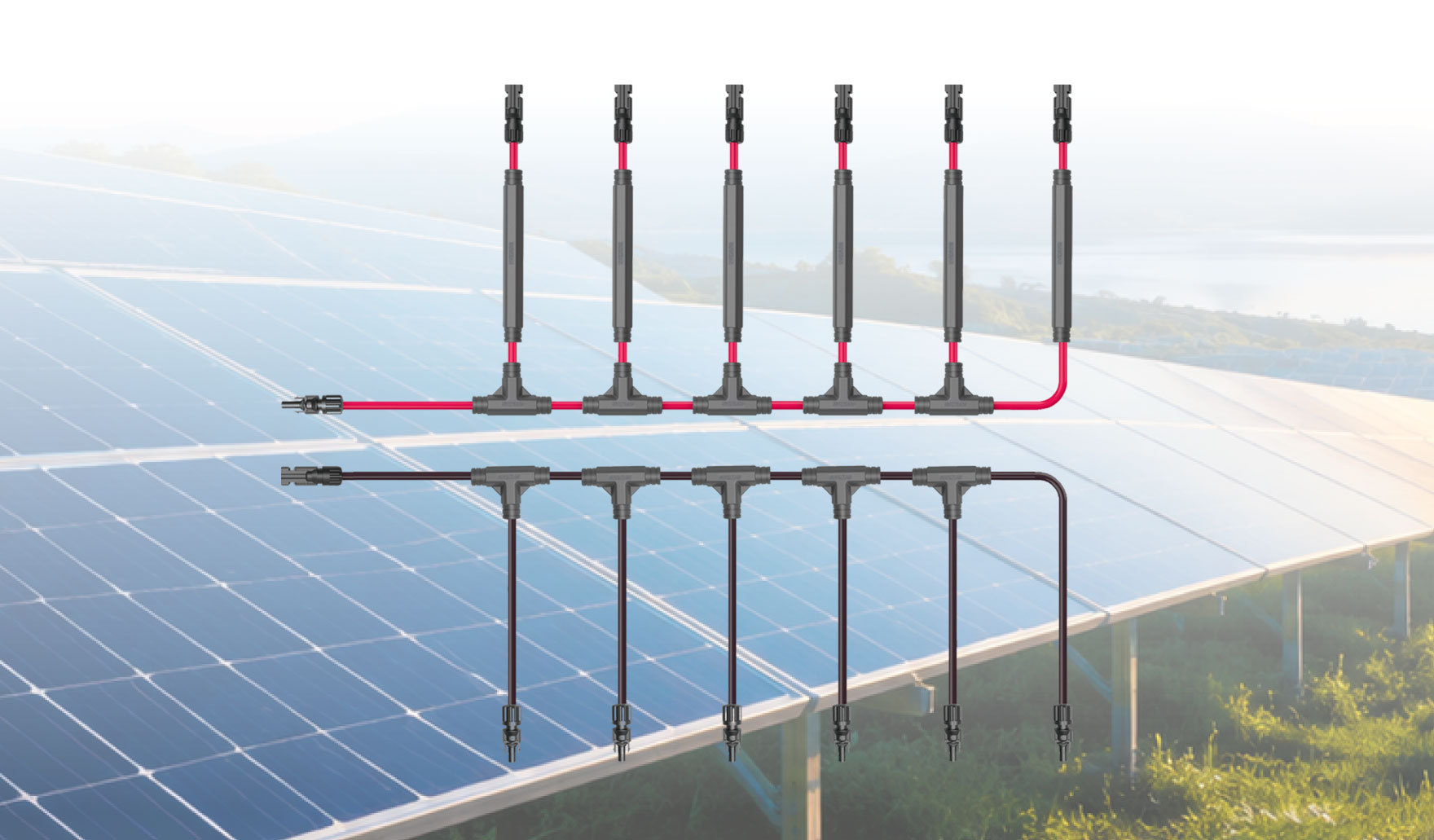
Utility-scale PV Wiring Harness
Factory-assembled wiring harnesses that reduce field wiring, improve installation consistency, and optimize project costs for utility-scale PV plants.
- Pre-assembled
- Faster Installation
- Reduced Field Labor
- Consistent Quality
- Flexible Customization
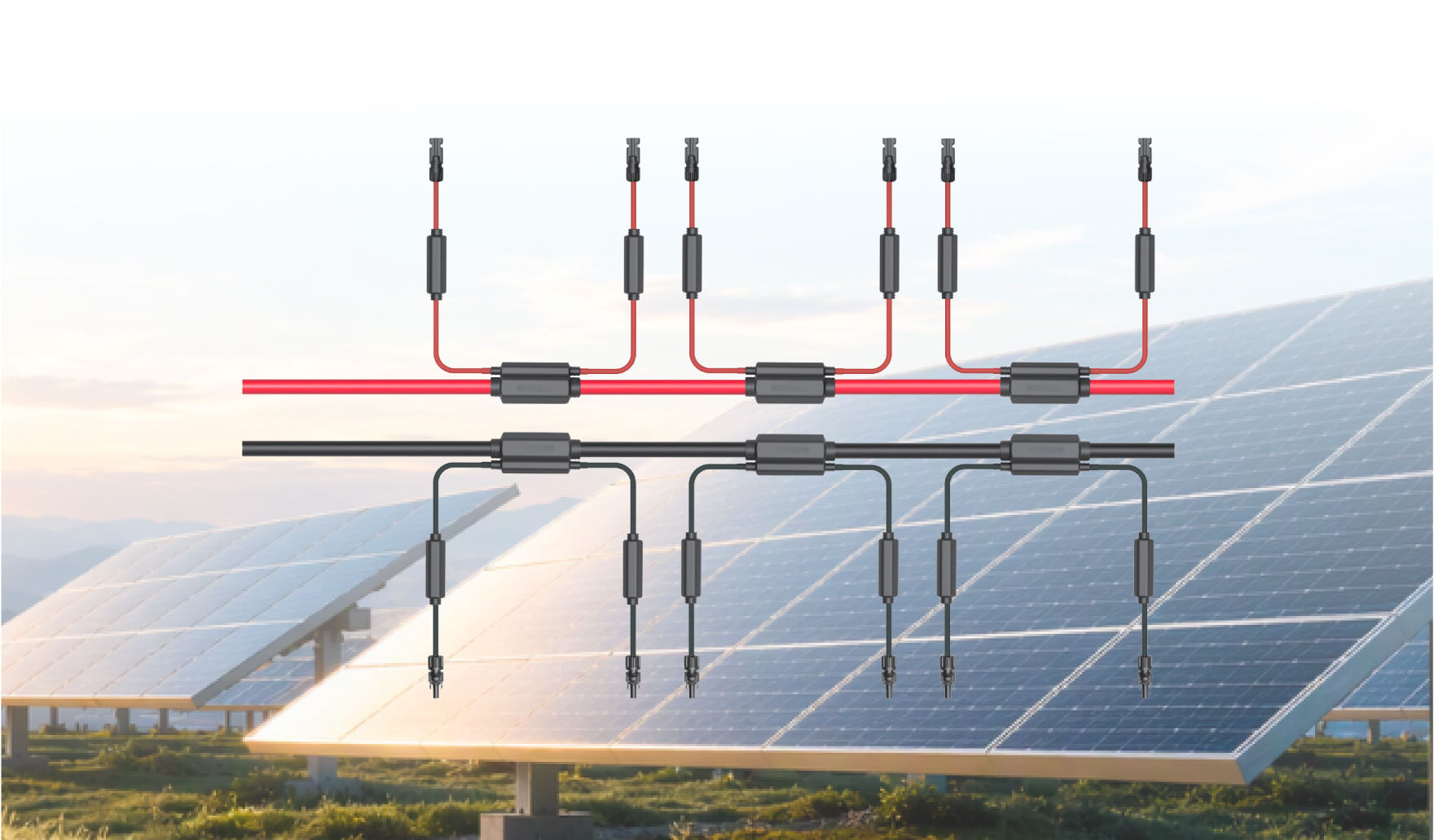
Trunk System™
Modular trunk systems simplify DC power collection with flexible layouts, fewer cable runs, and dependable long-term performance.
- Modular Design
- Simplified Cable Routing
- High-current Capacity
- Reliable Operation
Why SUNKEAN
Customized engineering support
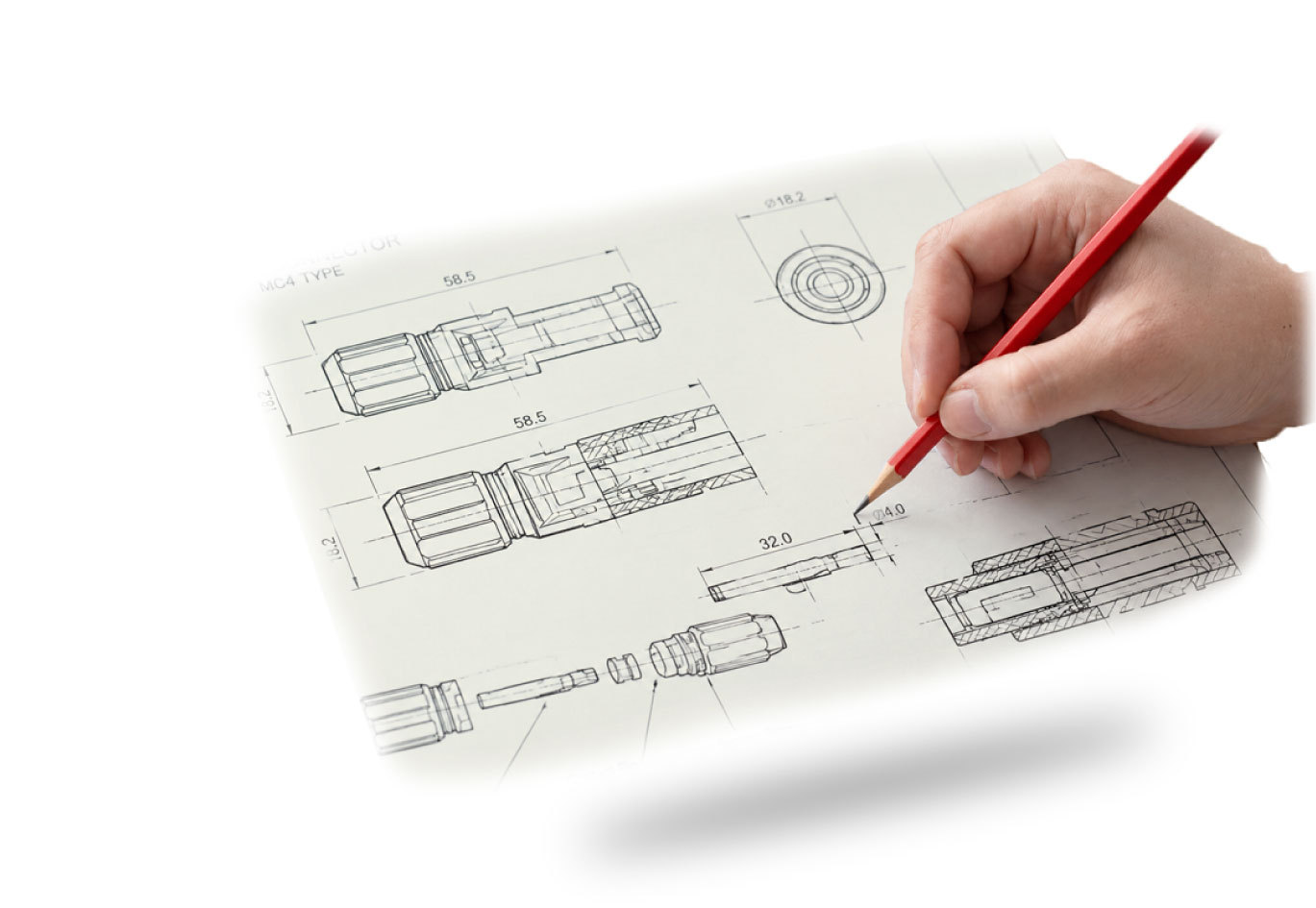
Factory pre-assembly
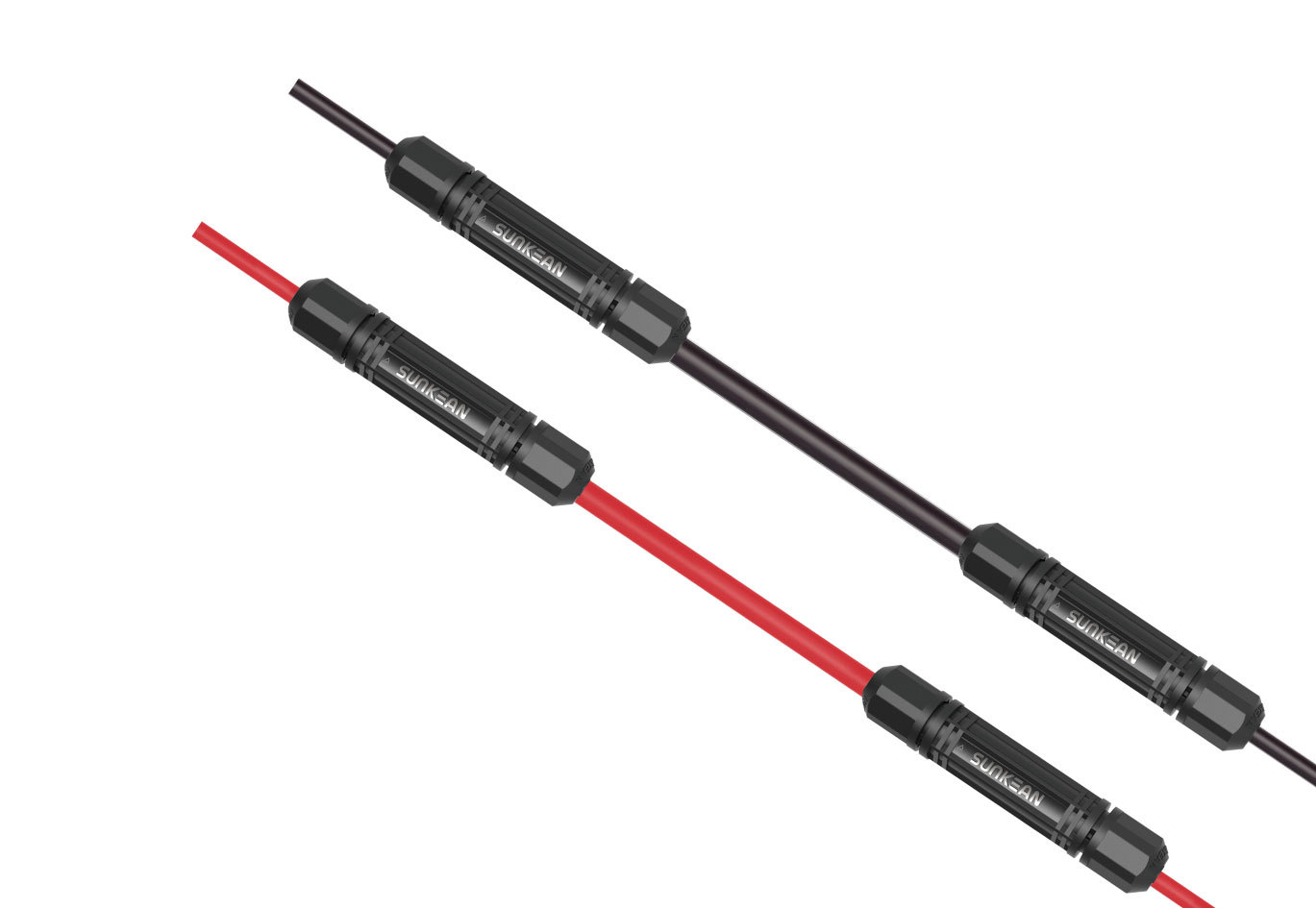
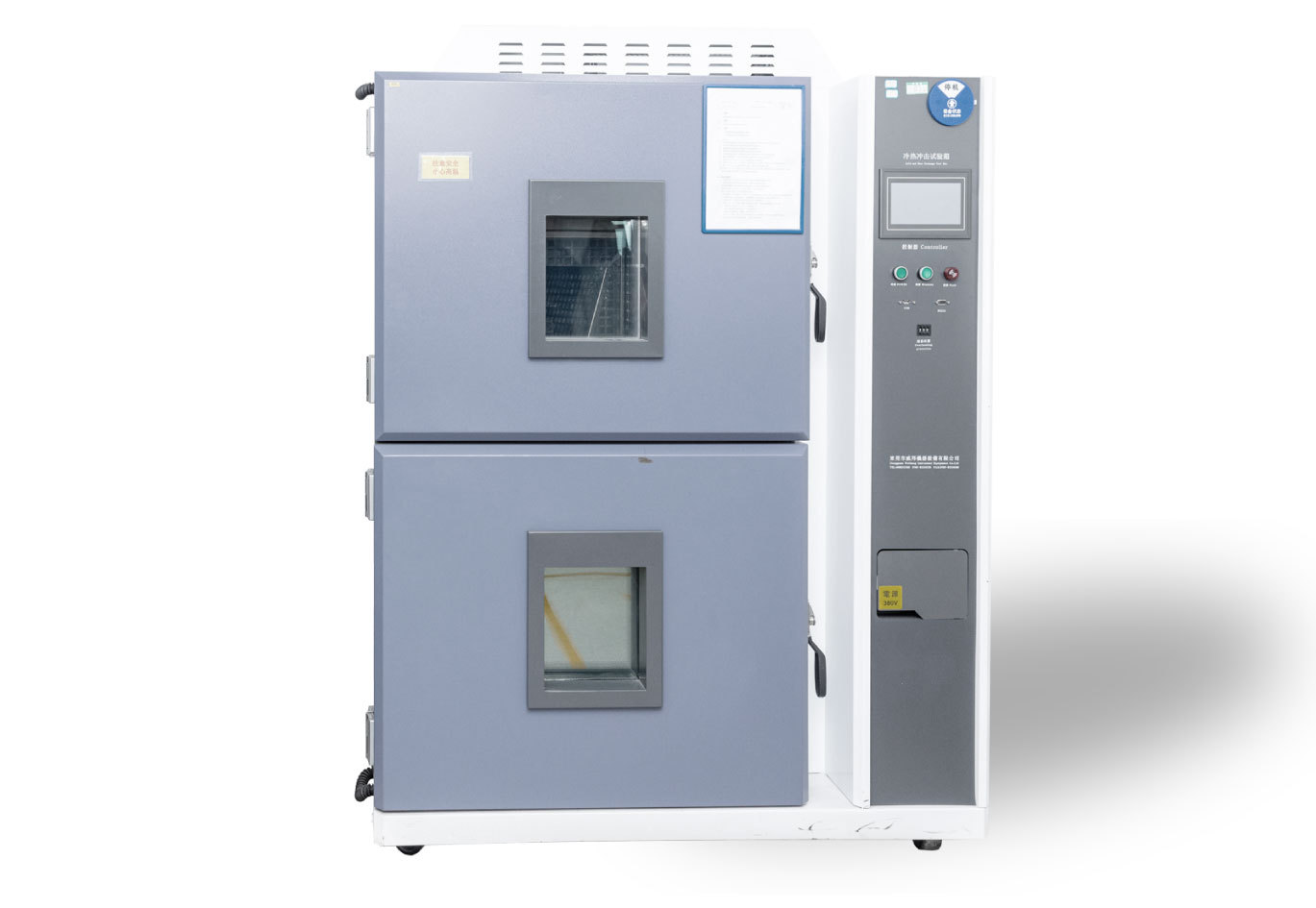
100% electrical testing
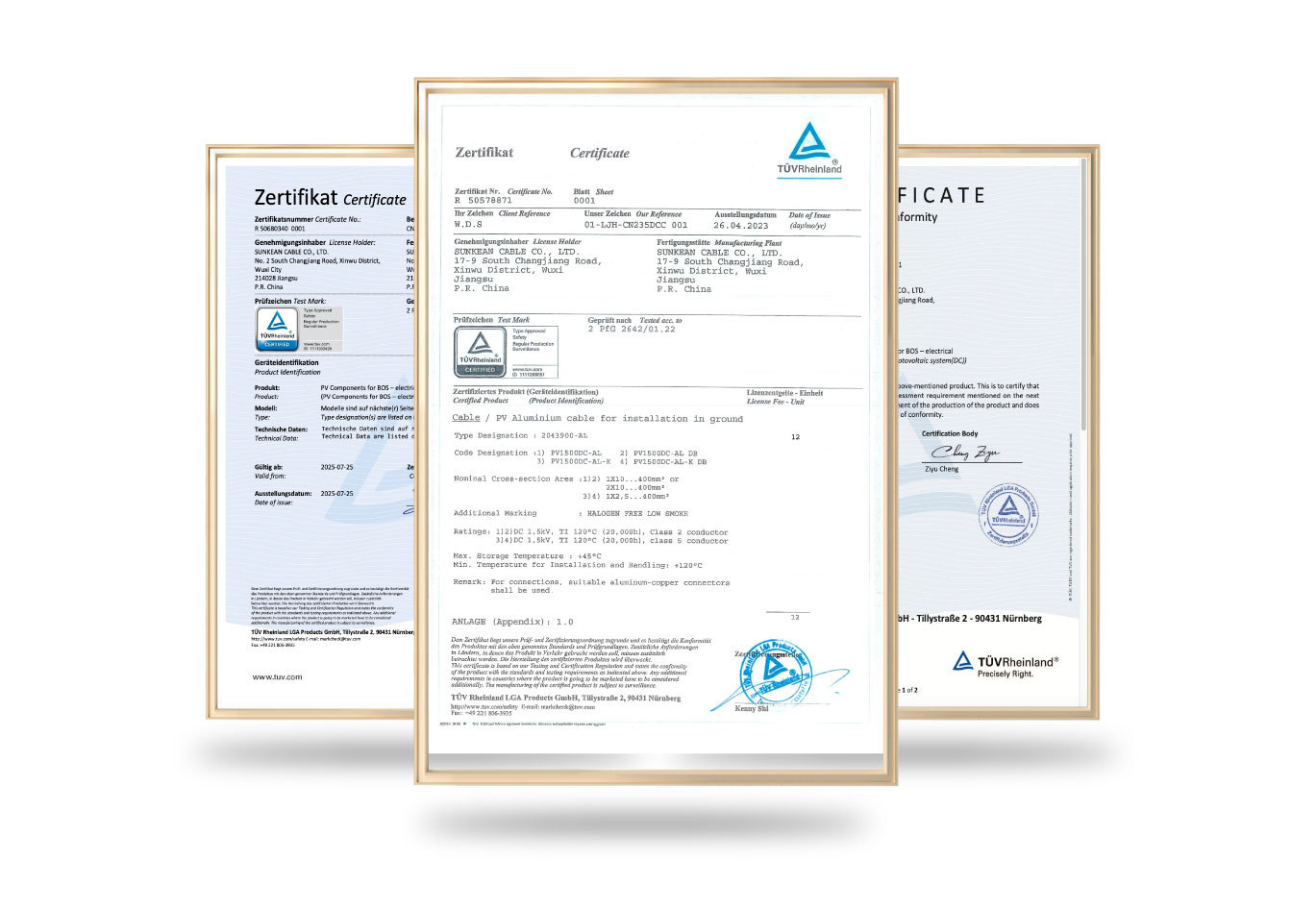
Global certifications
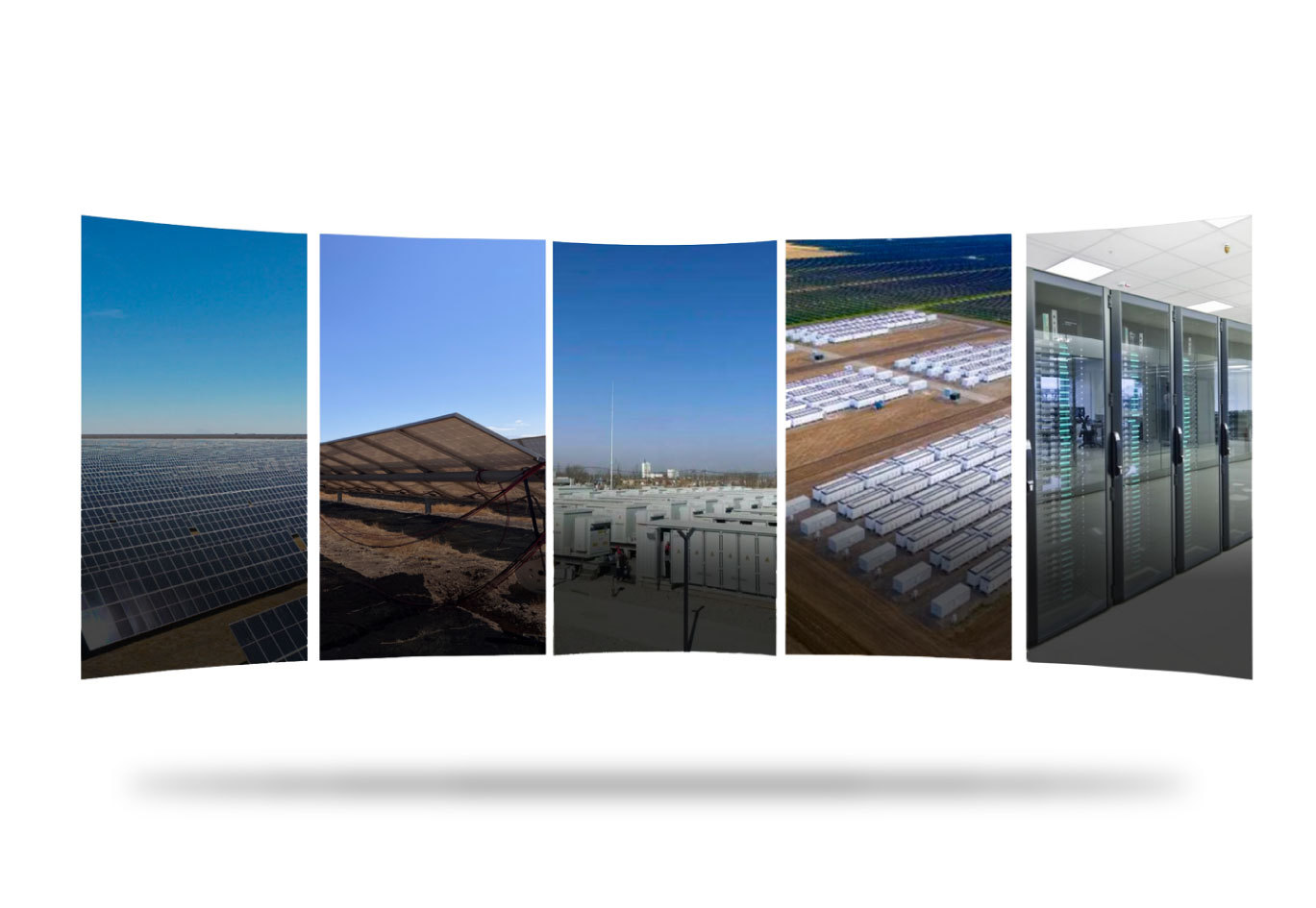
Utility-scale project experience
Trusted by Utility-scale Solar Project Teams
 EPC Project Team
The pre-assembled wiring solution helped simplify field installation and improved the consistency of our on-site work. It made project execution much more efficient.
 Solar Project Engineering Team
SUNKEAN provided a flexible solution tailored to our plant layout, along with responsive engineering support throughout the project.
 Utility-scale PV System Integrator
The factory-tested assemblies reduced on-site wiring complexity and gave us greater confidence in long-term system reliability.
 Renewable Energy Contractor
From design support to delivery, the collaboration was smooth and professional. The customized harnesses fit our installation requirements perfectly.
EPC Project TeamThe pre-assembled wiring solution helped simplify field installation and improved the consistency of our on-site work. It made project execution much more efficient.
Solar Project Engineering TeamSUNKEAN provided a flexible solution tailored to our plant layout, along with responsive engineering support throughout the project.
Utility-scale PV System IntegratorThe factory-tested assemblies reduced on-site wiring complexity and gave us greater confidence in long-term system reliability.
Renewable Energy ContractorFrom design support to delivery, the collaboration was smooth and professional. The customized harnesses fit our installation requirements perfectly.
Frequently Asked Questions
How much cost savings can SUNKEAN’s copper-to-aluminum connection solution deliver?
Compared to a full-copper system, this solution reduces costs by up to 58%. In a 1 GW PV power plant project, the savings can exceed USD 2,750,000.
How is SUNKEAN's copper-to-aluminum conversion harness designed to ensure stability and safety?
The harness uses a "copper–aluminum–copper" structure: copper conductors on both ends with an aluminum conductor in the middle, plus a plastic connector housing. It supports high currents and allows quick on-site crimping at the aluminum end for simplified installation.
What welding process is used for the copper-to-aluminum joint, and how reliable is it?
The connection adopts friction welding (solid-state bonding), which operates at low temperatures to minimize thermal damage to the cable. Over 25 years, conductivity degradation is less than 0.5%. The tensile strength is verified through pull and impact testing.
How does the copper-to-aluminum connector maintain corrosion resistance in harsh environments?
The joint surface is protected by a three-layer gradient structure: diffusion layer, chemical nickel plating layer, and hot-dipped tin anti-oxidation layer. An electroplating hole design ensures uniform coating. In a 96-hour 5% salt spray test, no corrosion occurred in the contact area.