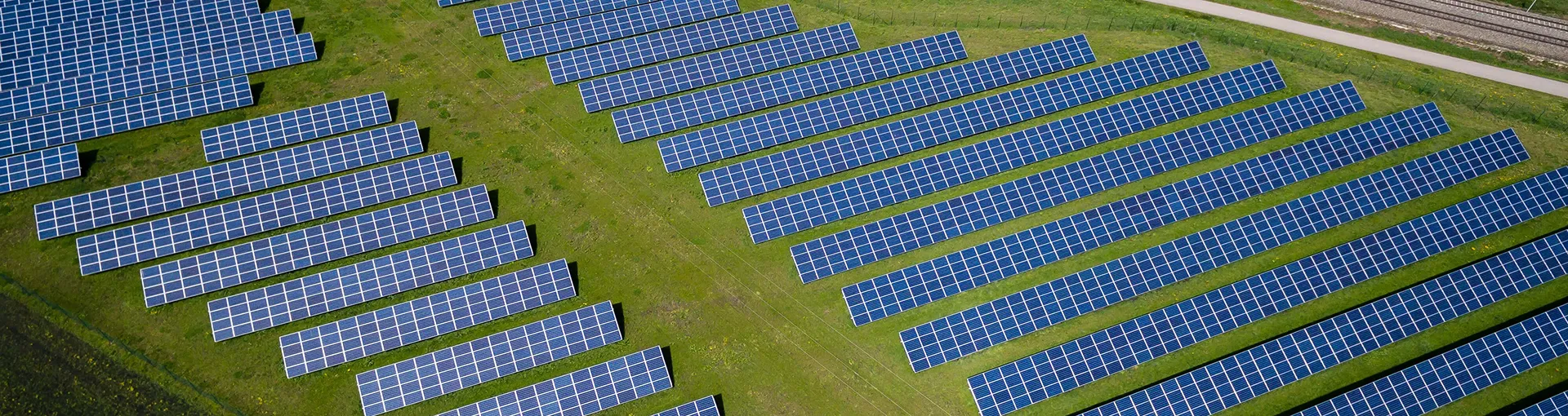
Industry Challenges

Ensuring Long-Term Safety & Reliability
Managing High Power & Thermal Stress
Simplifying Installation & System Integration
Meeting Global Safety & Compliance Standards
Our Solution
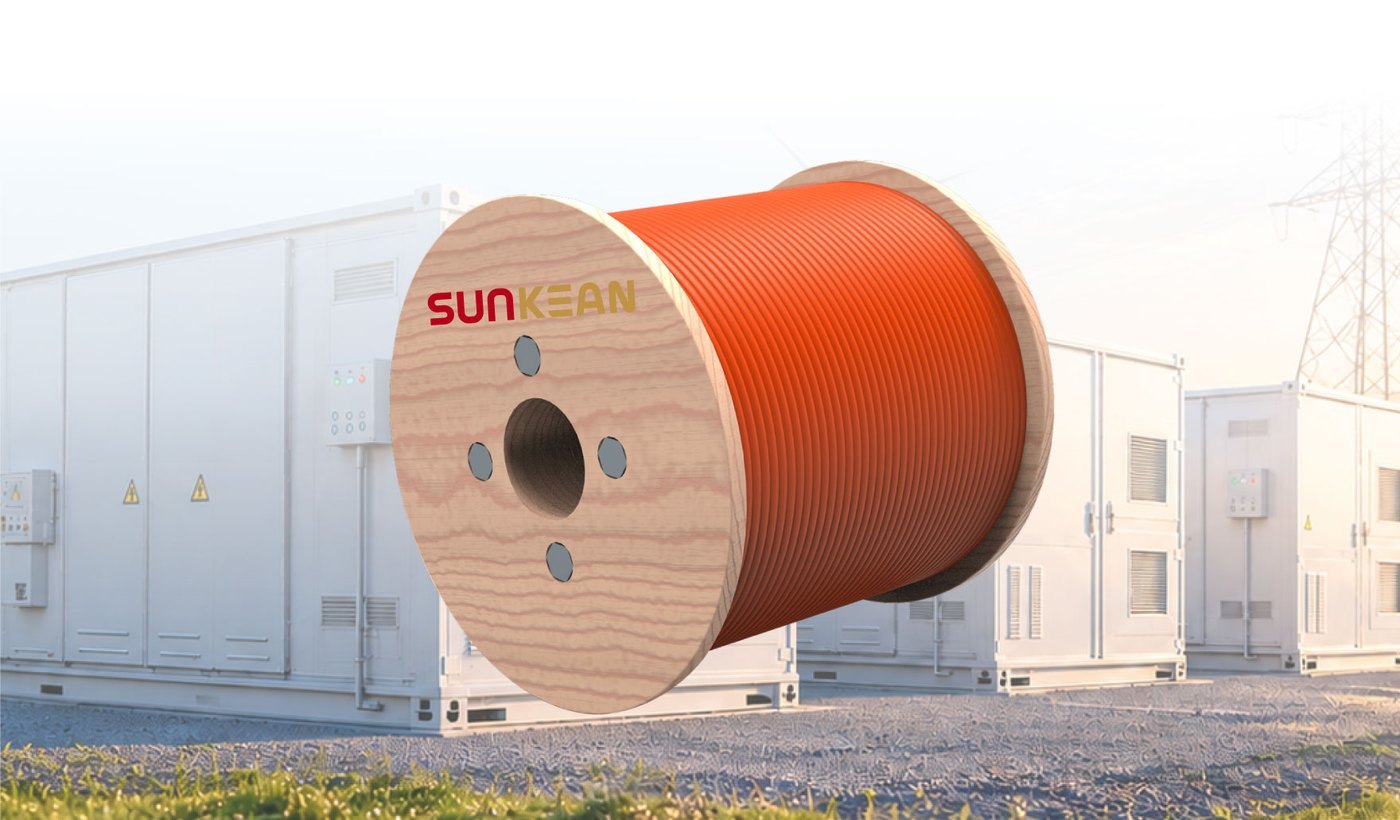
Energy Storage Cable
SUNKEAN energy storage cables are specialized conductors built to carry high-current DC power and low-voltage control signals, engineered to withstand unidirectional DC stress and frequent charge-discharge cycles without insulation breakdown or overheating.
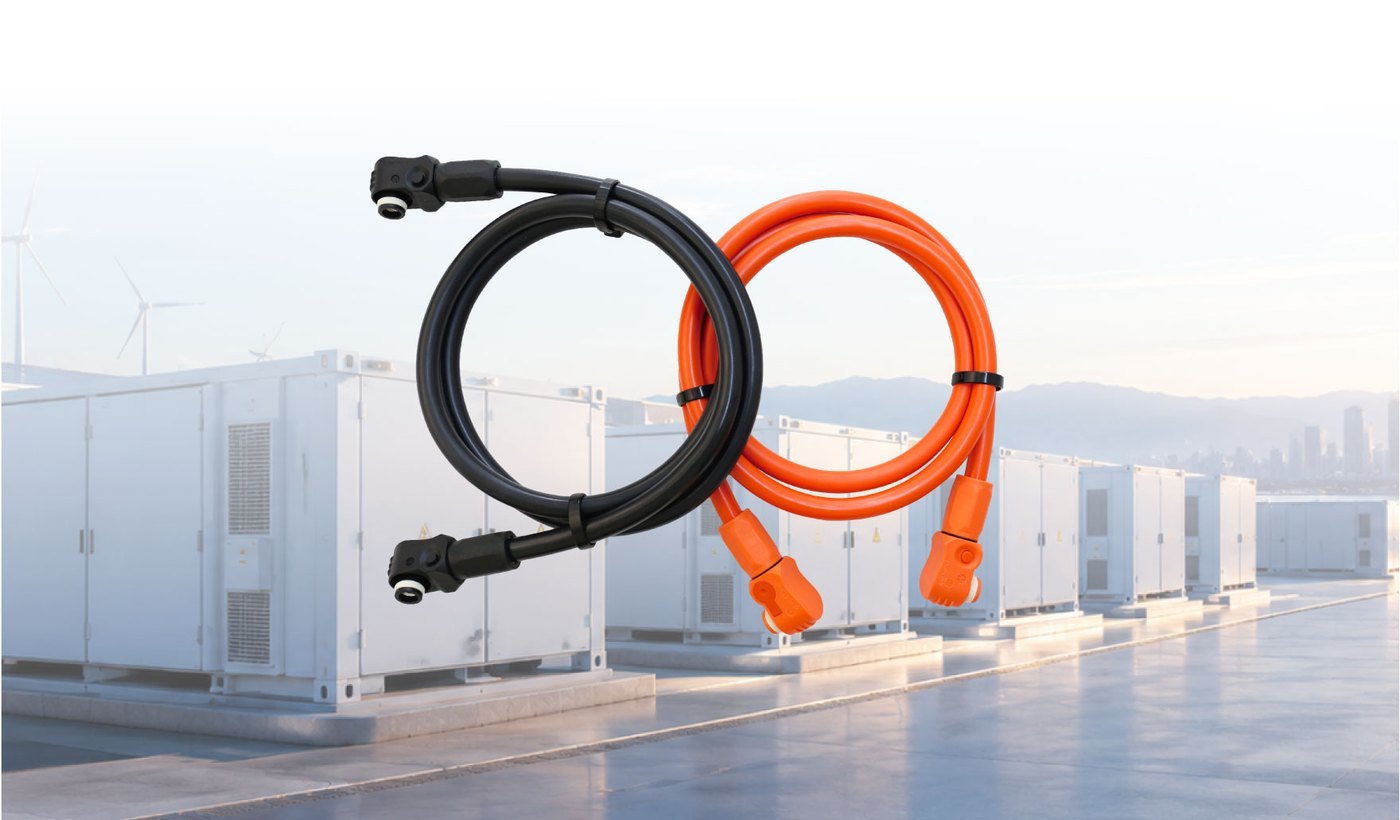
Energy Storage Harness
SUNKEAN pre-assembled wiring harnesses combine these cables with brand-compatible connectors into ready-to-install sets, eliminating on-site termination and reducing wiring errors. Backed by an 80,000 m² production base and UL/TUV certifications, SUNKEAN delivers fast, reliable shipments for global energy storage projects.
Reliability & Validation
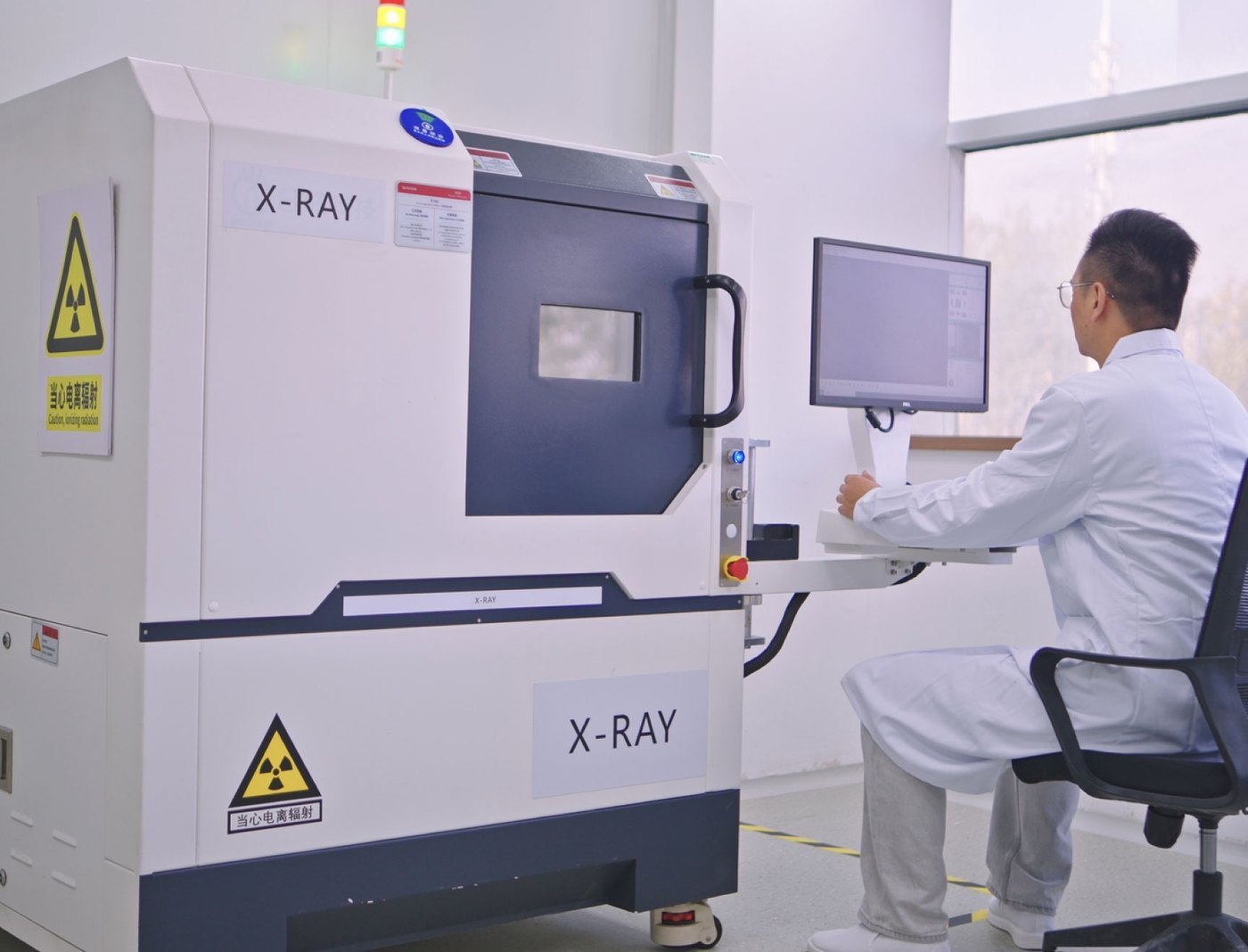
Electrical Performance Testing
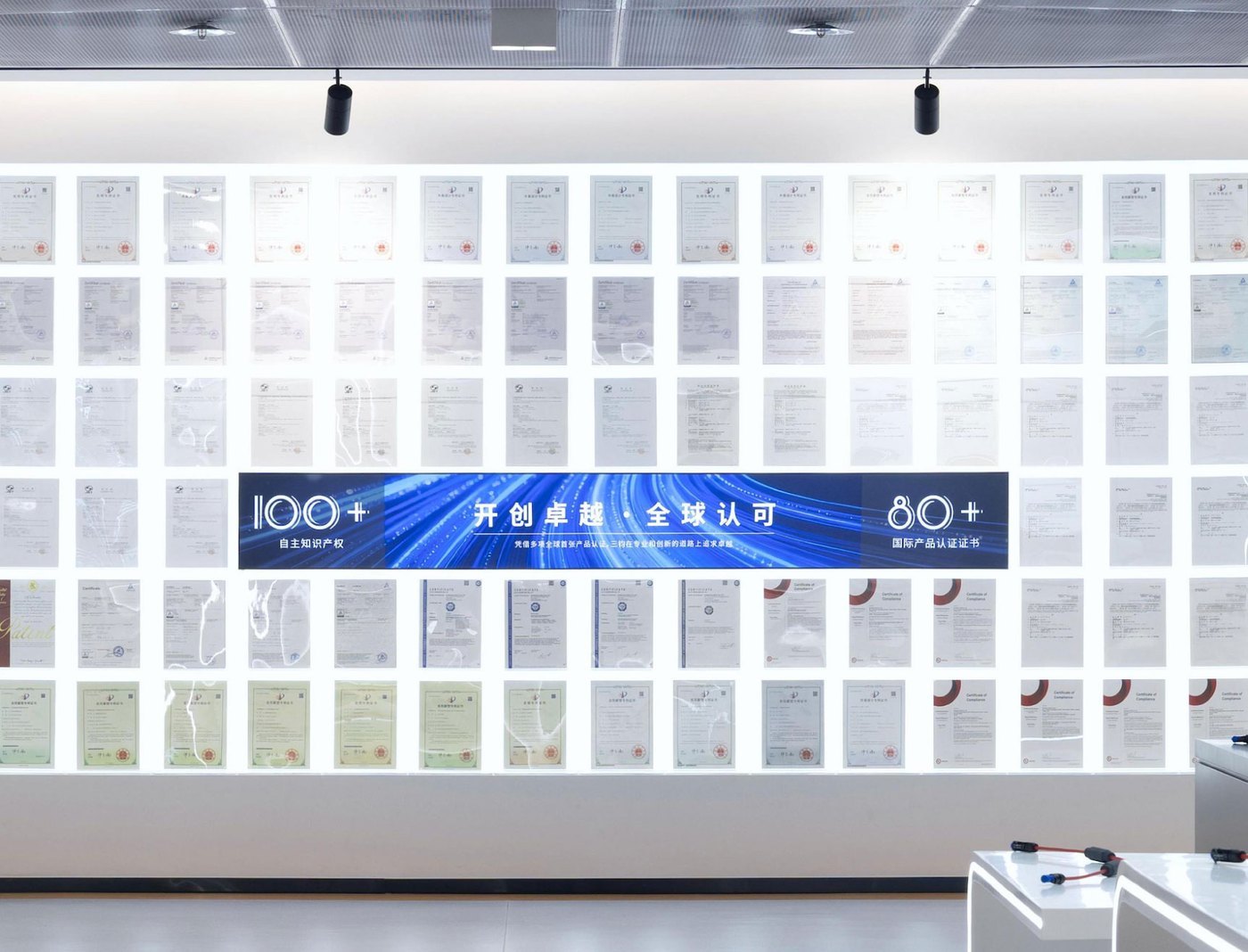
Safety & Compliance Validation
Successful Cases
More Cases
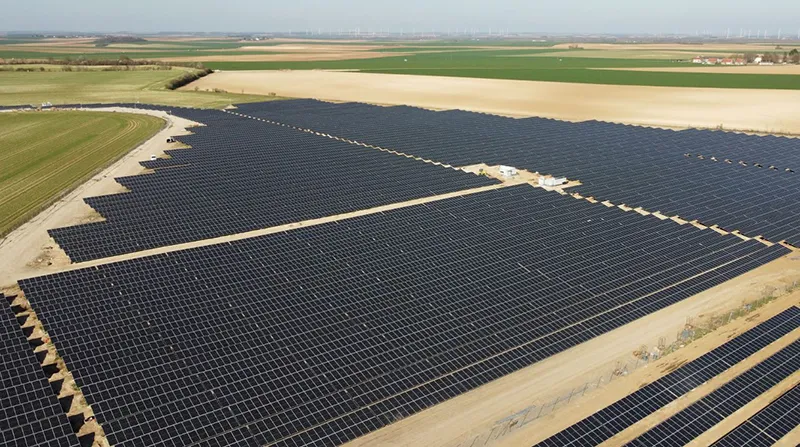
Photovoltaic Plant Athies-Samoussy
System capacity: 87.5MW
Project area: France
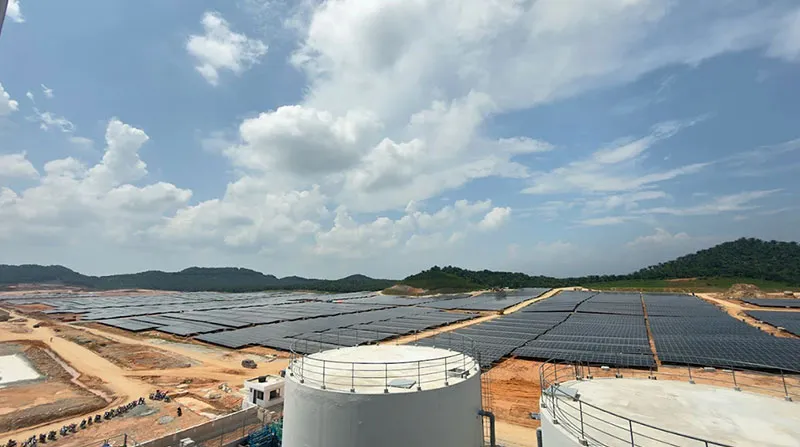
YTL Kulai Solar Farm
System capacity: 54MW
Project area: Malaysia
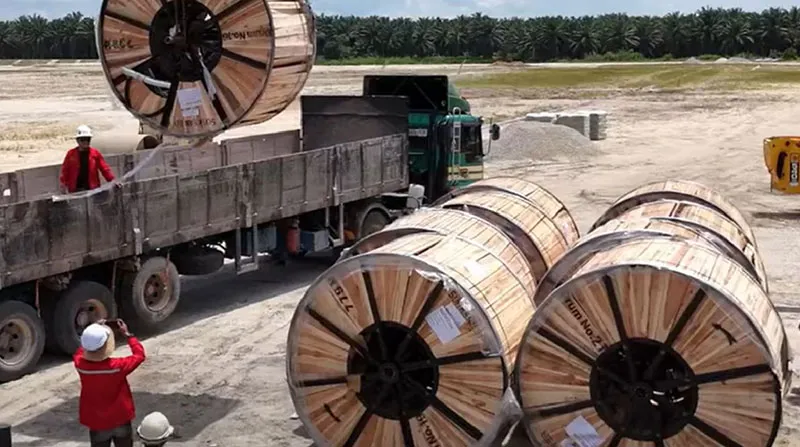
GADING HBA Ground Solar Plant
System capacity: 30MW
Project area: Malaysia
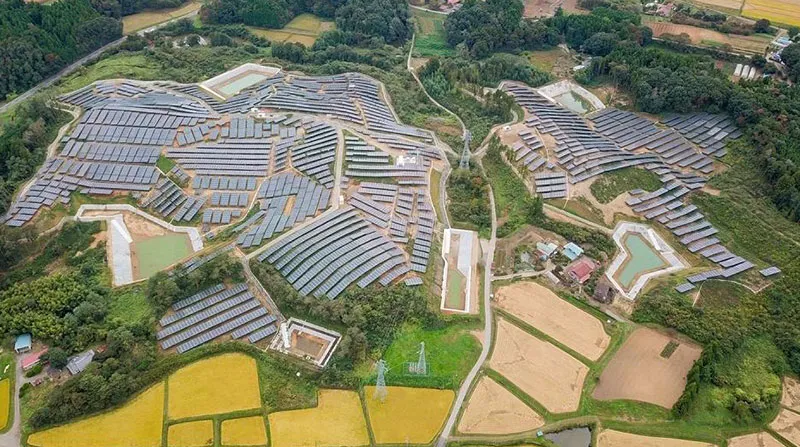
SUIMEI
System capacity: 60MW
Project area: Japan
Yeongbaek project
System capacity: 43.25MW
Project area: Korea
Photovoltaic Plant Athies-Samoussy
System capacity: 87.5MW
Project area: France
YTL Kulai Solar Farm
System capacity: 54MW
Project area: Malaysia
GADING HBA Ground Solar Plant
System capacity: 30MW
Project area: Malaysia
SUIMEI
System capacity: 60MW
Project area: Japan
Yeongbaek project
System capacity: 43.25MW
Project area: Korea
Frequently Asked Questions
-
How much cost savings can SUNKEAN’s copper-to-aluminum connection solution deliver?
Compared to a full-copper system, this solution reduces costs by up to 58%. In a 1 GW PV power plant project, the savings can exceed USD 2,750,000.
-
How is SUNKEAN’s copper-to-aluminum conversion harness designed to ensure stability and safety?
The harness uses a “copper–aluminum–copper” structure: copper conductors on both ends with an aluminum conductor in the middle, plus a plastic connector housing. It supports high currents and allows quick on-site crimping at the aluminum end for simplified installation.
-
What welding process is used for the copper-to-aluminum joint, and how reliable is it?
The connection adopts friction welding (solid-state bonding), which operates at low temperatures to minimize thermal damage to the cable. Over 25 years, conductivity degradation is less than 0.5%. The tensile strength is verified through pull and impact testing.
-
How does the copper-to-aluminum connector maintain corrosion resistance in harsh environments?
The joint surface is protected by a three-layer gradient structure: diffusion layer, chemical nickel plating layer, and hot-dipped tin anti-oxidation layer. An electroplating hole design ensures uniform coating. In a 96-hour 5% salt spray test, no corrosion occurred in the contact area.