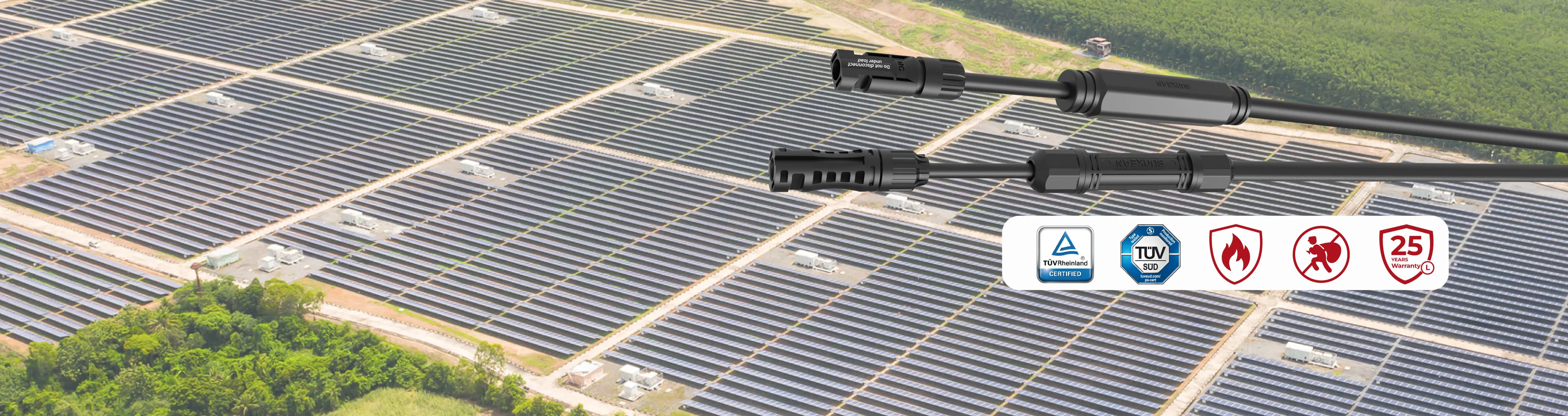
Why Use Aluminum Cables in Solar Projects
Lower Cost
Up to 30-50% lower cost than copper
Easy Installation
Lightweight, easier installation
Theft Resistant
Lower theft risk due to lower scrap value
Utility-Scale Ready
Suitable for large-scale PV plants
Copper-to-Aluminum Connection Solution
From PV strings to inverter connections, SUNKEAN provides a complete factory-engineered DC collection solution for utility-scale solar plants.
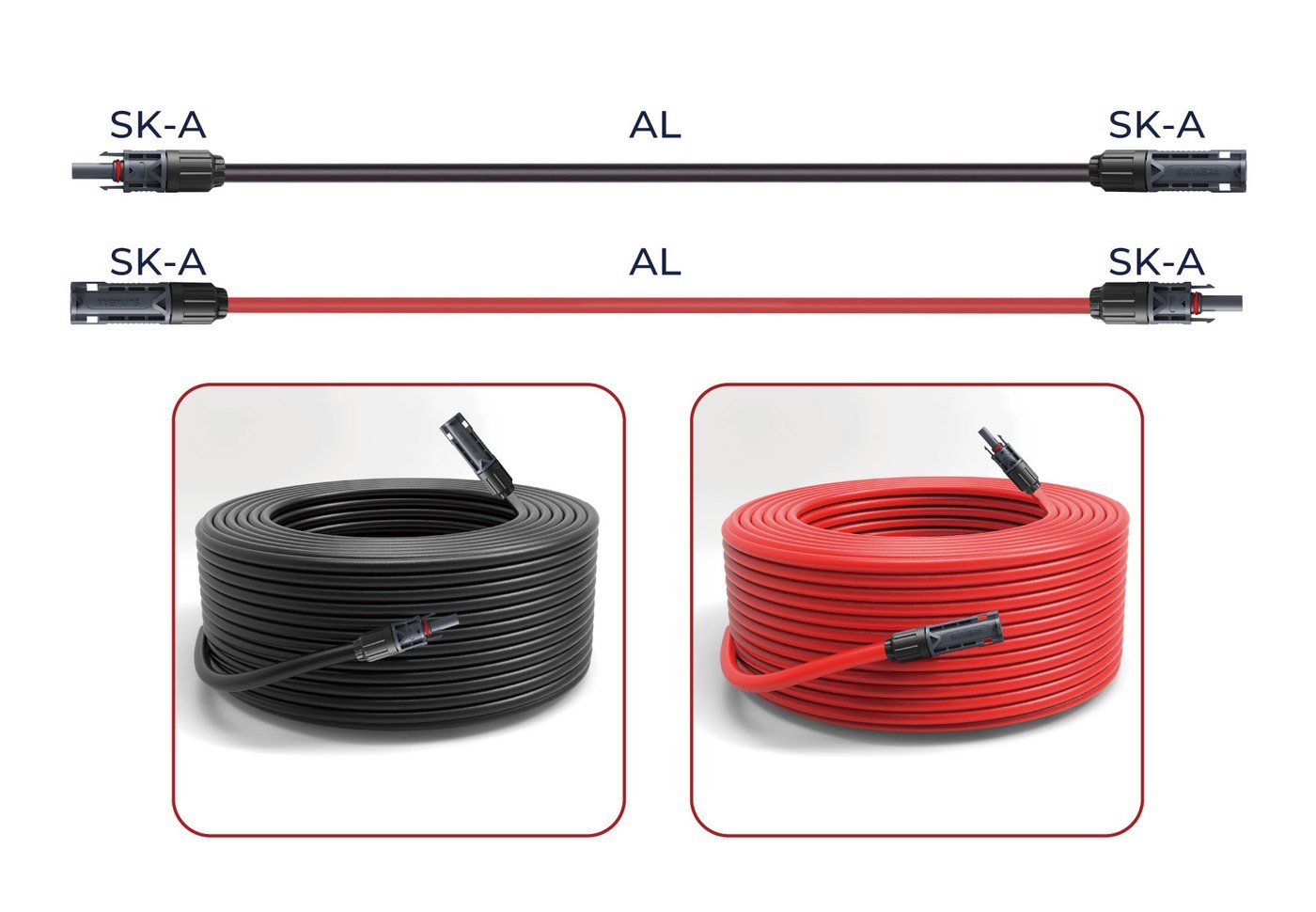
SK-A Copper-Aluminum Jumper Solution
The Cu-Al Jumper is a pre-assembled connection solution designed for DC-side connectivity in PV systems. It enables flexible connections between different connector brands while providing a reliable transition between copper and aluminum conductors.
- Plug-and-Play Installation
- Cost-Effective
- Reliable Performance
Application Example
The solution is compatible with PV4-S, H4CFC6DMS, PV-KST4-EVO 2A/6I, QC4 10-cds, and PV LR5 connectors. If your existing connector is not one of these types, each jumper comes with a pair of SK4-C copper connectors, making it easy to adapt the solution to different connector requirements.

Key Technology
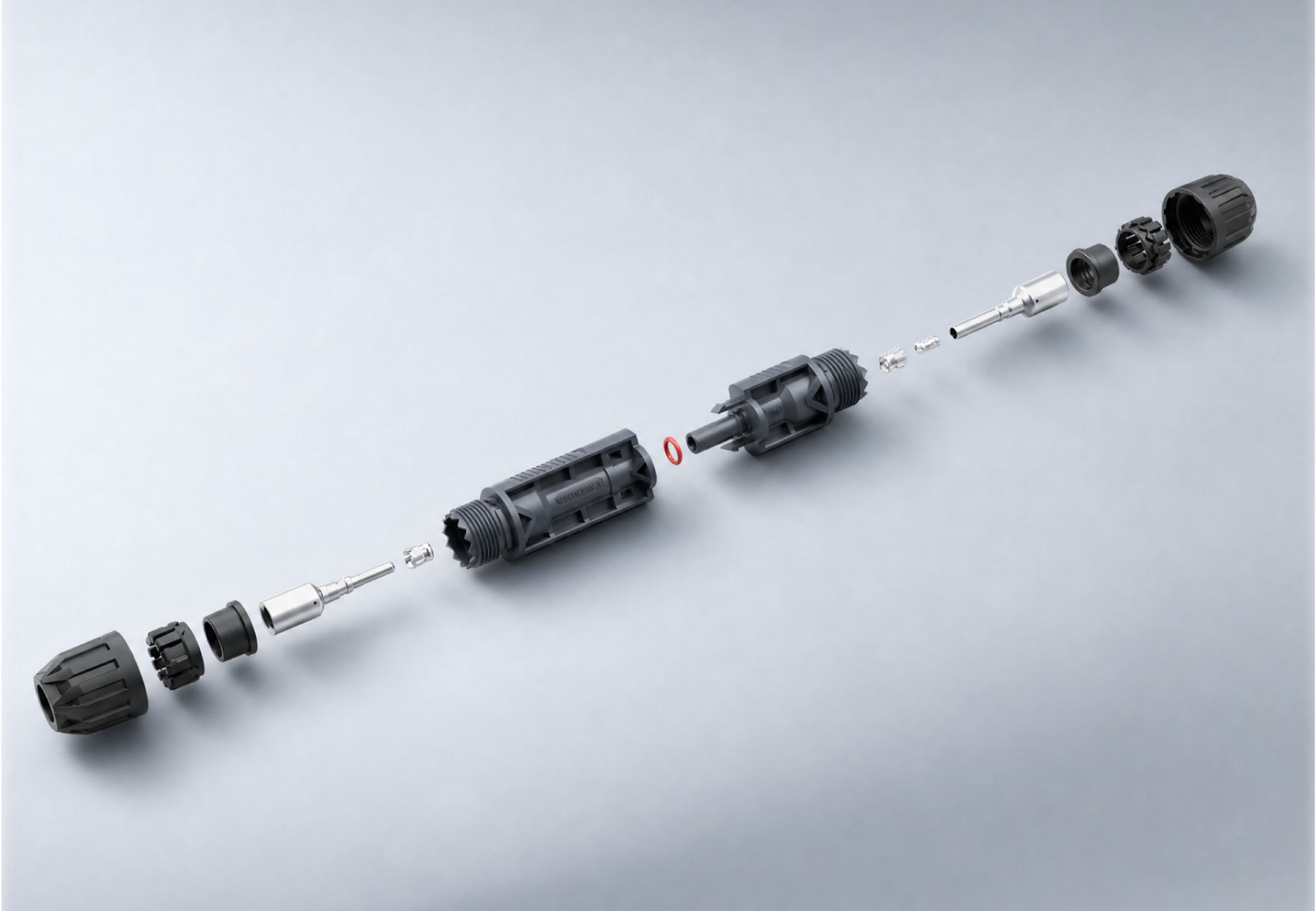
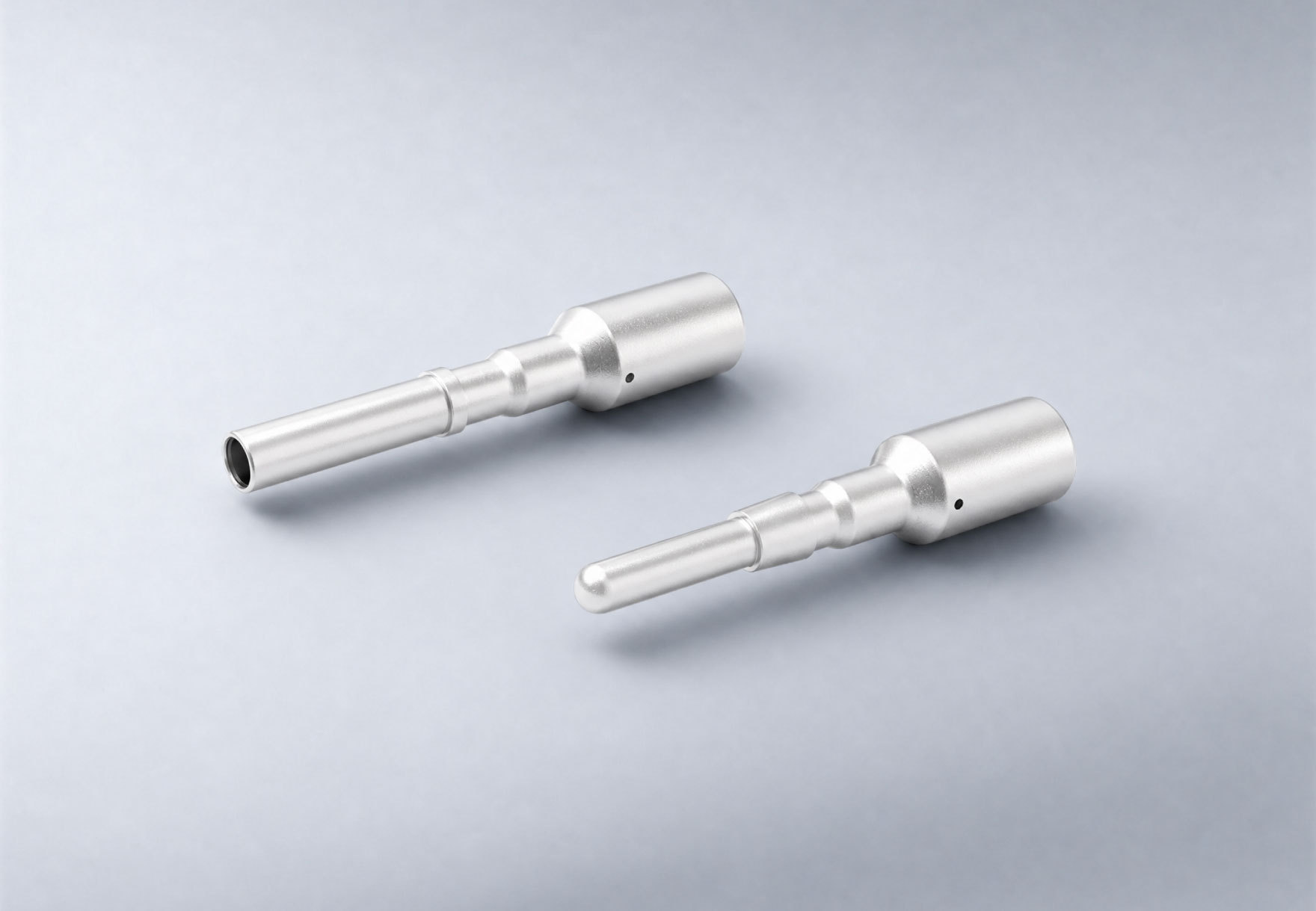
The SK-A connector's strong adaptability stems from its precision-engineered internal terminal components. Designed to accommodate different connection requirements, these components ensure a secure and reliable electrical connection while maintaining consistent contact performance.
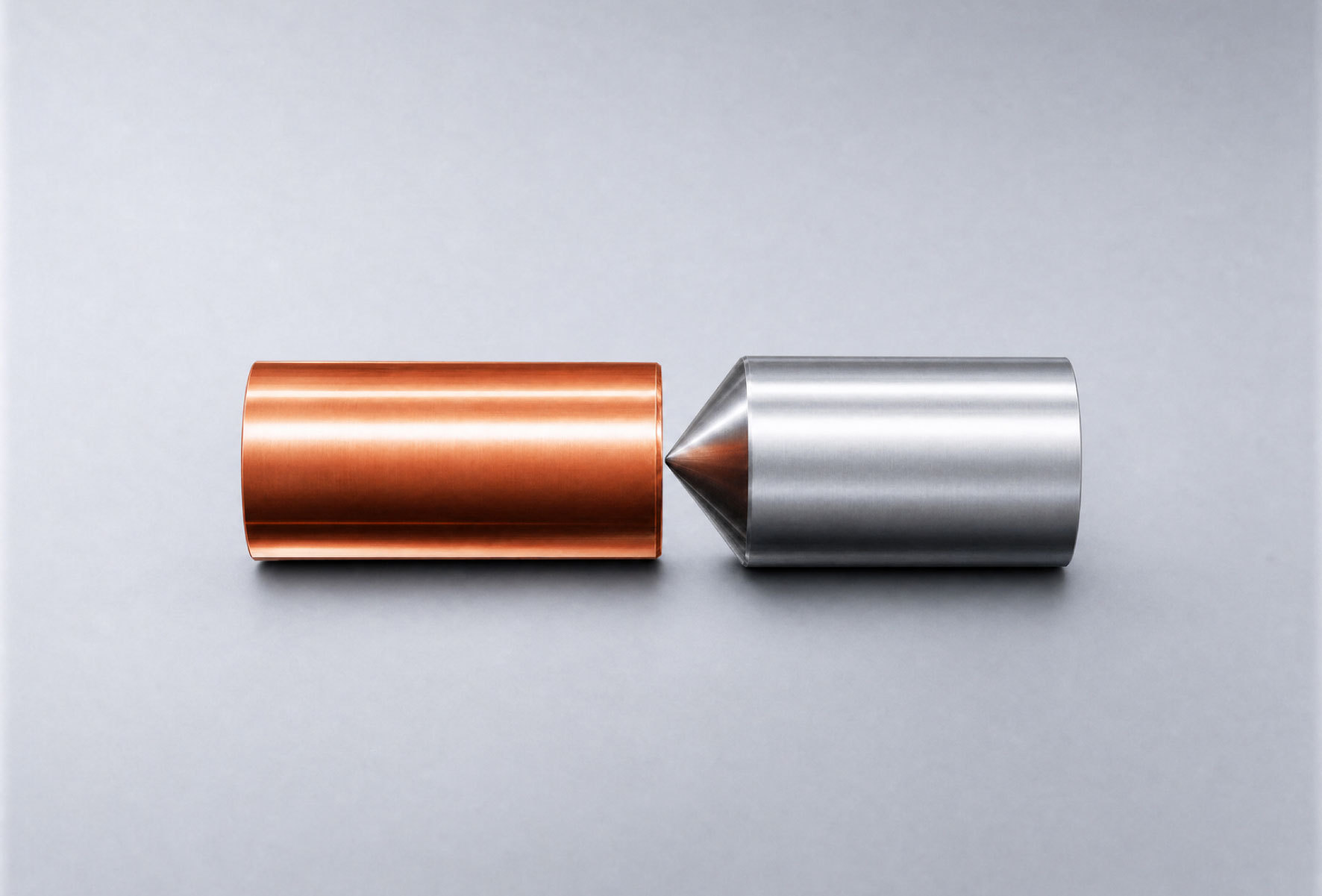
SUNKEAN is among the first to mass-produce friction-welded copper-aluminum terminals. High-speed friction and pressure bond the metals below their melting points, eliminating the melt and expansion issues of fusion welding. A multi-layer plating cuts ionic migration by ~90%, with contact resistance ≤ 0.3 mΩ for reliable outdoor service.
SUNKEAN's copper-aluminum connector terminals use a high-performance multi-layer protective plating. Working together, the layers strengthen protection on three fronts — interface isolation, surface stability, and environmental durability — reducing the effects of humidity, heat, and salt spray on the connection area and keeping conductivity stable over the long term.
SK-TC CU-AL Transition Harness Solution
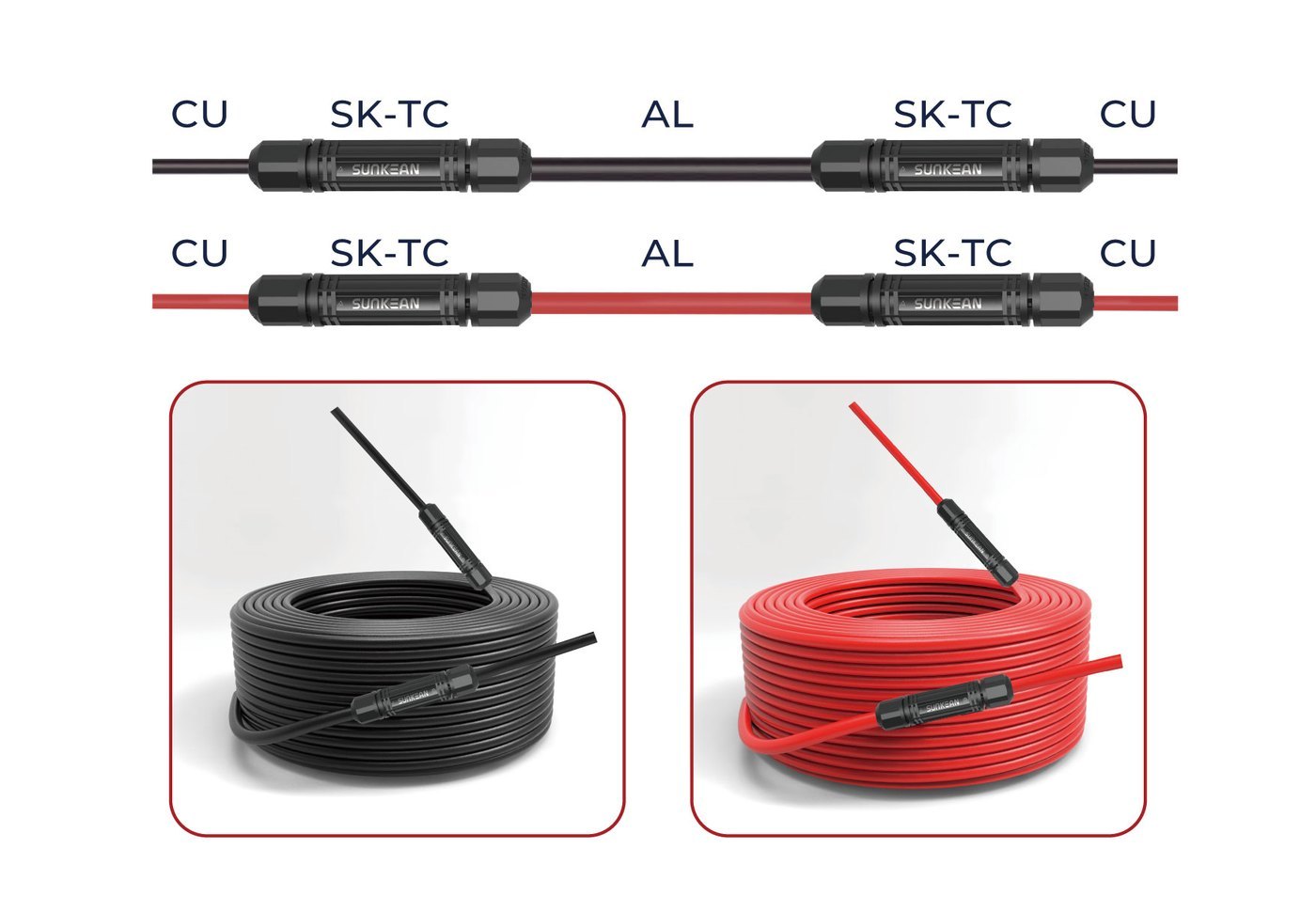
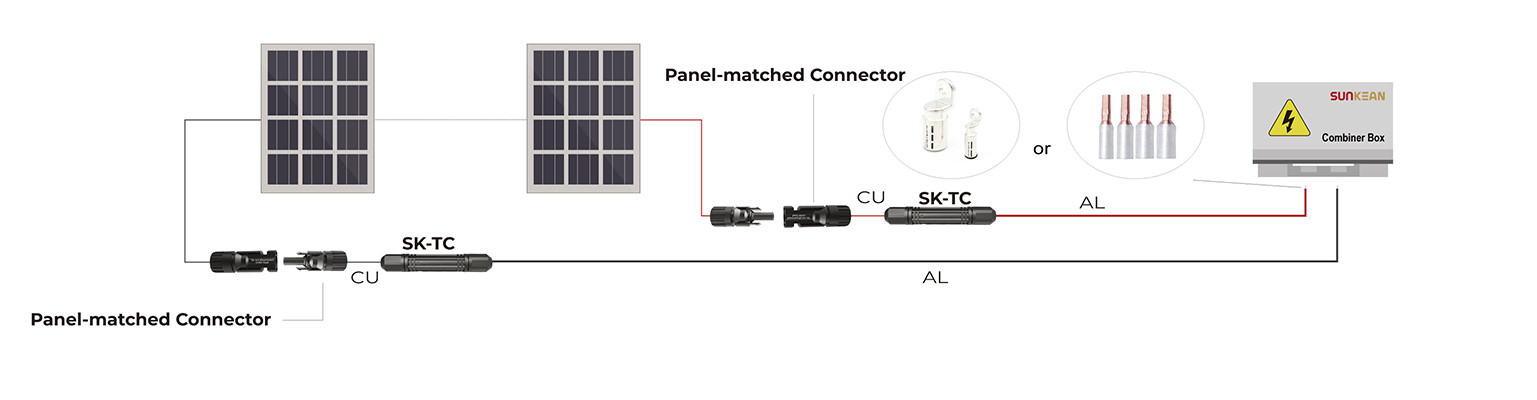
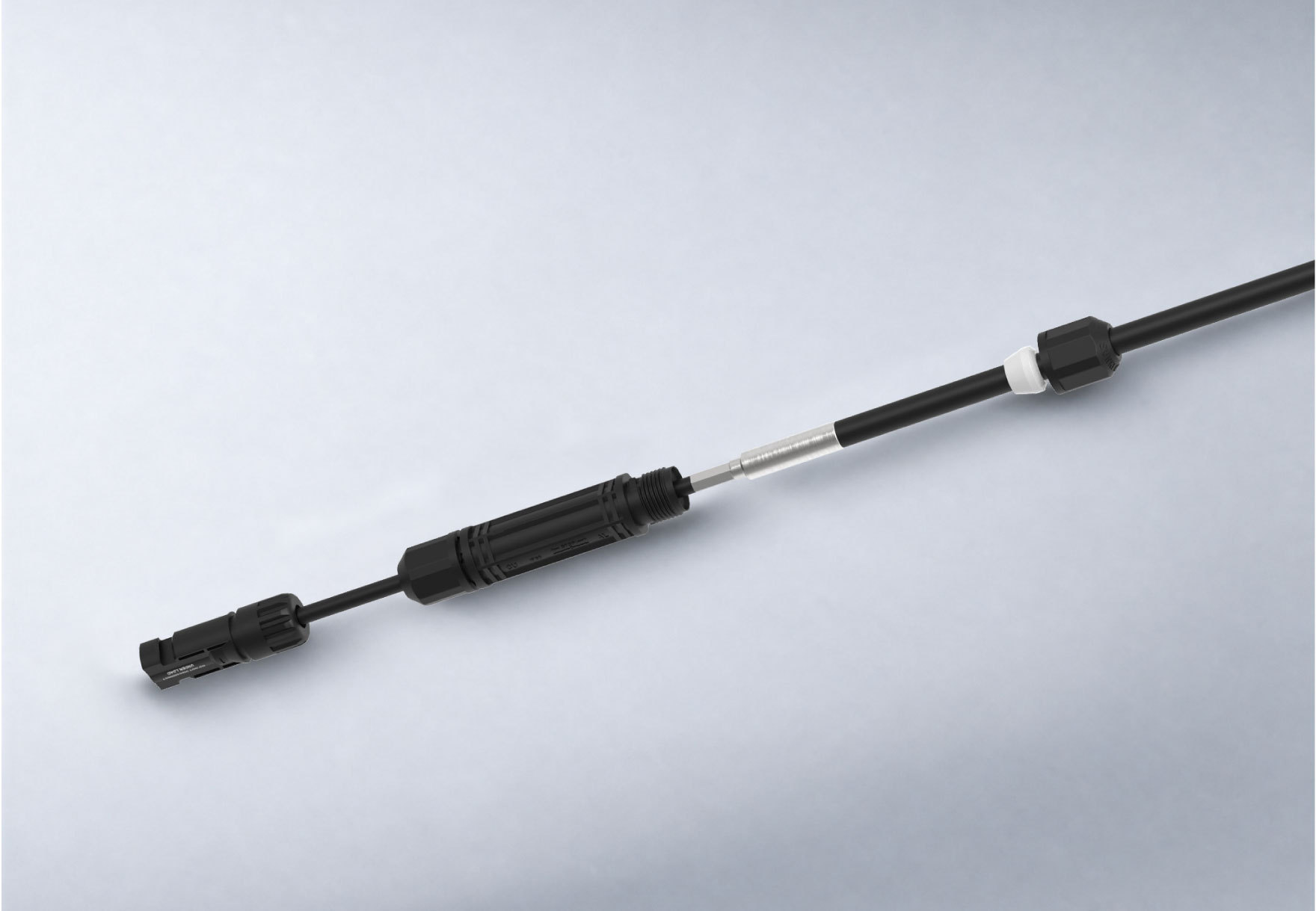
The SK-TC CU-AL Transition Harness is a pre-assembled connection solution designed for DC-side connectivity in PV systems. It enables flexible connections between different connector brands while providing a reliable transition between copper and aluminum conductors.
- Plug-and-Play Installation
- Cost Optimized
- Proven Reliability
Application Example
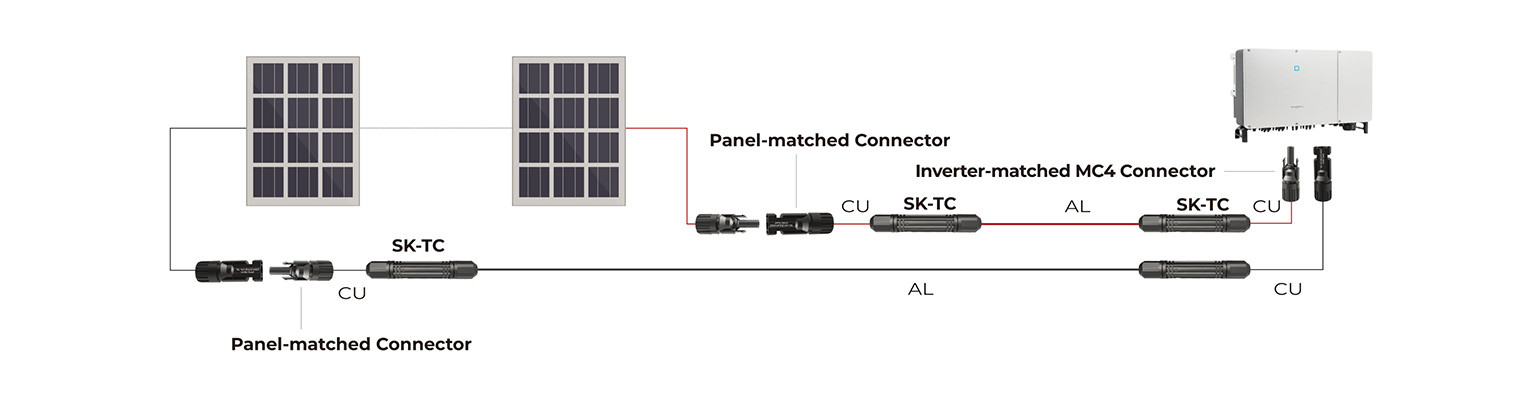
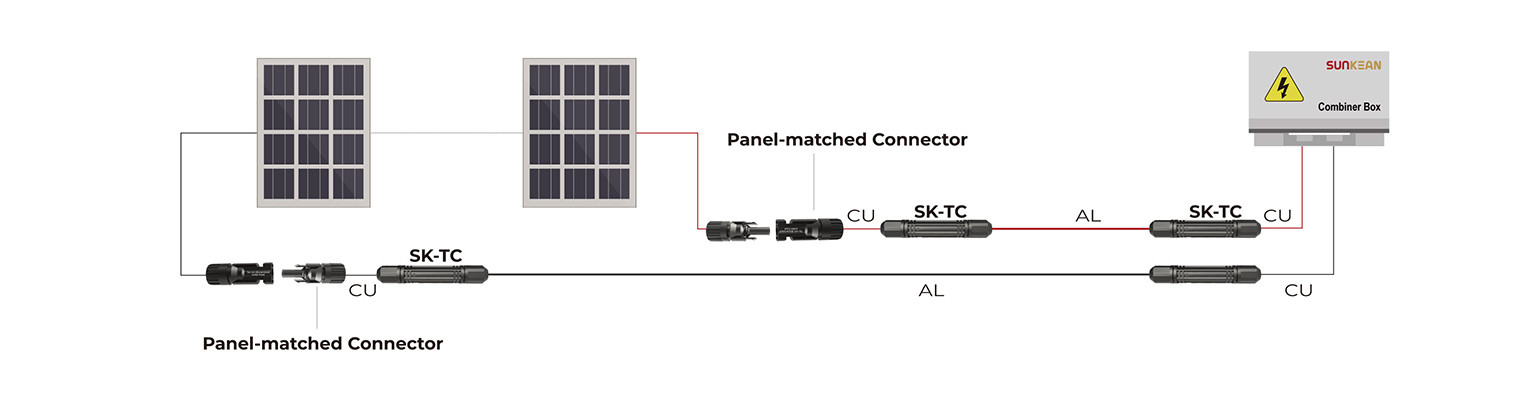
With three flexible wiring options, the solution can accommodate different connection requirements and support a wide range of combiner box configurations. This flexibility makes it easier to integrate the solution into different PV system designs, helping installers adapt the wiring to specific project layouts and connection needs.
Key Technology
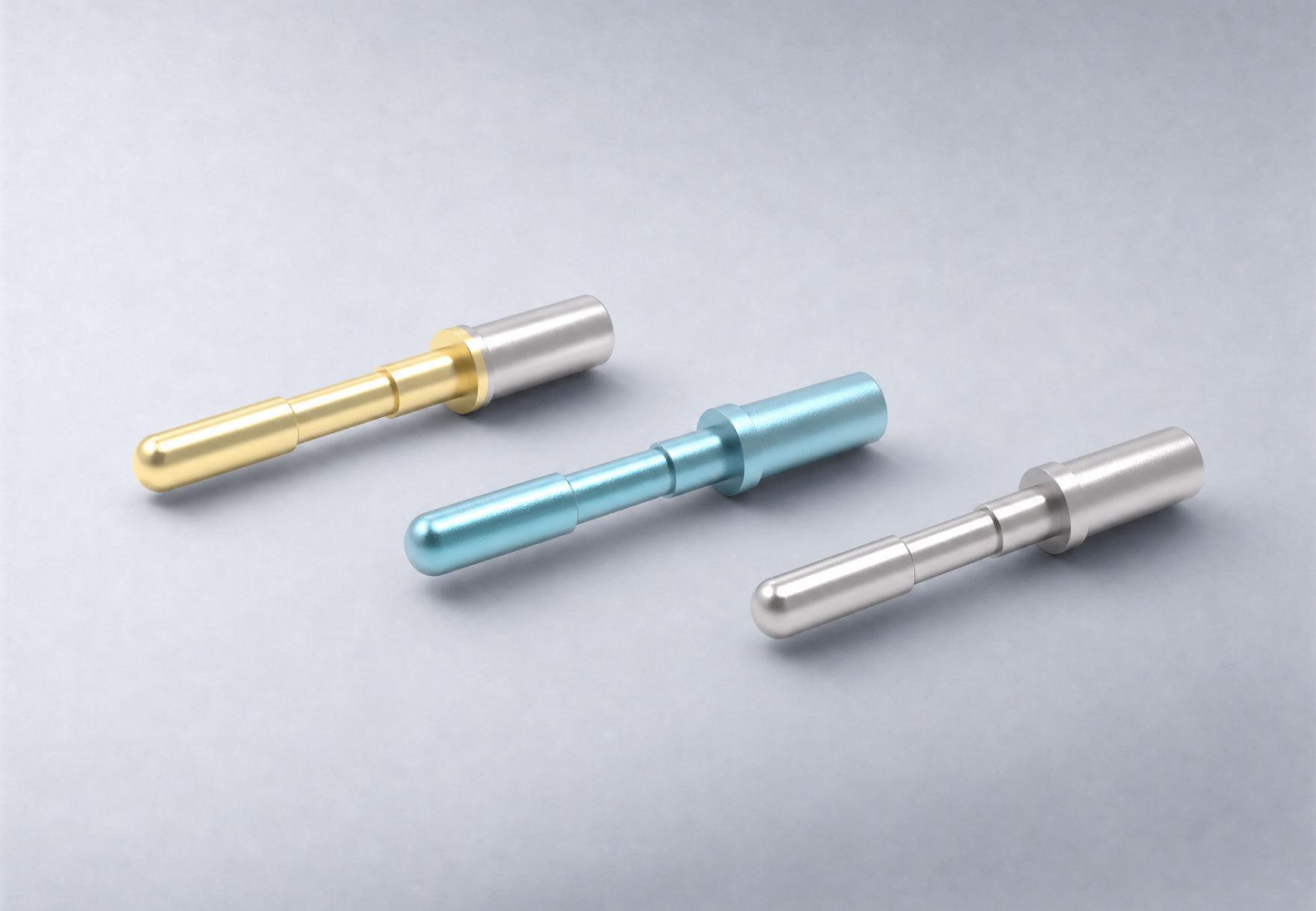
The SK-TC connector's strong adaptability stems from its precision-engineered internal terminal components. Designed to accommodate different connection requirements, these components ensure a secure and reliable electrical connection while maintaining consistent contact performance.
SUNKEAN is among the first to mass-produce friction-welded copper-aluminum terminals. High-speed friction and pressure bond the metals below their melting points, eliminating the melt and expansion issues of fusion welding. A multi-layer plating cuts ionic migration by ~90%, with contact resistance ≤ 0.3 mΩ for reliable outdoor service.
SUNKEAN's copper-aluminum connector terminals use a high-performance multi-layer protective plating. Working together, the layers strengthen protection on three fronts — interface isolation, surface stability, and environmental durability — reducing the effects of humidity, heat, and salt spray on the connection area and keeping conductivity stable over the long term.
Aluminum Cable
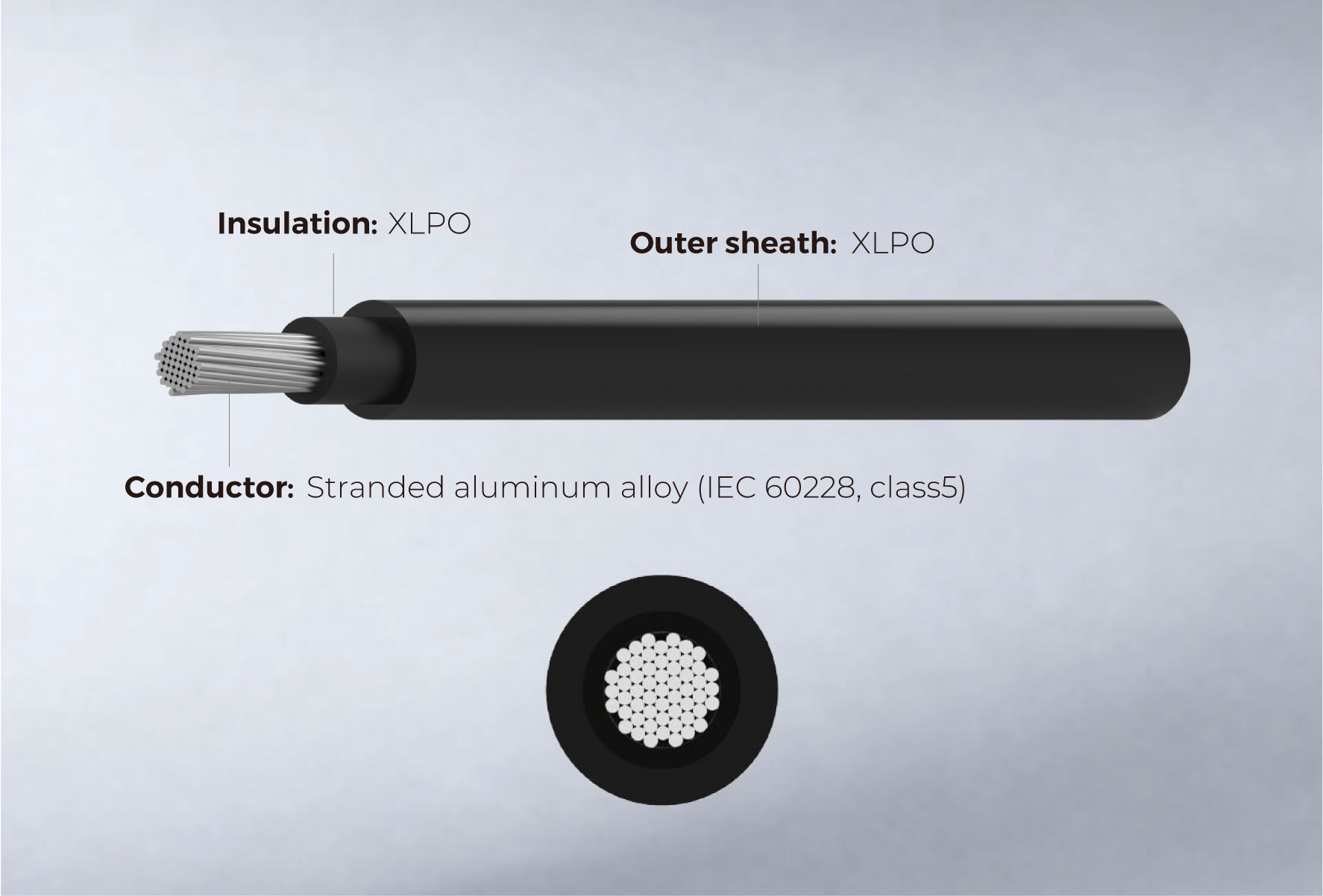
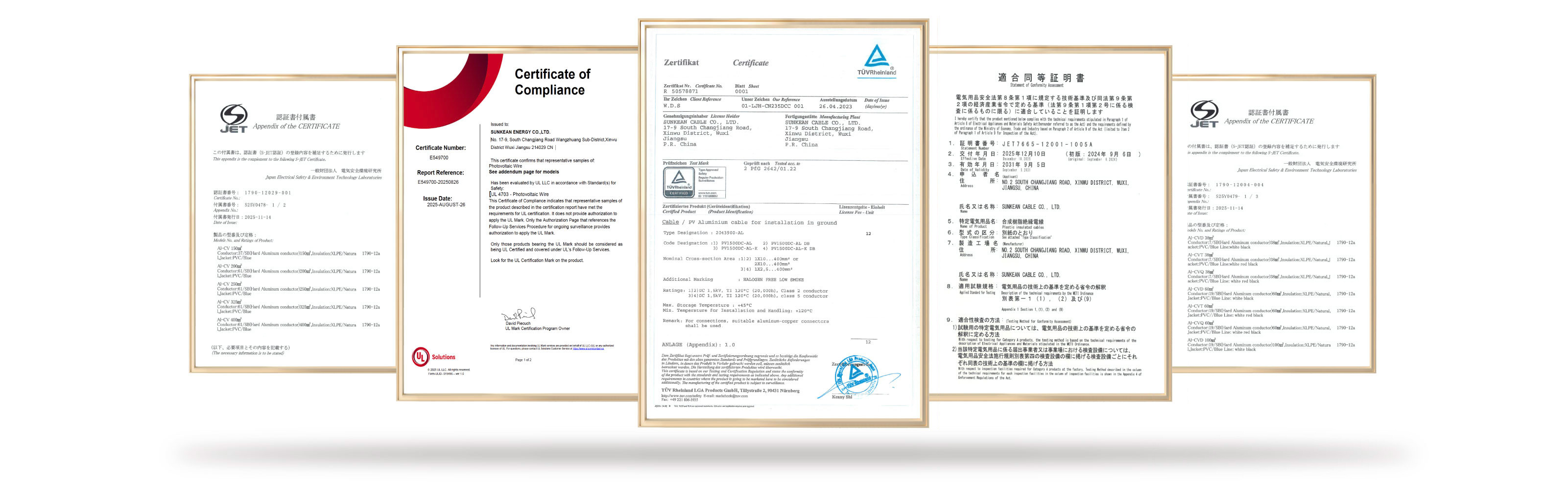
Reliable performance for PV and power distribution applications. With TUV, UL, and CE certifications, they meet international quality and safety requirements for a wide range of global projects.
- Lightweight & Cost-EfficientAluminum conductors provide a high conductivity-to-weight ratio, reducing cable weight, transportation and installation costs while improving overall project efficiency.
- Reliable Performance in Demanding EnvironmentsDesigned with suitable insulation and sheathing materials, SUNKEAN aluminum cables offer resistance to UV exposure, moisture, temperature variations, and other outdoor stresses.
- Enhanced Safety & PracticalityWith lower resale value than copper, aluminum cables help reduce theft risks, making them a practical solution for large-scale outdoor PV installations.
Global Certification
Manufacturing Excellence
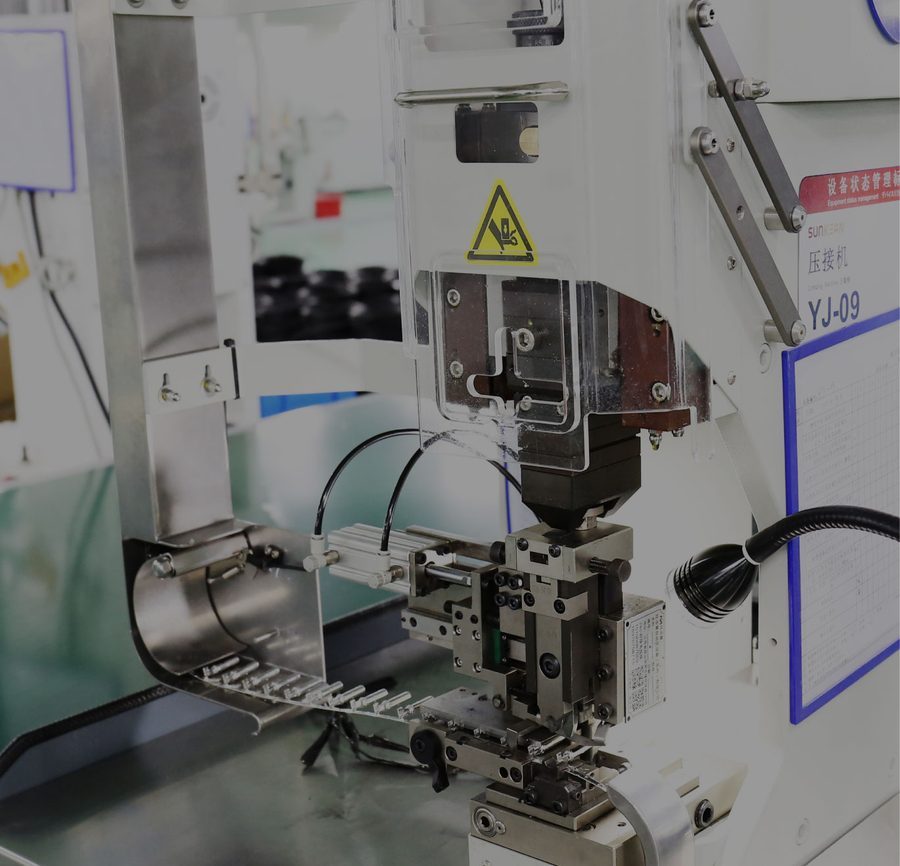
Advanced Equipment
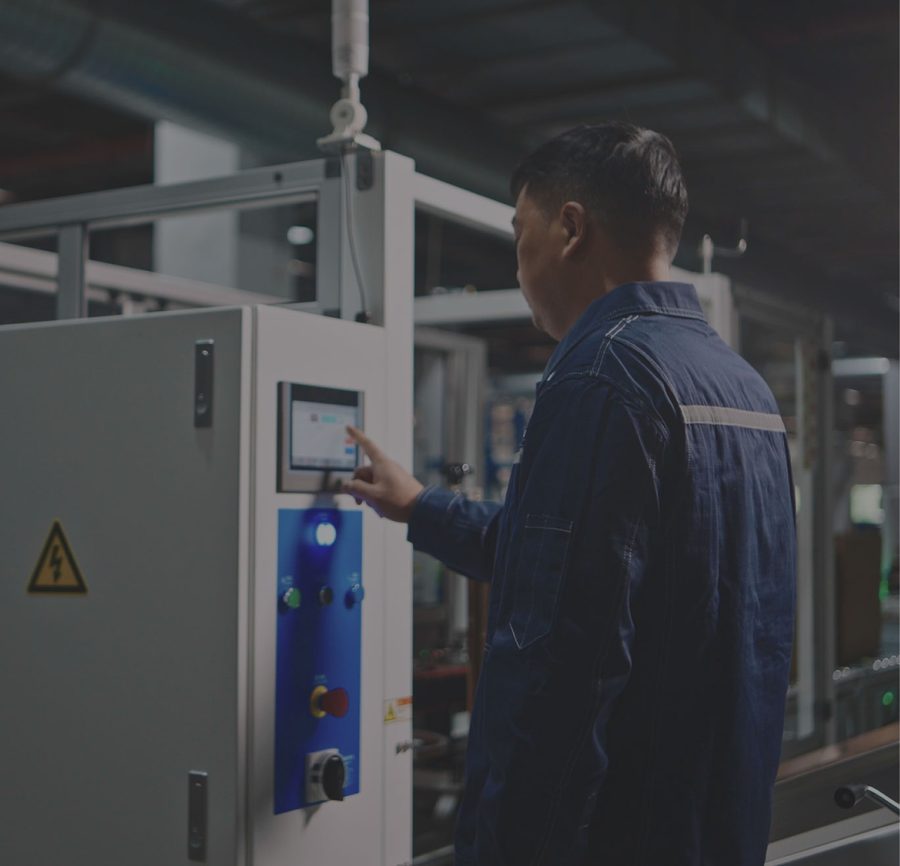
Precision Production
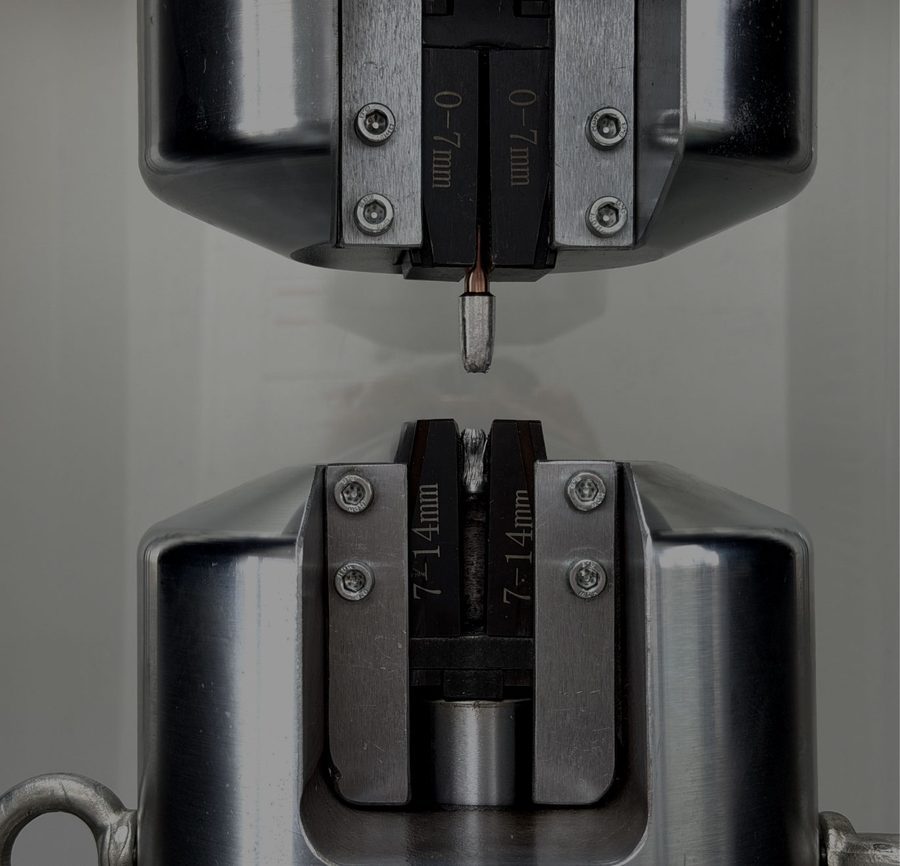
Testing & Validation
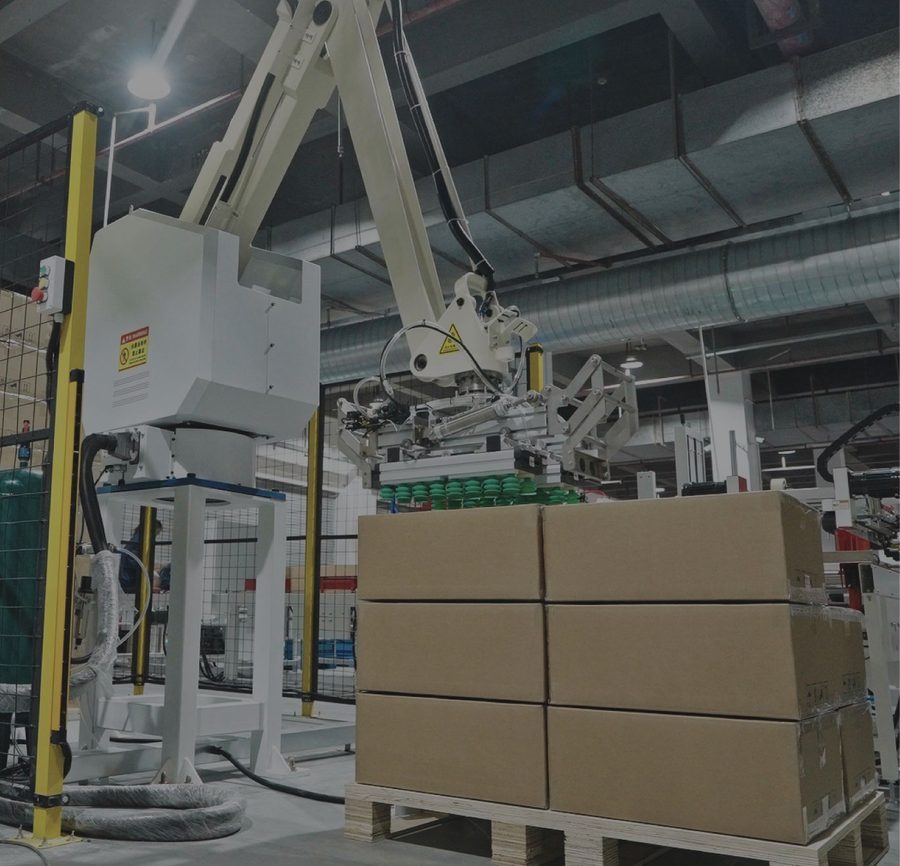
Packaging & Delivery
Trusted by Solar Projects Globally
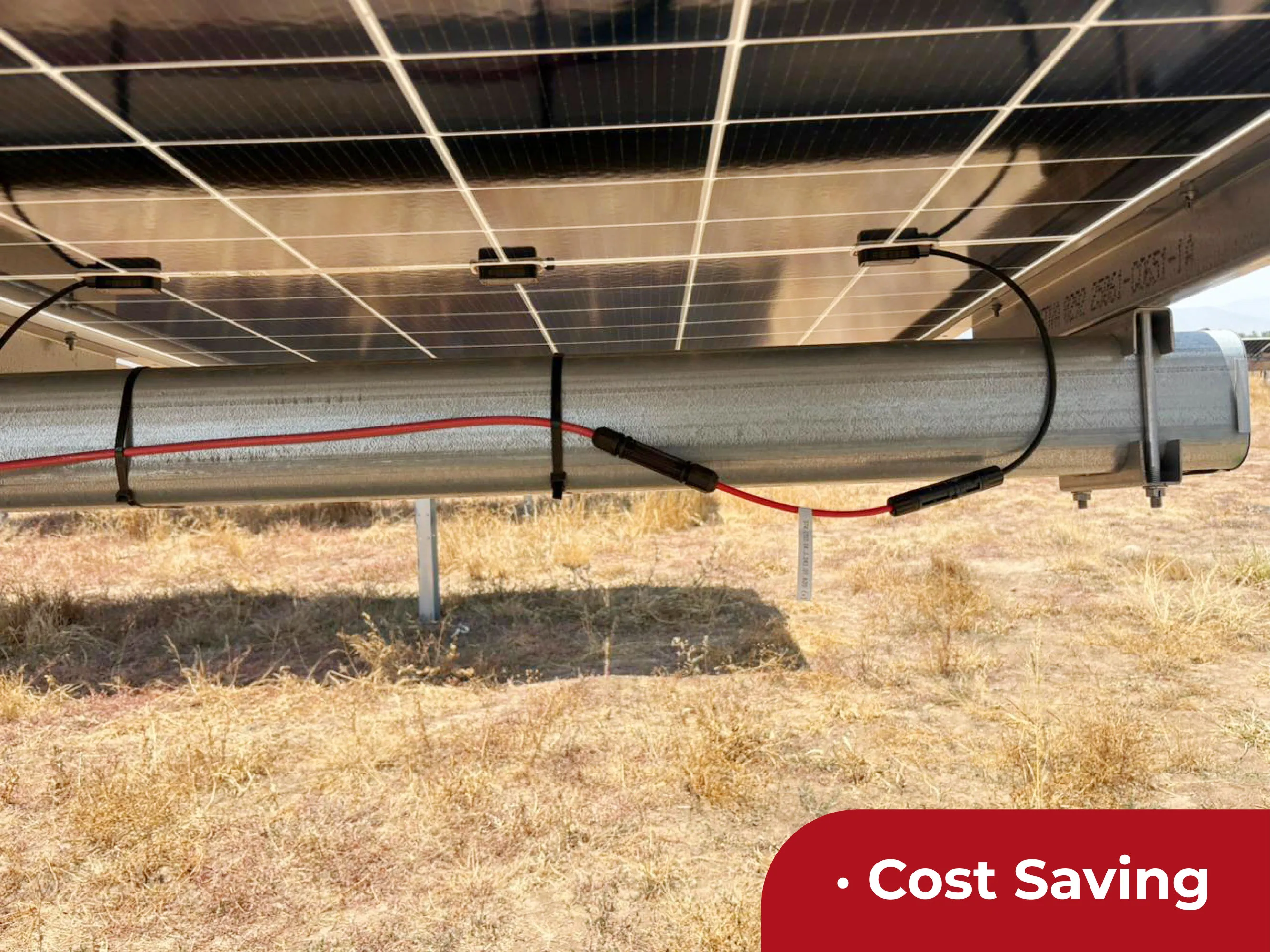
PV Las Violets (Chile)
Reduced cable costs while ensuring stable long-term performance
- 852 sets CU-AL connectors deployed
- 51 km aluminum cable installed
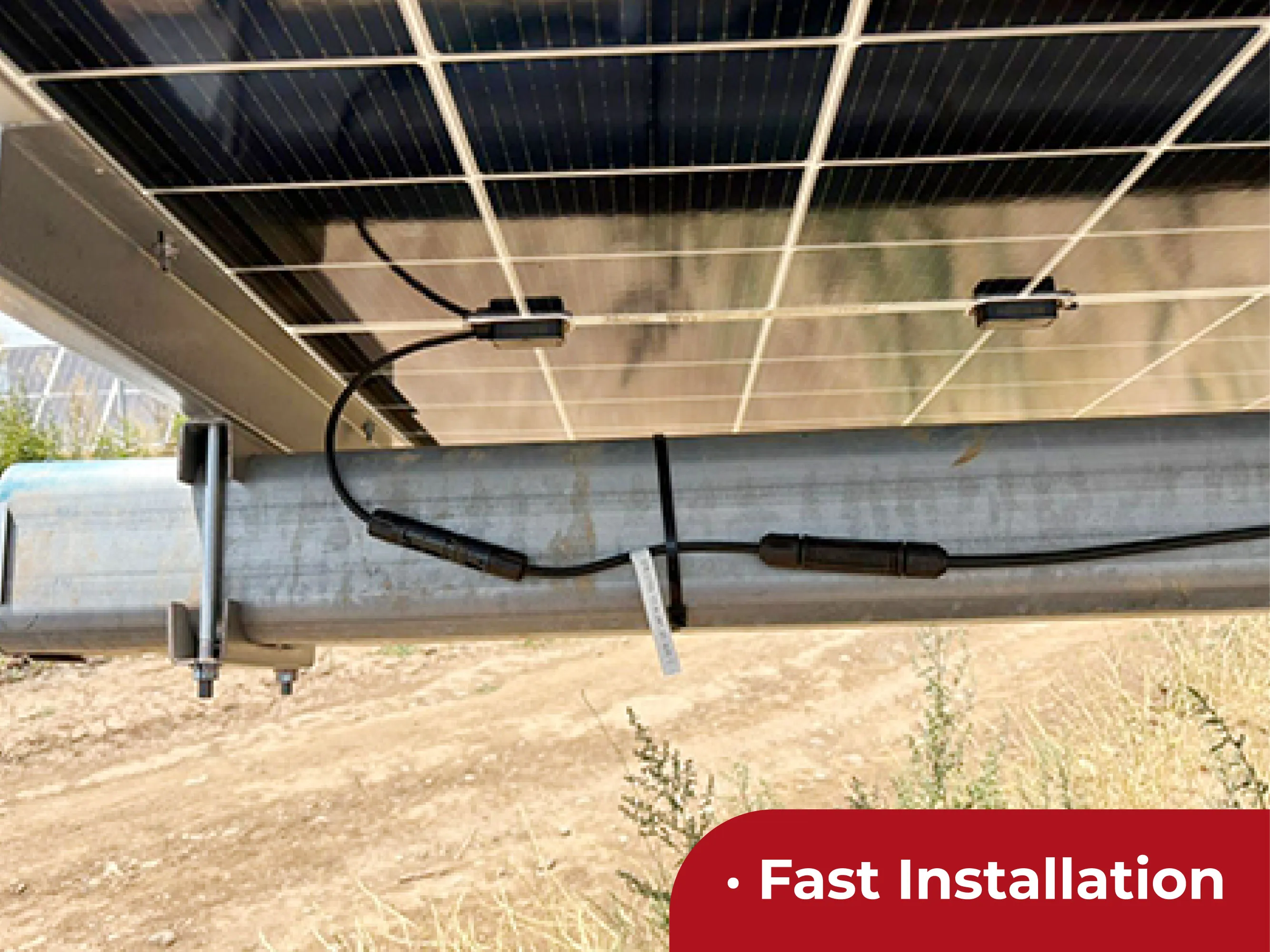
PV Los Quilos (Chile)
Improved installation efficiency with reliable copper-aluminum connections
- 1,481 sets CU-AL connectors deployed
- 112 km aluminum cable installed
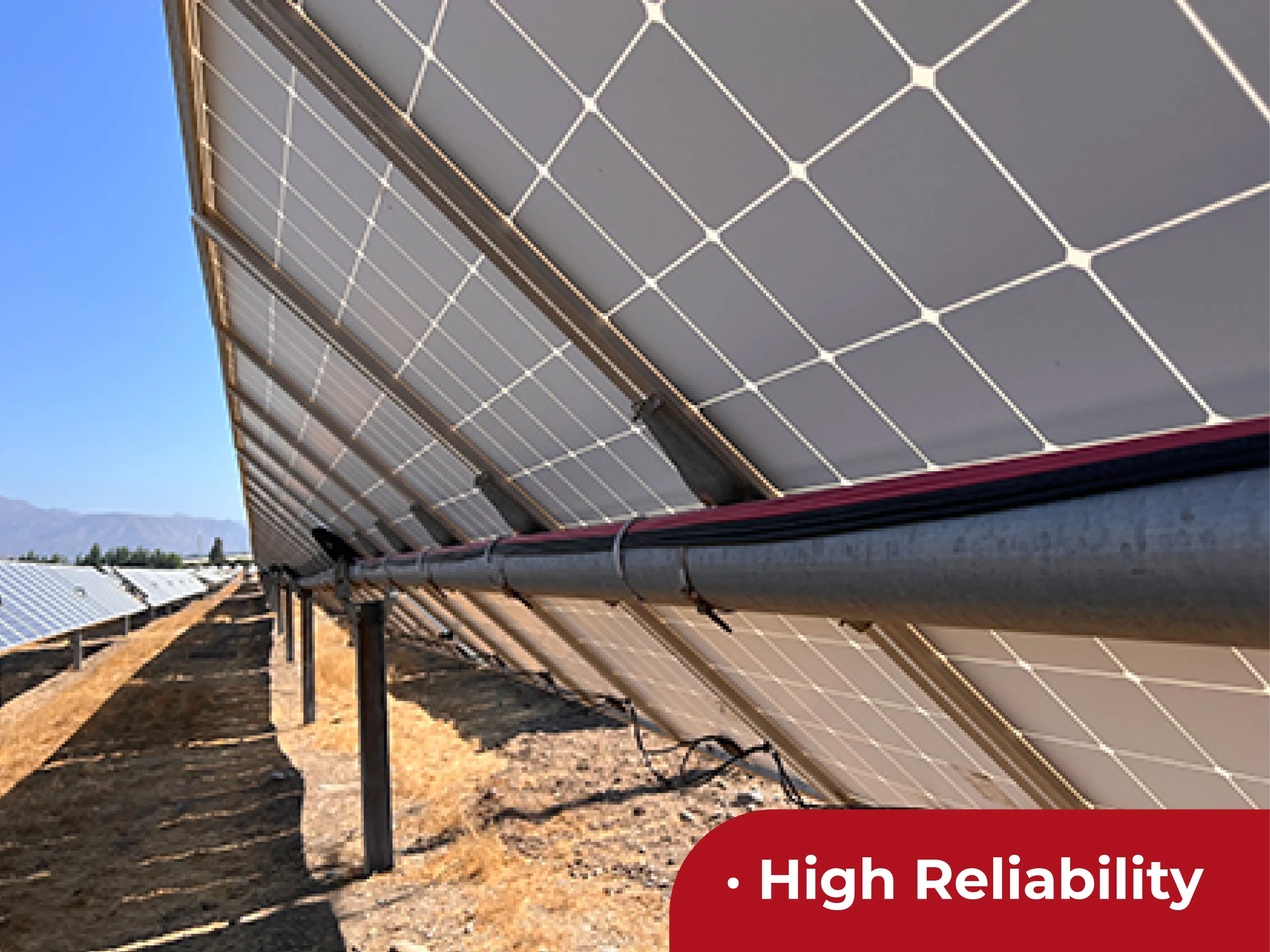
Chile Solar Farm
Enabled large-scale deployment with consistent connection quality
- 6,000 sets CU-AL connectors deployed
- 120 km aluminum cable installed
Frequently Asked Questions
How much cost savings can SUNKEAN’s copper-to-aluminum connection solution deliver?
Compared to a full-copper system, this solution reduces costs by up to 58%. In a 1 GW PV power plant project, the savings can exceed USD 2,750,000.
How is SUNKEAN's copper-to-aluminum conversion harness designed to ensure stability and safety?
The harness uses a "copper–aluminum–copper" structure: copper conductors on both ends with an aluminum conductor in the middle, plus a plastic connector housing. It supports high currents and allows quick on-site crimping at the aluminum end for simplified installation.
What welding process is used for the copper-to-aluminum joint, and how reliable is it?
The connection adopts friction welding (solid-state bonding), which operates at low temperatures to minimize thermal damage to the cable. Over 25 years, conductivity degradation is less than 0.5%. The tensile strength is verified through pull and impact testing.
How does the copper-to-aluminum connector maintain corrosion resistance in harsh environments?
The joint surface is protected by a three-layer gradient structure: diffusion layer, chemical nickel plating layer, and hot-dipped tin anti-oxidation layer. An electroplating hole design ensures uniform coating. In a 96-hour 5% salt spray test, no corrosion occurred in the contact area.