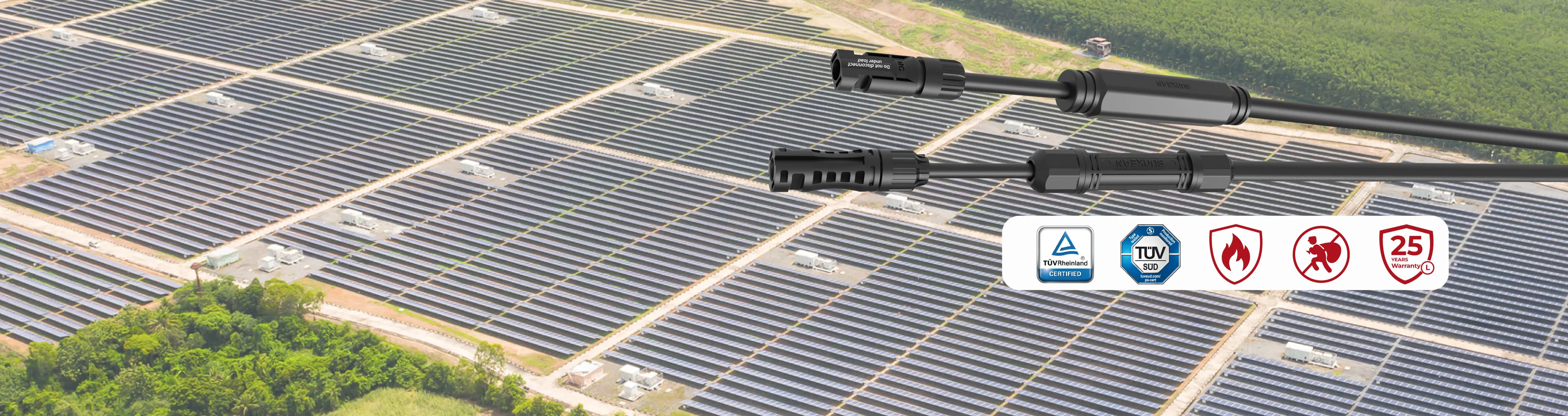
Why Use Aluminum Cables in Solar Projects
Lower Cost
Up to 30-50% lower cost than copper
Easy Installation
Lightweight, easier installation
Theft Resistant
Lower theft risk due to lower scrap value
Utility-Scale Ready
Suitable for large-scale PV plants
Copper-to-Aluminum Connection Solution
From PV strings to inverter connections, SUNKEAN provides a complete factory-engineered DC collection solution for utility-scale solar plants.
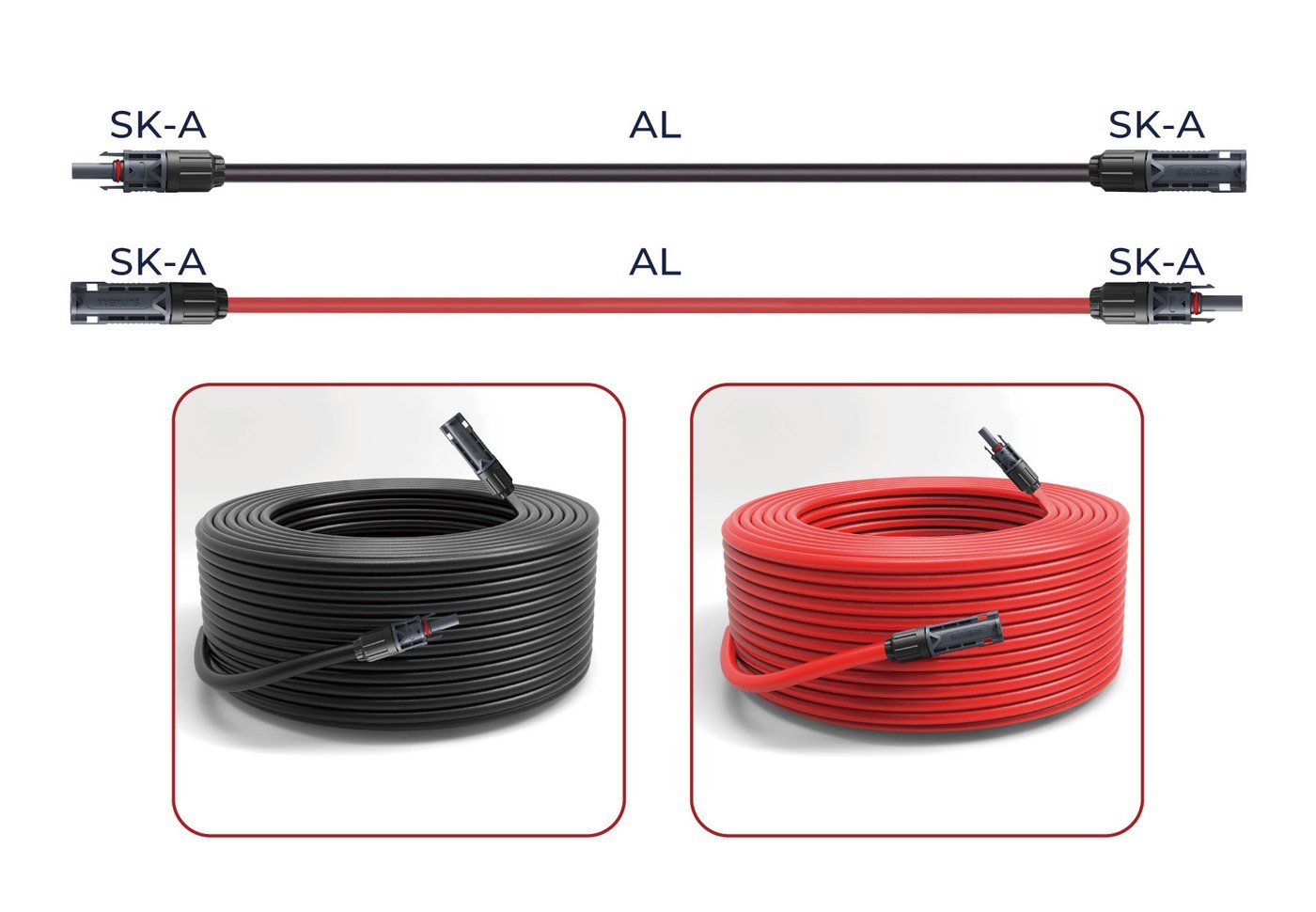
SK-A Copper-Aluminum Jumper Solution
The Cu-Al Jumper is a pre-assembled connection solution designed for DC-side connectivity in PV systems. It enables flexible connections between different connector brands while providing a reliable transition between copper and aluminum conductors.
- Plug-and-Play Installation
- Cost-Effective
- Reliable Performance
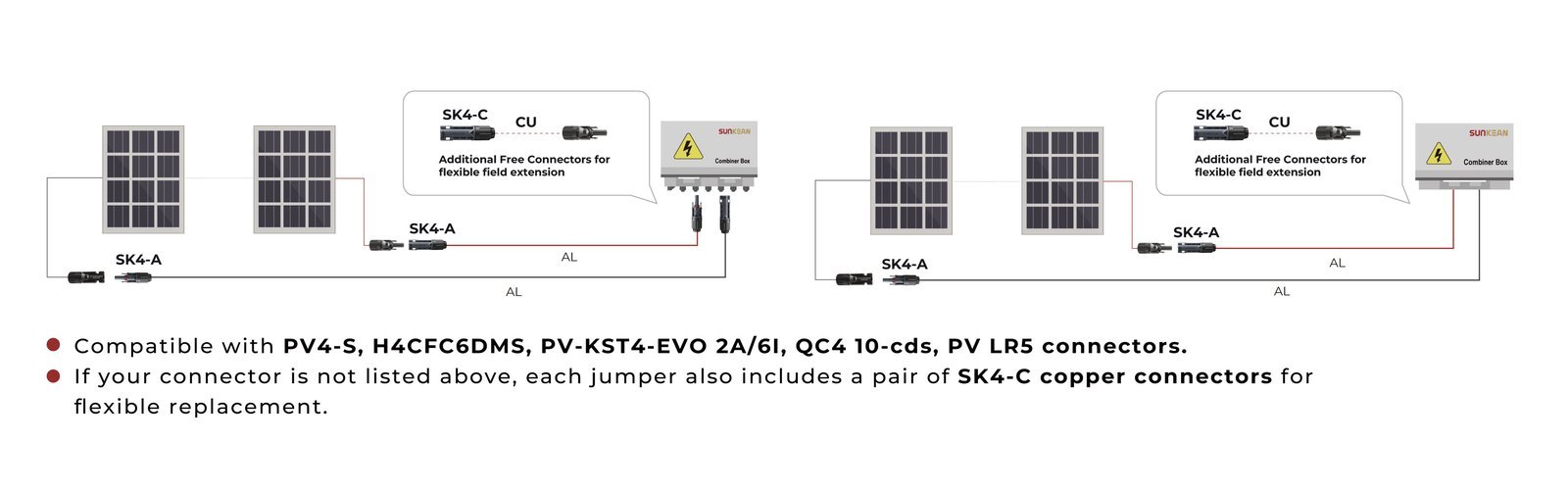
Application Example
The solution is compatible with PV4-S, H4CFC6DMS, PV-KST4-EVO 2A/6I, QC4 10-cds, and PV LR5 connectors. If your existing connector is not one of these types, each jumper comes with a pair of SK4-C copper connectors, making it easy to adapt the solution to different connector requirements.
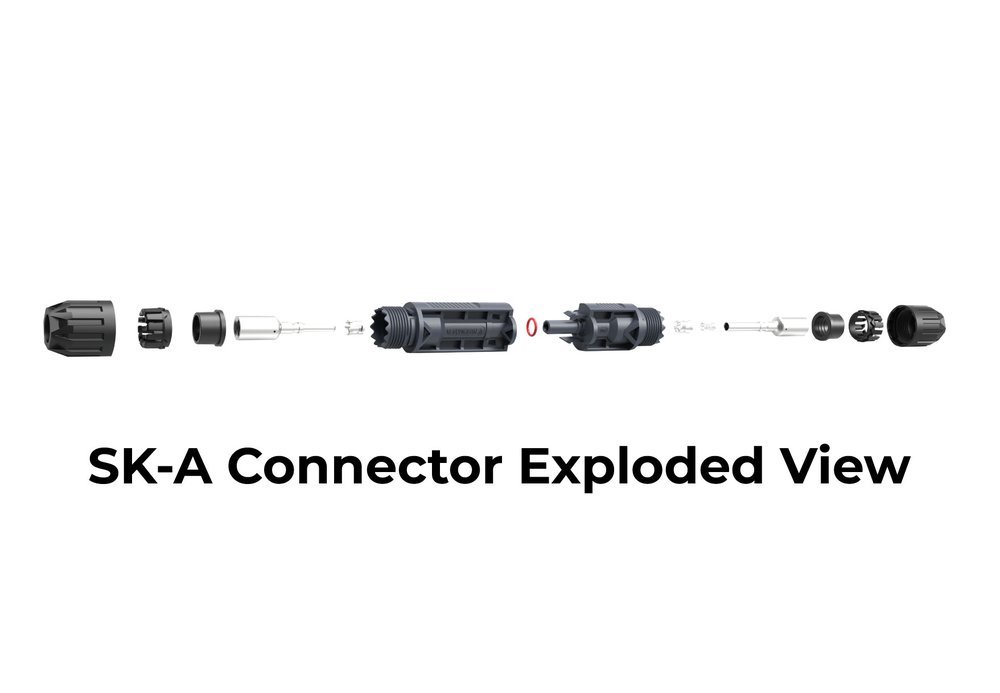
Key Technology
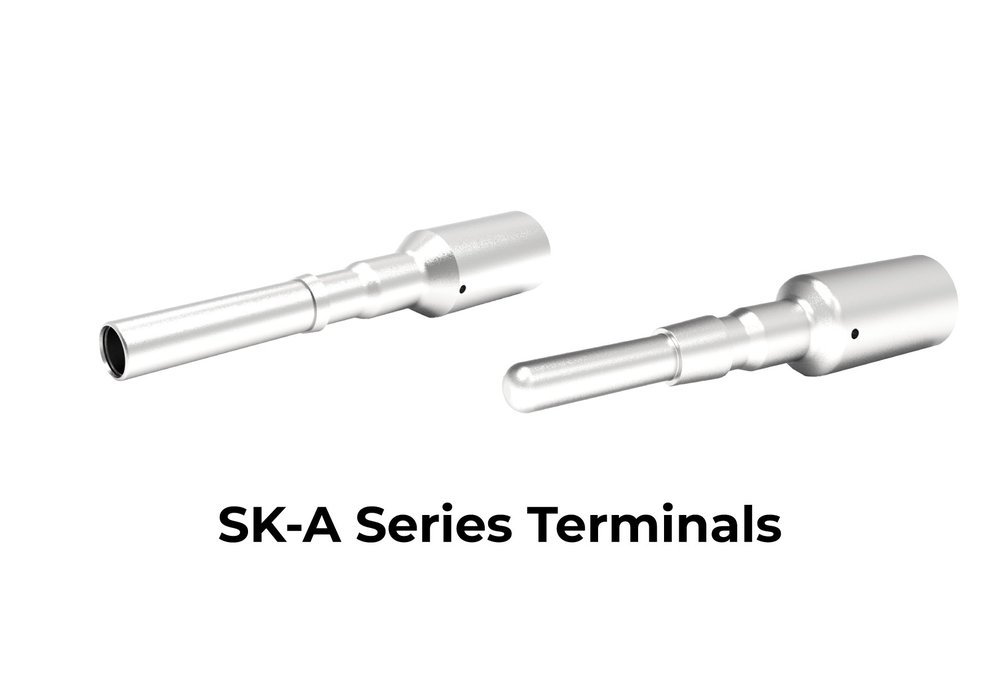
The SK-A connector's strong adaptability stems from its precision-engineered internal terminal components. Designed to accommodate different connection requirements, these components ensure a secure and reliable electrical connection while maintaining consistent contact performance.
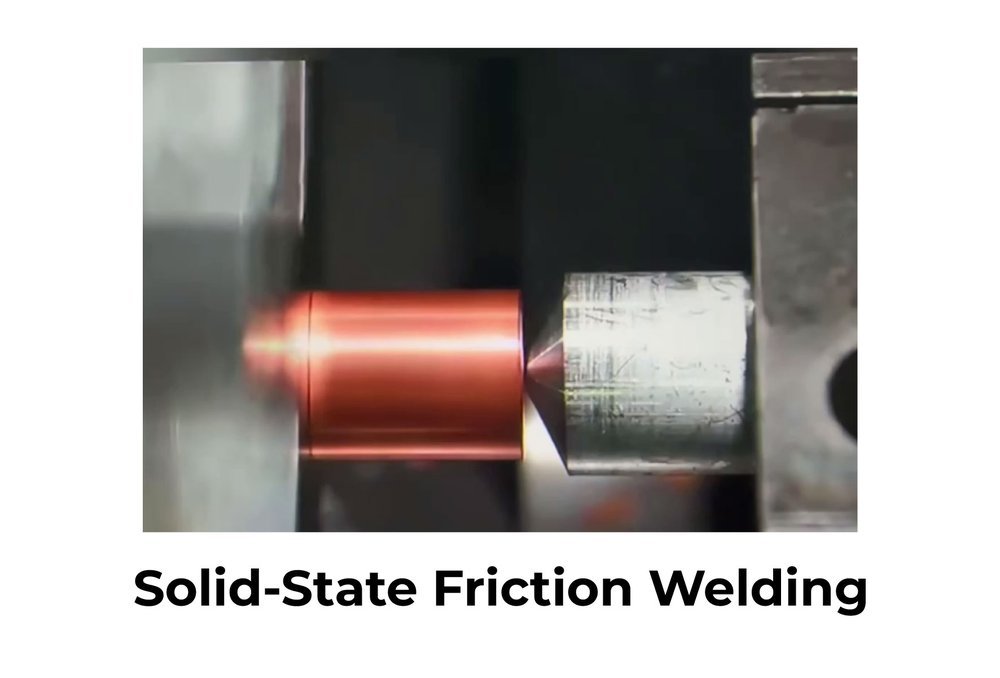
SUNKEAN is among the first to mass-produce friction-welded copper-aluminum terminals. High-speed friction and pressure bond the metals below their melting points, eliminating the melt and expansion issues of fusion welding. A multi-layer plating cuts ionic migration by ~90%, with contact resistance ≤ 0.3 mΩ for reliable outdoor service.
SUNKEAN's copper-aluminum connector terminals use a high-performance multi-layer protective plating. Working together, the layers strengthen protection on three fronts — interface isolation, surface stability, and environmental durability — reducing the effects of humidity, heat, and salt spray on the connection area and keeping conductivity stable over the long term.
Trunk System™
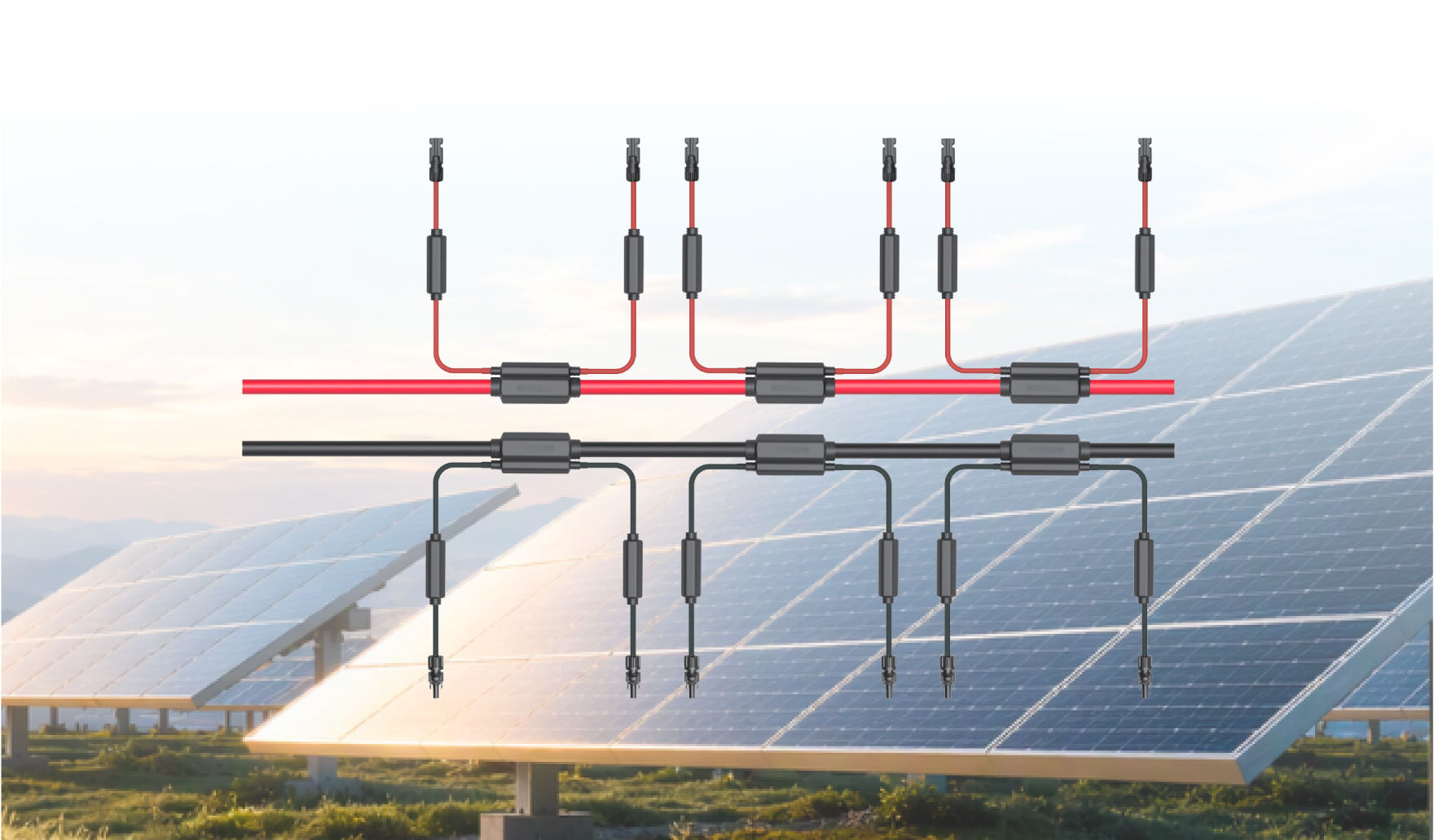
Modular trunk systems simplify DC power collection with flexible layouts, fewer cable runs, and dependable long-term performance.
- Modular Design
- Simplified Cable Routing
- High-current Capacity
- Reliable Operation
Manufacturing Excellence
Advanced Equipment
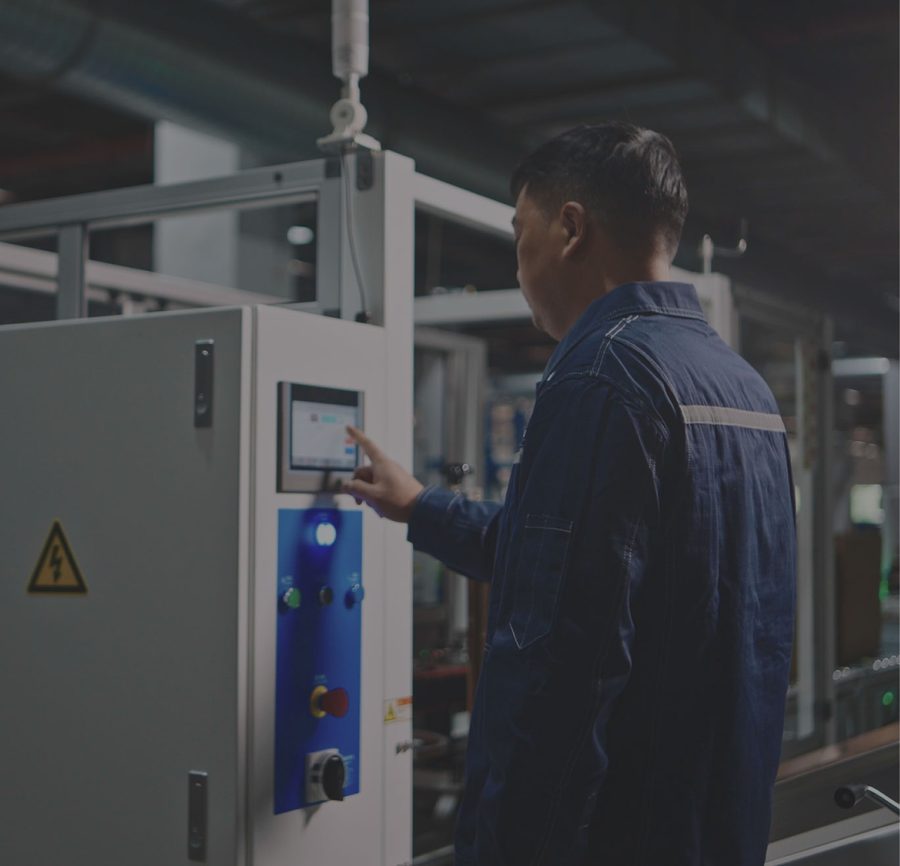
Precision Production
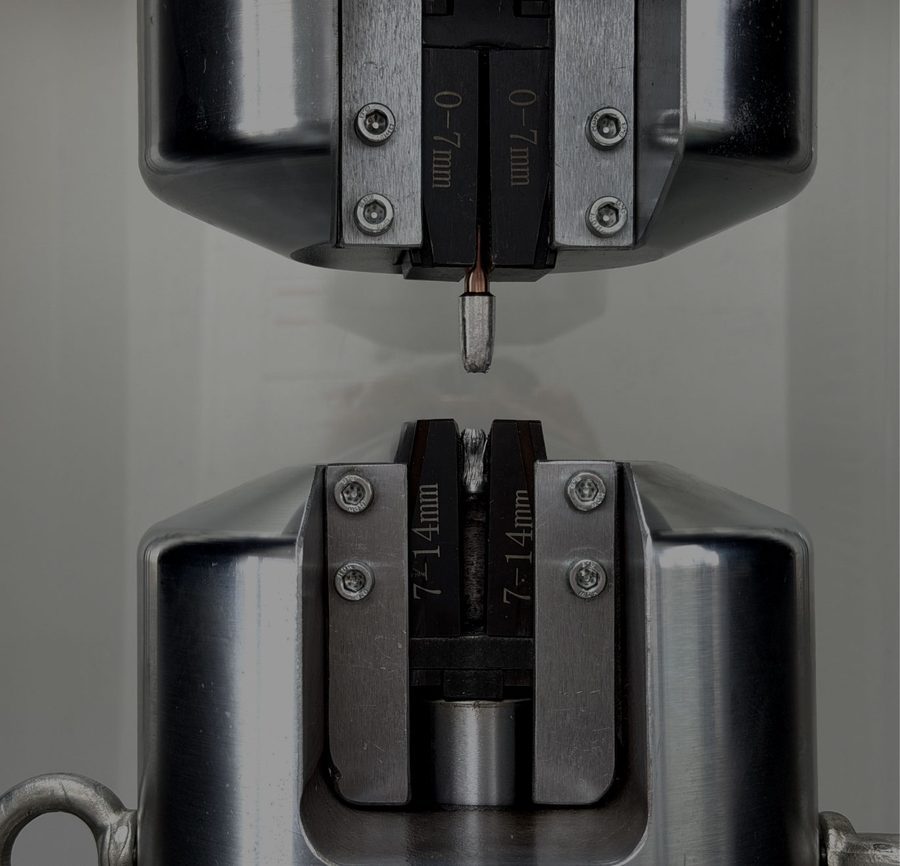
Testing & Validation
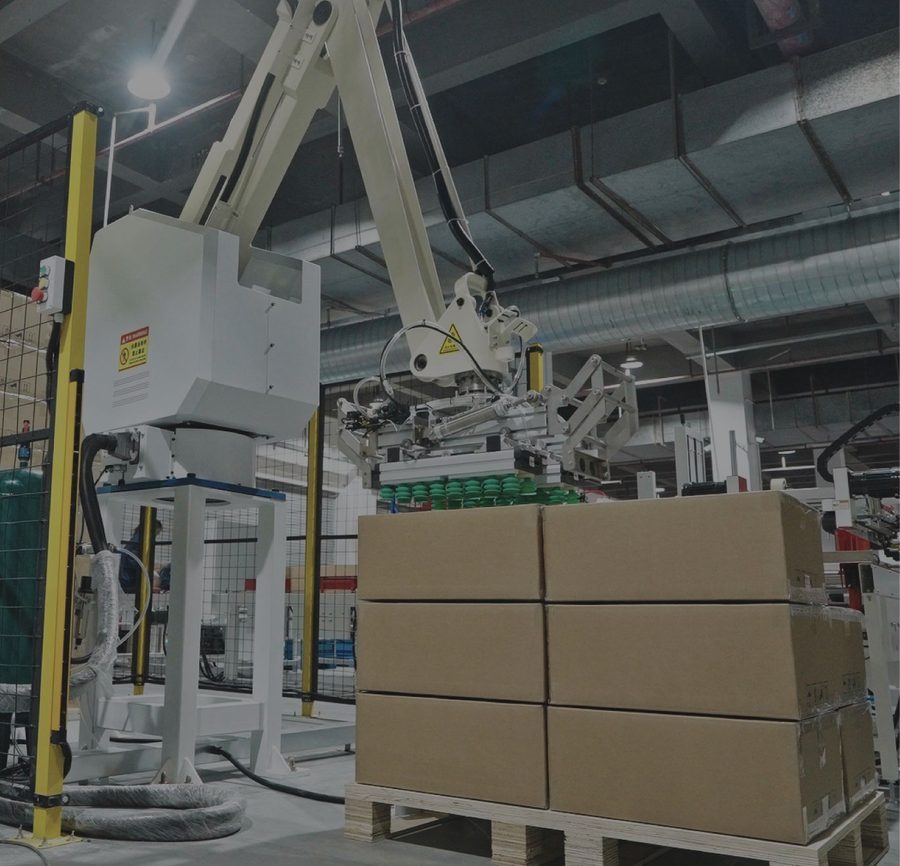
Packaging & Delivery
Trusted by Solar Projects Globally
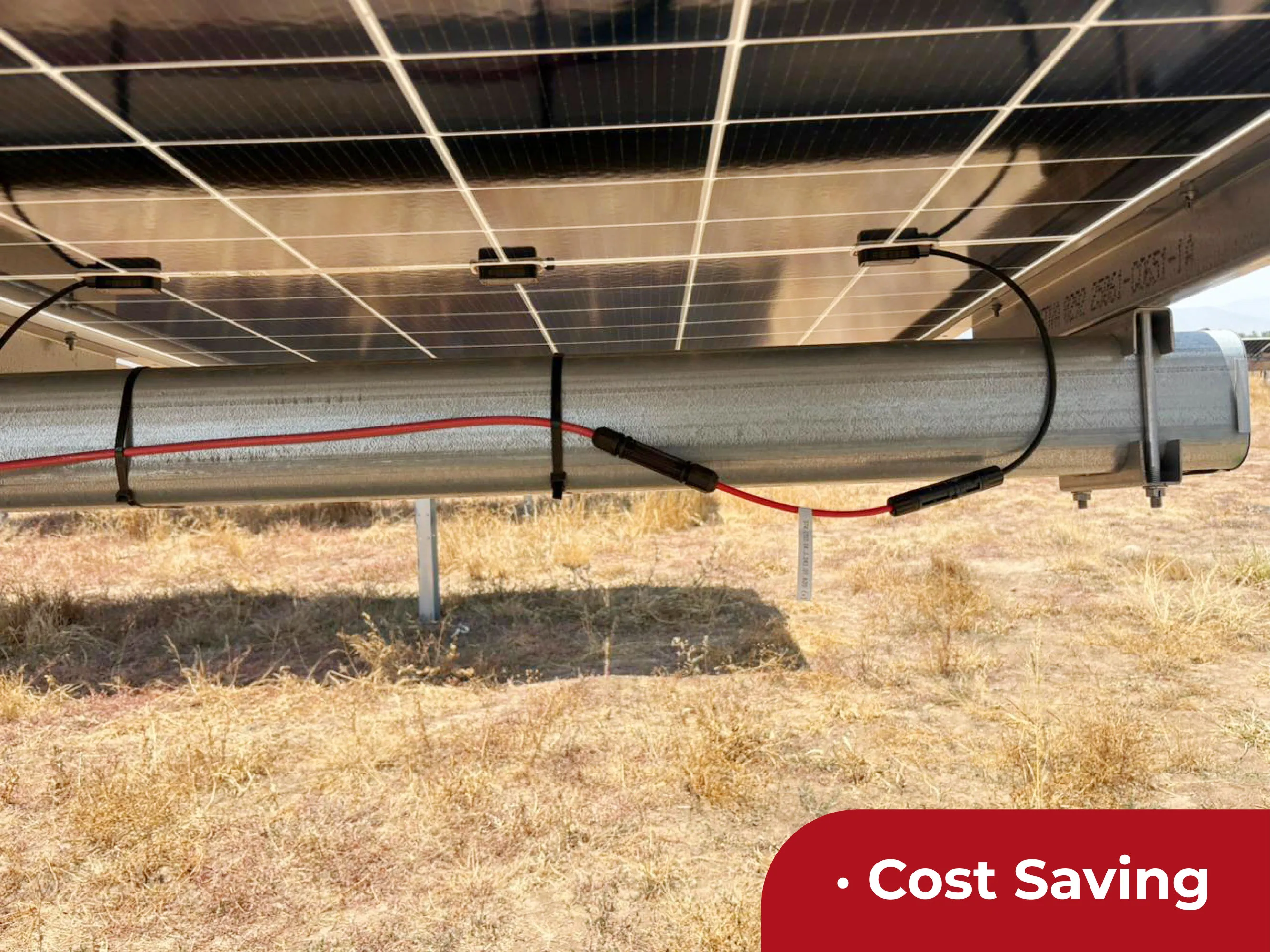
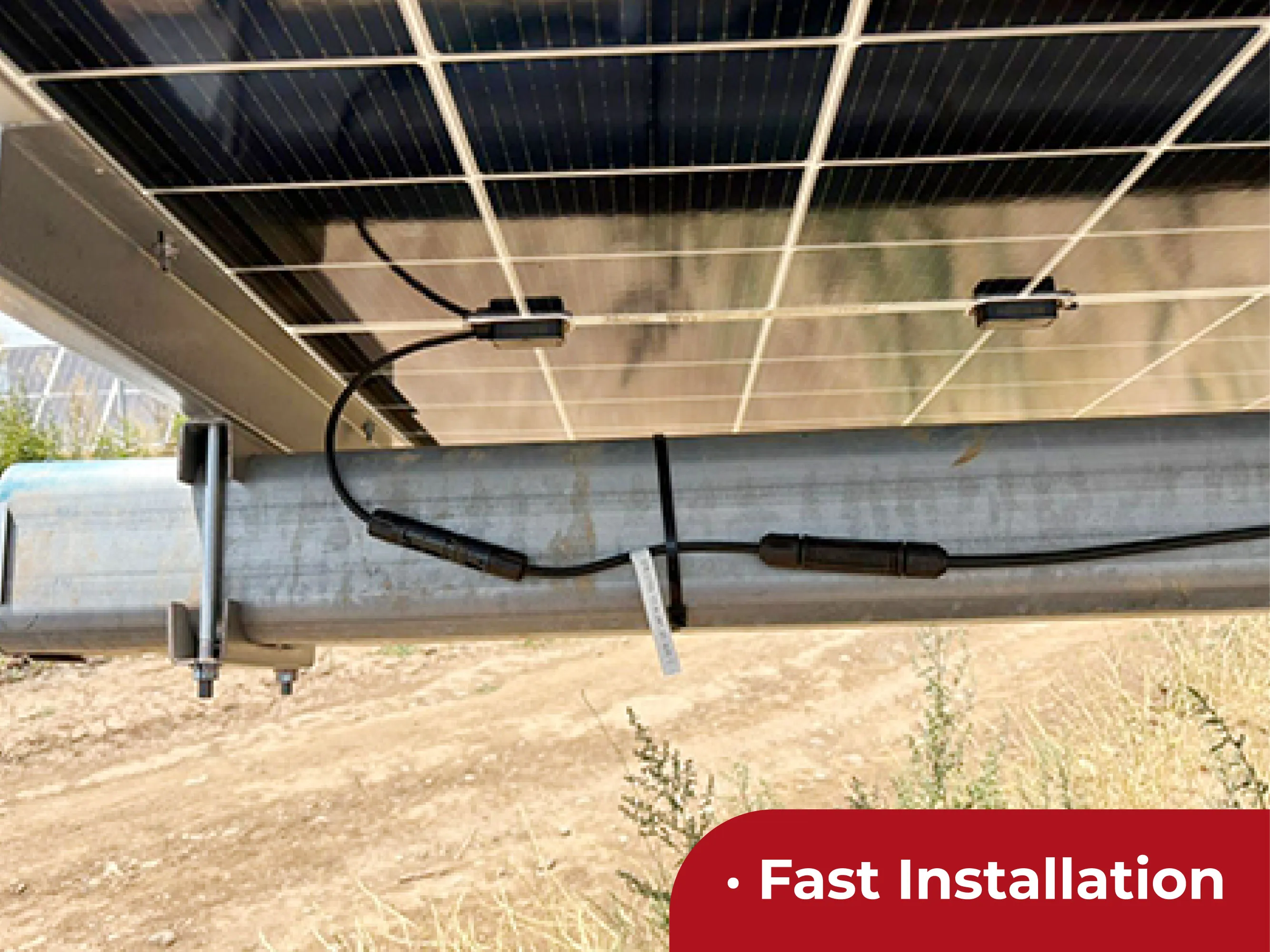
PV Las Violets (Chile)
Reduced cable costs while ensuring stable long-term performance
- 852 sets CU-AL connectors deployed
- 51 km aluminum cable installed
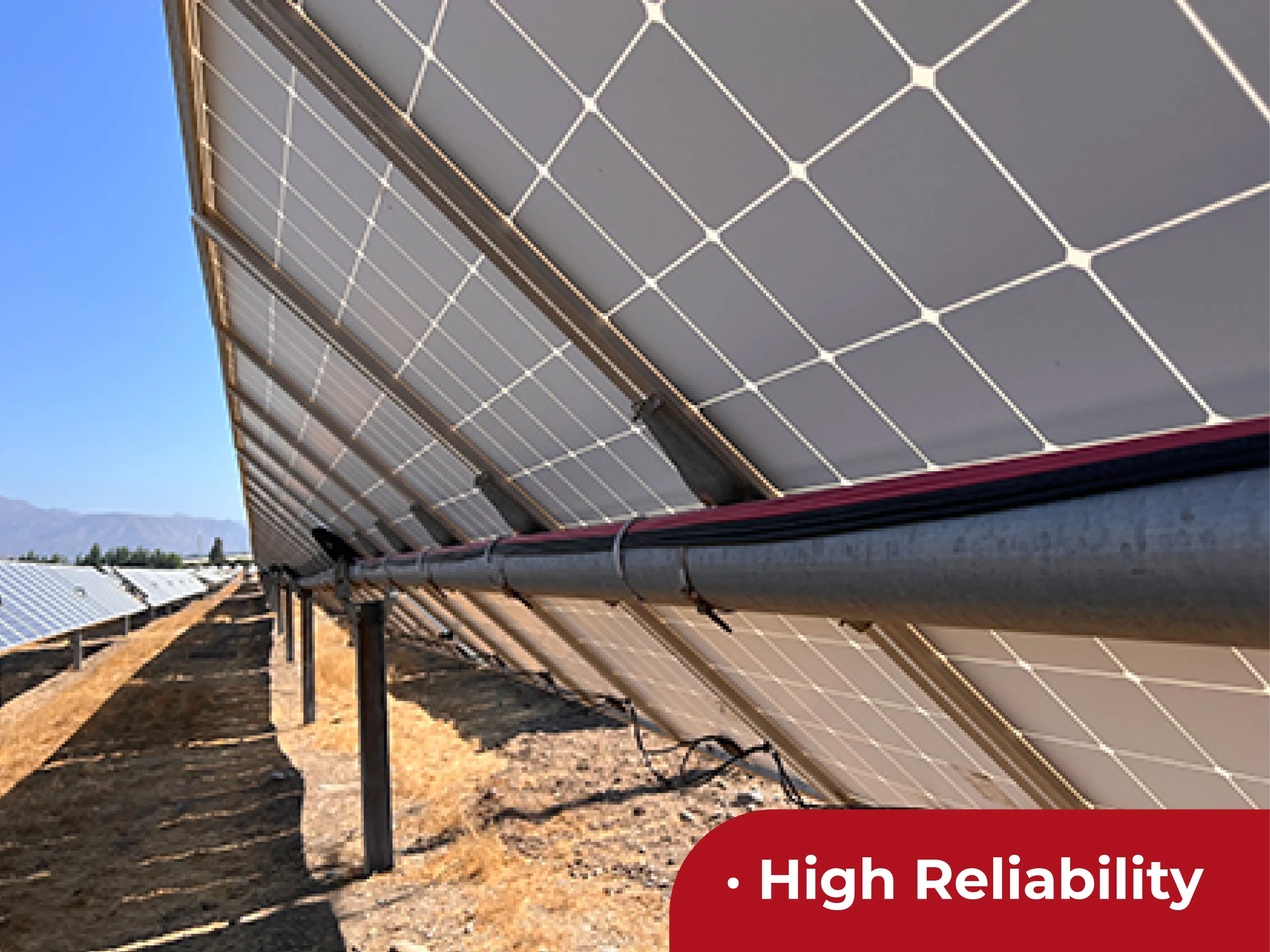
PV Los Quilos (Chile)
Improved installation efficiency with reliable copper-aluminum connections
- 1,481 sets CU-AL connectors deployed
- 112 km aluminum cable installed
Chile Solar Farm
Enabled large-scale deployment with consistent connection quality
- 6,000 sets CU-AL connectors deployed
- 120 km aluminum cable installed
Frequently Asked Questions
How much cost savings can SUNKEAN’s copper-to-aluminum connection solution deliver?
Compared to a full-copper system, this solution reduces costs by up to 58%. In a 1 GW PV power plant project, the savings can exceed USD 2,750,000.
How is SUNKEAN's copper-to-aluminum conversion harness designed to ensure stability and safety?
The harness uses a "copper–aluminum–copper" structure: copper conductors on both ends with an aluminum conductor in the middle, plus a plastic connector housing. It supports high currents and allows quick on-site crimping at the aluminum end for simplified installation.
What welding process is used for the copper-to-aluminum joint, and how reliable is it?
The connection adopts friction welding (solid-state bonding), which operates at low temperatures to minimize thermal damage to the cable. Over 25 years, conductivity degradation is less than 0.5%. The tensile strength is verified through pull and impact testing.
How does the copper-to-aluminum connector maintain corrosion resistance in harsh environments?
The joint surface is protected by a three-layer gradient structure: diffusion layer, chemical nickel plating layer, and hot-dipped tin anti-oxidation layer. An electroplating hole design ensures uniform coating. In a 96-hour 5% salt spray test, no corrosion occurred in the contact area.