How to Stop Mice from Chewing Electrical Cables (Proven Solutions)
- Share
- Issue Time
- Oct 31,2024
Summary
Rodents chewing cables can cause fire risks and costly downtime.
Discover the best rodent-resistant cable types, materials, and solutions for solar and industrial systems.
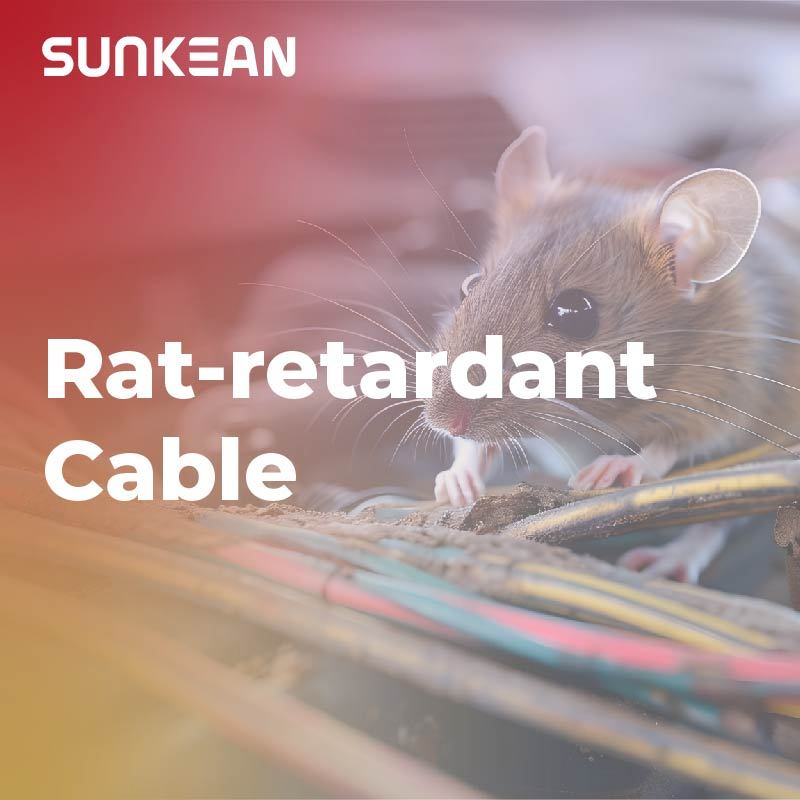
Best Rodent-Resistant Cables for Solar & Industrial Use (2026 Guide)
Rodent damage to electrical cables is a serious issue in solar farms, industrial facilities, and infrastructure projects. Chewed insulation can lead to short circuits, fire hazards, and costly downtime.
The most effective solution is using rodent-resistant cables designed with reinforced materials and protective structures.
In this guide, we’ll explain the best cable types, materials, and practical solutions to prevent mice and rats from damaging your electrical systems.
Why Do Rodents Chew Electrical Cables?

Rodents such as mice and rats constantly gnaw to keep their teeth from overgrowing. Electrical cables are especially vulnerable because:
👉 Insulation materials are relatively soft
👉 Warm environments attract rodents
👉 Cables are often installed in hidden or underground areas
👉 This makes cable systems in solar plants, warehouses, and data centers high-risk zones.
Best Rodent-Resistant Cable Types (Quick Answer)
👉 If you just want the answer, these are the most effective options:
✅ 1. Steel Armored Cables
Metal layer prevents physical damage
Ideal for underground and outdoor installations
Widely used in solar farms
✅ 2. Nylon / Reinforced Sheath Cables
Harder outer jacket resists chewing
Lightweight and flexible
✅ 3. Chemical Rodent-Repellent Cables
Special compounds deter rodents
Suitable for controlled environments
Different materials provide different levels of protection:
| Material | Rodent Resistance | Application |
| Steel armor | ⭐⭐⭐⭐⭐ | Underground / harsh environments |
| XLPE / reinforced insulation | ⭐⭐⭐⭐ | Industrial & PV systems |
| PVC (standard) | ⭐⭐ | Low protection |
Repellent additives | ⭐⭐⭐ | Supplemental protection |
Conclusion:
For critical infrastructure, armored or reinforced cables are the safest choice.
How to Prevent Rodent Damage (Beyond Cable Selection)
Using the right cable is only part of the solution. Combine with:
● Physical Protection
- Conduits or cable trays
- Sealed cable routing
● Installation Design
- Avoid exposed wiring
- Elevate cables where possible
● Environmental Control
- Reduce food sources
- Maintain clean surroundings

Rodent Protection in Solar Power Systems
Rodent damage is especially common in solar PV plants, where cables are:
● Installed outdoors
● Exposed to soil and vegetation
● Spread across large areas
● Risks include:
● Power loss
● Fire hazards
● High maintenance costs
👉 This is why many EPCs now specify rodent-resistant solar cables as standard.
Recommended Solution for Industrial & PV Projects
How Are Rodent-Resistant Cables Designed?
Rodent-resistant cables are specifically engineered to prevent damage caused by mice and rats. Unlike standard cables, they use multi-layer protection, reinforced materials, and deterrent technologies to reduce the risk of gnawing.
👉 Key Design Features (Quick Answer)
The most effective rodent-resistant cables typically include:
- Bittering agents to deter chewing
- Reinforced insulation for physical protection
- Metallic armor layers to block penetration
- Specialized outer materials that resist damage
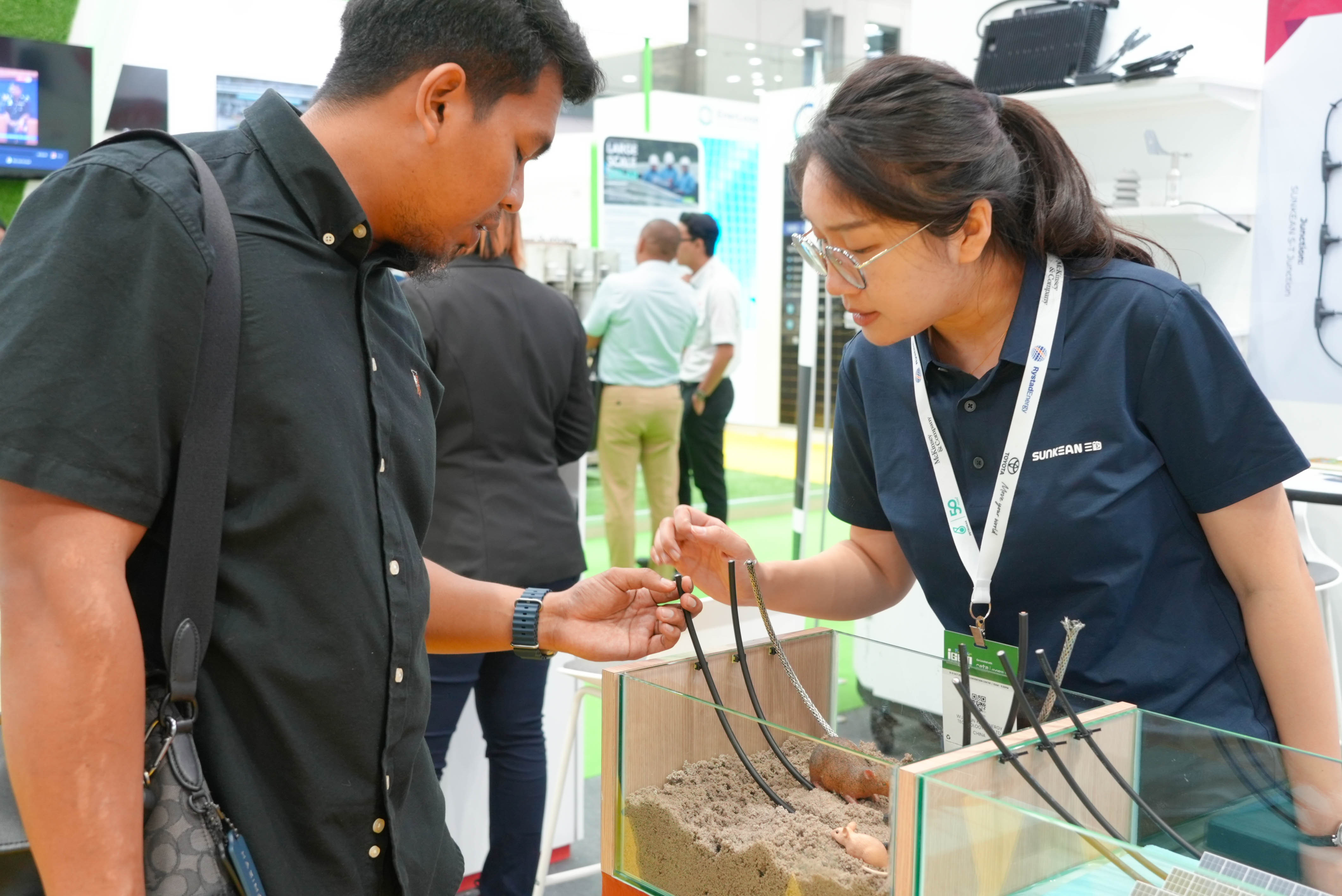
SUNKEAN 3-Layer Rodent-Proof Cable Solution
SUNKEAN adopts a three-dimensional protection design, combining multiple technologies into one integrated solution:
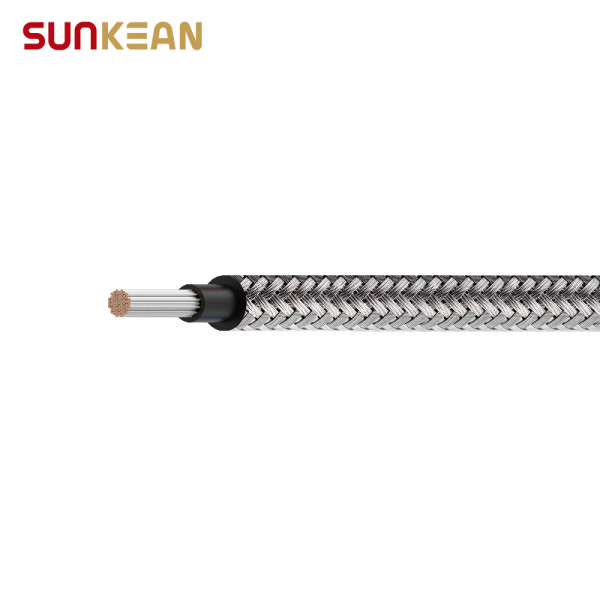
Chemical coating layer – incorporates repellent compounds to discourage rodents
Nylon braided layer – enhances mechanical strength and resistance to gnawing
Steel tape armor layer – provides a physical barrier against penetration
👉 This multi-layer approach ensures both deterrence + resistance, making it suitable for demanding environments such as solar plants and industrial systems.
(The image on the left shows SUNKEAN presenting rodent-proof cable solutions at the IGEM Energy Exhibition in Malaysia.)
Bittering Agents (Chemical Protection)
Some cables include bitter-tasting additives in the outer sheath.
● Creates an unpleasant taste for rodents
● Reduces repeated chewing behavior
● Especially effective in high rodent activity areas
👉 This is a preventive layer, not a standalone solution.
Enhanced Insulation (Structural Protection)
Rodent-resistant cables typically feature:
● Thicker insulation layers
● High-strength materials such as nylon
● Improved wear and tear resistance
👉 This makes cables significantly harder to damage compared to standard PVC insulation.
Reinforced & Armored Design (Physical Protection)
Many high-performance cables include:
● Steel tape armor
● Metallic shielding layers
● Multi-layer structural reinforcement
👉 These designs provide maximum protection in harsh environments, including underground and outdoor installations.
Conductor: 1.5~400mm²
Insulation Color: Optional color
Jacket Color: Optional color
Conductor: 1.5~400mm²
Insulation Color: Optional color
Jacket Color: Optional color
Conductor: 1.5~400mm²
Insulation Color: Optional color
Jacket Color: Optional color

Conductor: 1×1.5~400mm²
Insulation Color: Optional color
Jacket Color: Optional color
Where Are Rodent-Resistant Cables Most Needed?
Rodent damage can occur in many environments, but the impact is especially severe in high-value and critical infrastructure scenarios.
Factories, Warehouses & Processing Plants
Rodents are a major concern in industrial environments due to:
● Large spaces and hidden areas
● Abundant food sources
● Complex electrical systems
Why It Matters:
✔ High Equipment Costs
Damage to wiring can lead to expensive repairs and downtime.
✔ Operational Efficiency
Cable failures can halt production lines and disrupt workflows.
✔ Safety Risks
Rodent damage may cause short circuits or fire hazards.
👉 Conclusion:
Using rodent-resistant cables is a cost-effective way to protect both equipment and operations.
Residential & Commercial Buildings in High-Risk Areas
Homes, apartments, and offices—especially those with:
● Crawl spaces
● Basements
● Attics
are highly vulnerable to rodent activity.
Key Benefits:
✔ Protection in Hidden Spaces
Rodents often damage wiring where detection is difficult.
✔ Improved Safety
Reduces risk of electrical fires and exposed wiring.
✔ Peace of Mind
Minimizes ongoing concerns about hidden damage.
✔ Higher Property Value
Demonstrates better infrastructure quality and safety.
Railways, Subways & Utility Infrastructure
Rodents pose a serious threat to critical infrastructure systems, including:
● Railways and metro systems
● Power distribution networks
● Telecommunications systems
Why Rodent Protection Is Critical:
✔ Minimizing Service Interruptions
Cable damage can disrupt transport systems and affect thousands of users.
✔ Infrastructure Reliability
Utility failures can lead to power outages and communication breakdowns.
✔ Long-Term Cost Savings
Preventing damage is far more economical than repeated repairs.
Conclusion
Rodent damage is not just a maintenance issue—it’s a risk to safety, reliability, and long-term costs.
By combining:
✔ Advanced materials
✔ Reinforced structures
✔ Proven design strategies
rodent-resistant cables provide a durable and cost-effective solution across industries.
👉 For projects such as solar power plants, industrial facilities, and infrastructure systems, selecting the right cable solution can significantly reduce failure rates and maintenance costs.
Looking for reliable rodent-resistant cable solutions for your project?
SUNKEAN provides high-performance cables designed for solar, industrial, and infrastructure applications — with proven durability, customized solutions, and global project experience.
👉 Contact our team for technical consultation or product recommendations,
or simply send us your project requirements:
Email: sales@sunkean.com
Tel: +86 0510-81083036
WhatsApp: 17252867971