Energy Storage Cable Selection Guide: Balancing Ampacity, Temperature Rise and Safety Margin
- Share
- Issue Time
- May 27,2026
Summary
Learn how to select the right energy storage cable by balancing ampacity, temperature rise, and safety margin.
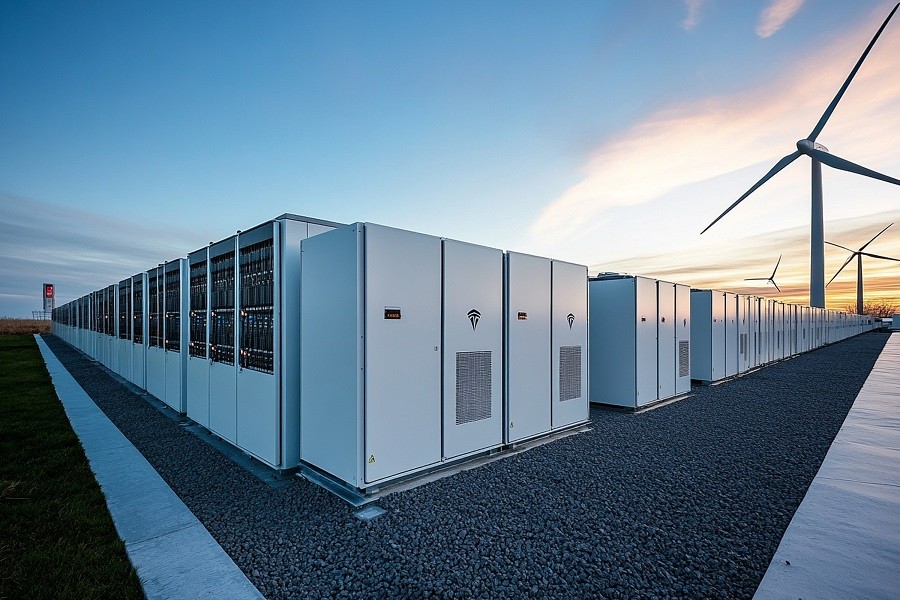
As battery energy storage systems (BESS) continue to expand across utility-scale, commercial & industrial (C&I), and renewable energy applications, cable selection has become a critical engineering consideration. While batteries, PCS units, and EMS platforms often receive the most attention, improperly selected energy storage cables can become hidden weak points that compromise system efficiency, reliability, and safety.
A cable that is undersized may suffer excessive temperature rise, accelerated insulation aging, voltage drop issues, and even fire risks. Conversely, an oversized cable can significantly increase project costs without delivering proportional benefits. The challenge for engineers is finding the optimal balance between ampacity, operating temperature, and safety margin.
This guide explores the key factors behind energy storage cable sizing and explains how to select cables that deliver reliable long-term performance while maintaining cost-effectiveness.
Why Energy Storage Cable Selection Matters?
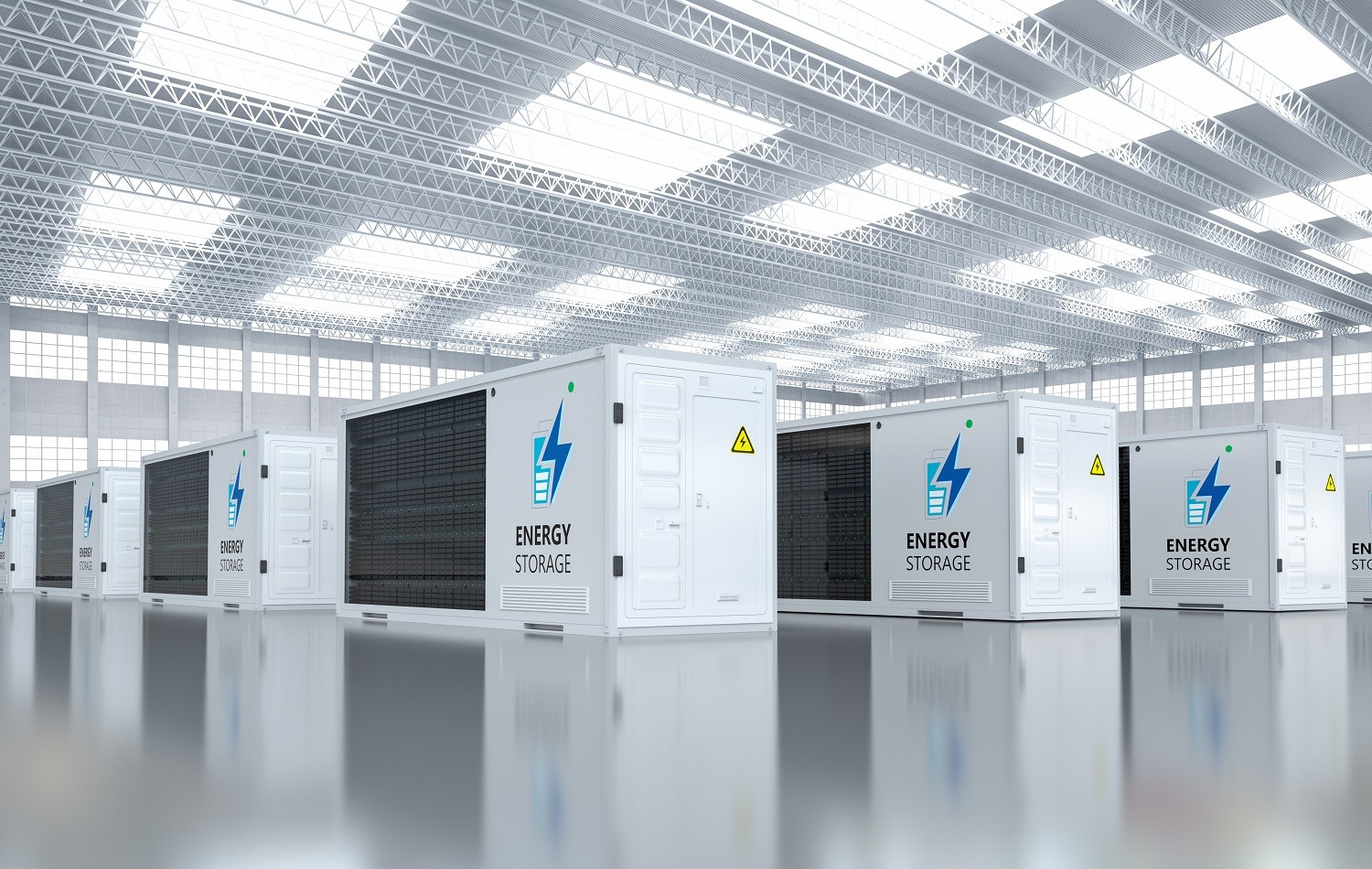
Modern energy storage systems operate under increasingly demanding electrical conditions. Large battery clusters, high-power inverters, bidirectional charge-discharge cycles, and compact installation layouts create substantial thermal and electrical stress on cables.
Unlike traditional power distribution systems that may experience relatively stable loads, energy storage systems frequently operate at varying power levels. During rapid charging and discharging cycles, cables may be exposed to high continuous currents for extended periods.
Poor cable selection can lead to:
Excessive conductor heating
Increased power losses
Higher system operating temperatures
Reduced battery efficiency
Premature insulation degradation
Increased maintenance costs
Elevated safety risks
Therefore, cable sizing should never be based solely on conductor cross-sectional area. A comprehensive evaluation of ampacity, thermal performance, installation environment, and future operating conditions is essential.
Understanding Ampacity in Energy Storage Applications
Ampacity refers to the maximum current a cable can continuously carry without exceeding its permissible operating temperature.
In energy storage projects, ampacity calculations must account for more than the nominal current value shown on system drawings.
Key influencing factors include:
Energy storage systems often operate for several hours at rated power. Engineers should evaluate the actual continuous current rather than relying only on peak load values.
For example, a battery system delivering 500 kW at 1000 V DC will continuously carry approximately 500 A. The selected cable must safely support this load under real operating conditions.
2️⃣ Ambient Temperature
Cable current-carrying capacity decreases as ambient temperature increases.
Outdoor battery containers, desert solar-plus-storage projects, and enclosed equipment rooms may experience ambient temperatures significantly above standard reference conditions. Temperature correction factors must be applied during cable selection.
3️⃣ Cable Grouping and Bundling
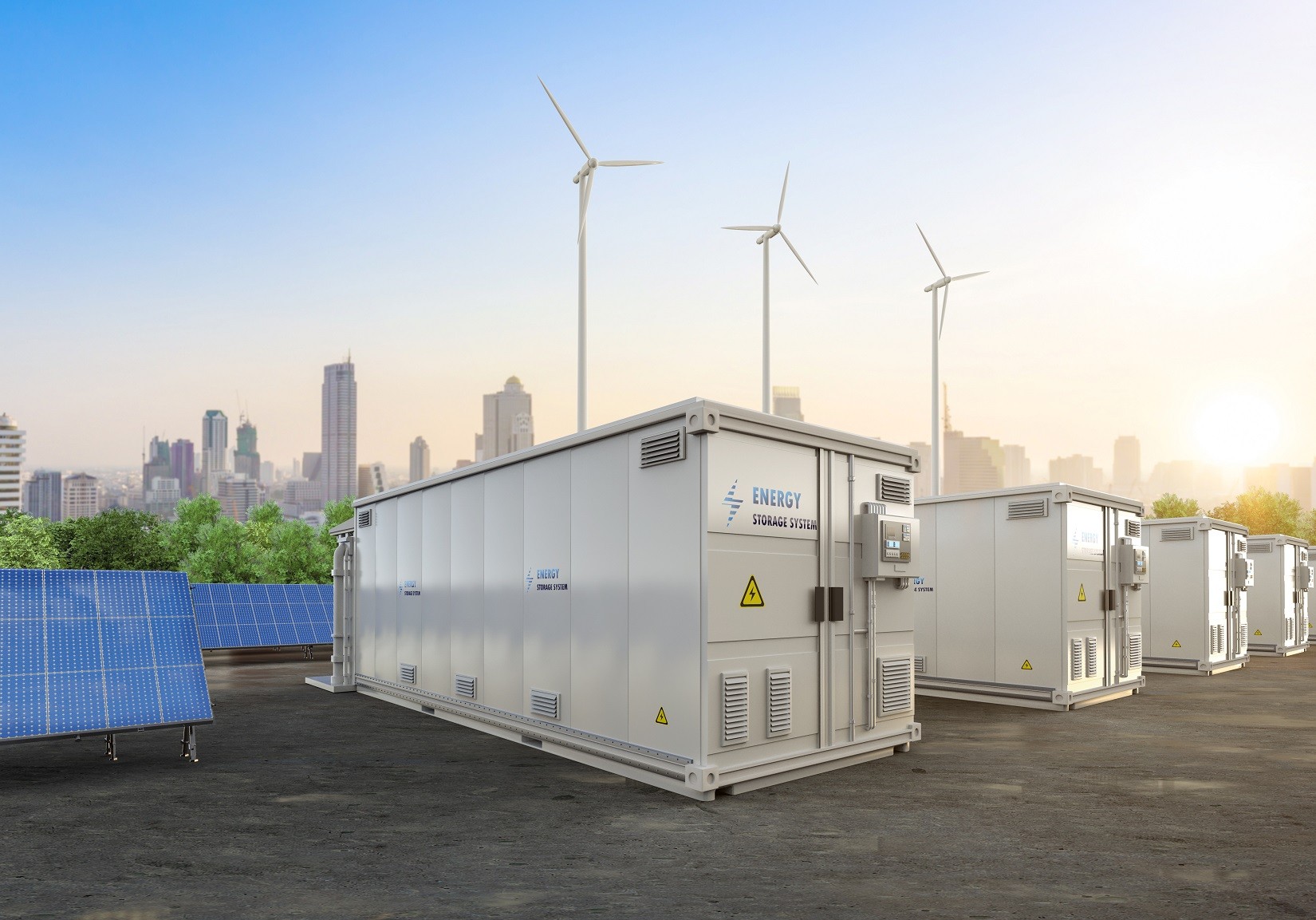
In many BESS installations, multiple cables are routed together in trays, conduits, or cable channels.
Grouped cables dissipate heat less effectively, resulting in reduced ampacity. Ignoring derating factors can lead to unexpected temperature rise even when conductor sizing appears adequate on paper.
4️⃣ Installation Method
Cable installation has a direct impact on thermal performance.
For example:
Open-air installations provide better cooling.
Underground installations retain heat.
Enclosed conduits restrict heat dissipation.
Battery container environments often experience elevated internal temperatures.
Engineers should always calculate ampacity according to the actual installation method rather than laboratory conditions.
The Relationship Between Current and Temperature Rise
One of the most important principles in cable engineering is that current generates heat. As electrical current flows through a conductor, resistance produces thermal energy according to Joule's Law. Higher currents generate greater heat, causing conductor temperature to rise.
The consequences of excessive temperature rise include:
1️⃣ Accelerated Insulation Aging
Cable insulation materials have defined thermal endurance limits.
Operating continuously near or above these limits can dramatically shorten service life. A cable designed for 25 years may experience significantly earlier degradation if excessive temperatures persist.
2️⃣ Increased Power Losses
Higher conductor temperatures increase electrical resistance.
This creates additional energy losses and reduces overall system efficiency. In large-scale energy storage projects, even small efficiency reductions can translate into substantial lifetime costs.
3️⃣ Reduced System Reliability
Elevated temperatures can affect cable terminations, connectors, busbars, and surrounding components.
Long-term exposure to excessive heat increases the likelihood of connection failures and maintenance interventions.
4️⃣ Potential Safety Hazards
In extreme cases, excessive temperature rise may damage insulation systems and increase fire risks, particularly in confined battery storage environments.
For these reasons, controlling temperature rise is just as important as meeting minimum ampacity requirements.
Why Safety Margin Is Essential?
Many engineers make the mistake of sizing cables based solely on calculated load current.
While technically acceptable, this approach often leaves little room for real-world operating variations.
A properly designed energy storage system should include sufficient safety margin to accommodate:
Future capacity expansion
Ambient temperature fluctuations
Load variations
Aging-related performance changes
Installation tolerances
Unexpected operating conditions
For example, if calculations indicate a cable ampacity requirement of 400 A, selecting a cable rated only slightly above that value may not provide adequate long-term reliability.
Instead, engineers often incorporate additional design margin to ensure stable operation throughout the system lifecycle.
The goal is not excessive oversizing, but rather creating a balanced design that maintains safety and efficiency under all foreseeable operating conditions.
Choosing the Right Conductor Material
Conductor material plays a significant role in balancing performance and project economics.
Copper Conductors
Copper remains the preferred choice for many energy storage installations due to:
· High electrical conductivity
· Lower resistance
· Compact cable dimensions
· Excellent mechanical strength
· Proven long-term reliability
Copper cables are particularly suitable for applications where space is limited and maximum performance is required.
Aluminum Conductors
As energy storage projects continue to increase in scale, aluminum conductor cables are becoming increasingly attractive.
Advantages include:
· Lower material cost
· Reduced cable weight
· Easier transportation and handling
· Lower theft risk in certain installations
Modern copper-to-aluminum connectivity technologies and dedicated aluminum cable connectors have significantly improved installation reliability, making aluminum a viable option for large-scale energy storage projects seeking cost optimization.
How SUNKEAN Supports Reliable Energy Storage Connectivity?
At SUNKEAN, we understand that energy storage cable selection is about more than meeting a current rating. It requires balancing electrical performance, thermal management, installation efficiency, safety requirements, and project economics.
Our portfolio of energy storage connectivity solutions includes high-performance copper and aluminum conductor cables, pre-assembled harnesses, copper-to-aluminum connection systems, and customized connectivity solutions designed for modern battery energy storage systems. With advanced manufacturing capabilities, strict quality control processes, and extensive experience in renewable energy applications, SUNKEAN helps customers build safer, more reliable, and more efficient energy storage infrastructure.
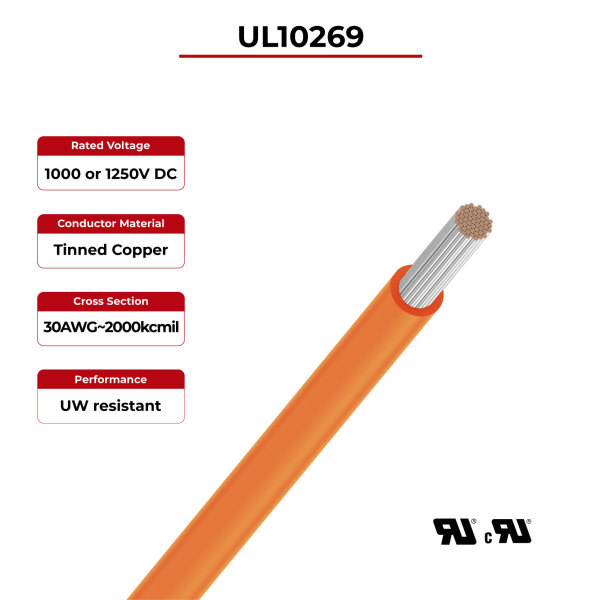
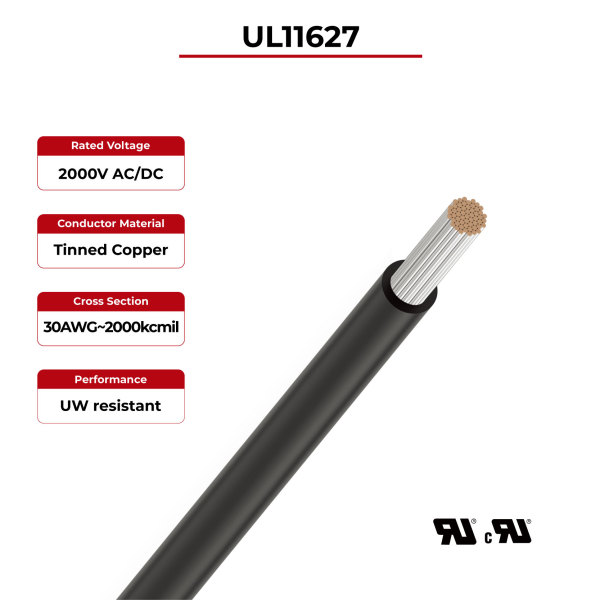
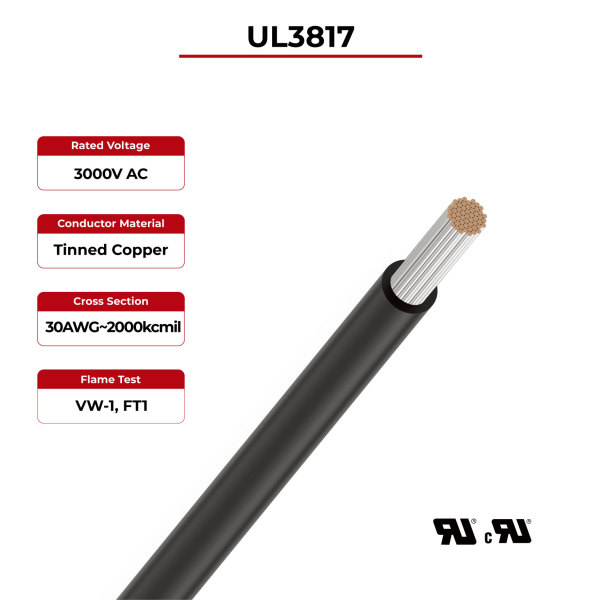
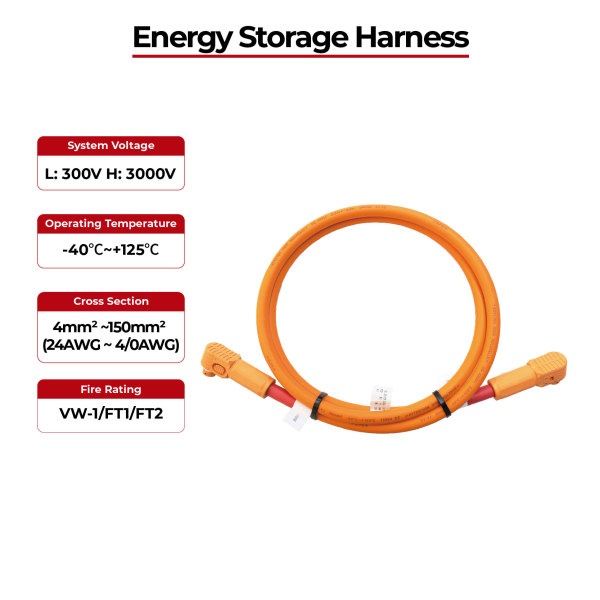
SUNKEAN energy storage harnesses can maximize the performance of cables and apply them to large-scale projects.
Successful energy storage cable selection requires a holistic approach. Ampacity alone cannot determine the optimal cable size. Engineers must also evaluate temperature rise, installation conditions, conductor material, insulation performance, and appropriate safety margins.
By carefully balancing these factors, project developers can reduce energy losses, extend equipment life, improve operational safety, and optimize total project costs. As energy storage systems continue to grow in scale and complexity, choosing the right cable becomes not just a technical decision—but a strategic investment in long-term system performance.
Looking for reliable ev charging cable solutions for your project?
SUNKEAN provides high-performance cables designed for solar, industrial, and infrastructure applications — with proven durability, customized solutions, and global project experience.
👉 Contact our team for technical consultation or product recommendations,
or simply send us your project requirements:
Email: sales@sunkean.com
Tel: +86 0510-81083036
WhatsApp: 17252867971