How to Choose the Right Cable Size: Balancing Current Capacity and Cost in Cable Selection
- Share
- Issue Time
- May 31,2026
Summary
Learn how to choose the right cable size by balancing current carrying capacity, voltage drop, installation conditions, and project cost.
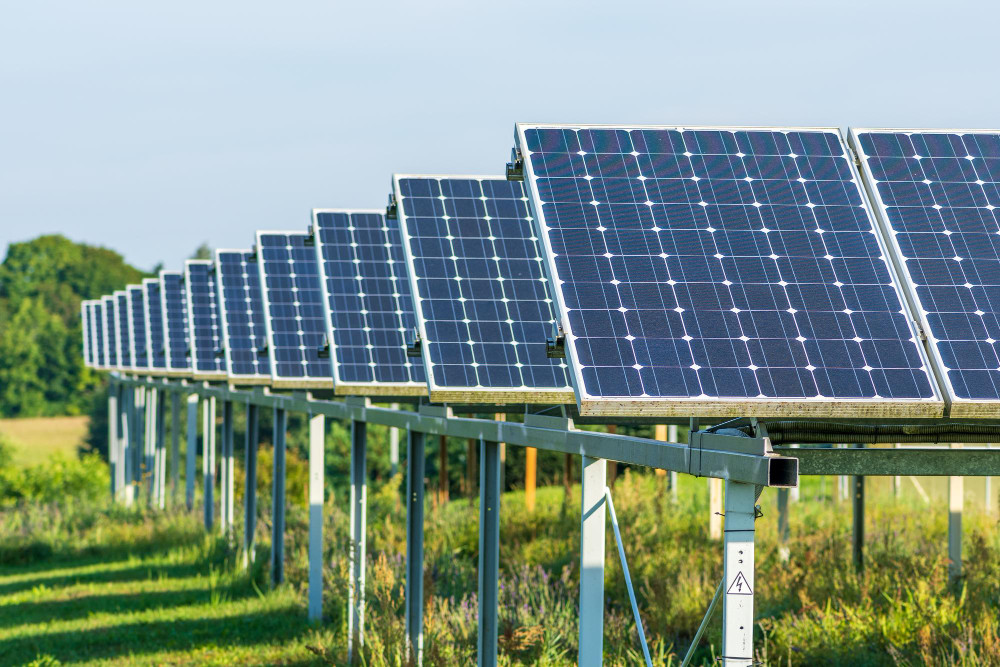
In photovoltaic, energy storage, EV charging, and industrial power systems, cable sizing is never just about “bigger is safer.” Oversized cables increase material and installation costs, while undersized cables may lead to overheating, voltage drop, energy loss, and even long-term safety risks. So how do engineers and project developers choose the right cable size while balancing current carrying capacity, reliability, and overall project cost?
This article explains the logic behind cable sizing and the key factors that should be considered in real-world projects.
Why Cable Size Matters?
Cable size directly affects:
· Current carrying capacity (ampacity)
· Voltage drop
· System efficiency
· Installation flexibility
· Material and labor cost
· Long-term operational reliability
In large-scale photovoltaic and energy storage projects, cable investment often represents a significant portion of the electrical system cost. Choosing the correct conductor size can help optimize both system performance and total project economics.
Current Carrying Capacity Is the Starting Point
The first step in cable selection is determining the required current carrying capacity. The cable must safely handle the maximum operating current without excessive temperature rise. If the conductor is too small, heat accumulation may damage insulation, reduce service life, or create fire risks.
However, ampacity is not determined by conductor size alone. It is also influenced by:
· Ambient temperature
· Installation method
· Cable grouping
· Ventilation conditions
· Insulation material
· Conductor material (copper or aluminum)
For example, cables installed in high-temperature rooftop PV systems or densely packed cable trays may require derating adjustments.
Voltage Drop Cannot Be Ignored
In long-distance power transmission scenarios such as utility-scale solar farms or energy storage systems, voltage drop becomes another critical factor. Even if a cable meets ampacity requirements, excessive voltage drop can reduce system efficiency and increase energy loss.
A properly sized cable helps:
· Improve power transmission efficiency
· Reduce energy loss
· Maintain stable equipment operation
· Improve long-term system performance
In many PV projects, optimizing voltage drop is just as important as meeting current carrying requirements.
Bigger Cables Are Not Always Better
Some projects intentionally choose oversized cables to create a “safety margin.” While this may reduce resistance and temperature rise, it also increases:
· Copper or aluminum consumption
· Cable weight
· Transportation cost
· Installation difficulty
· Connector and terminal size requirements
Oversized cables may also reduce installation flexibility in confined spaces. The goal of cable sizing is not selecting the largest conductor possible, but finding the optimal balance between safety, performance, and cost.
Copper vs. Aluminum: Another Important Selection Logic
In recent years, aluminum cable solutions have gained increasing attention in photovoltaic and energy storage projects due to rising copper prices. Compared with copper cables, aluminum cables offer:
· Lower material cost
· Reduced cable weight
· Easier transportation and handling
· Better economics for large-scale installations
However, aluminum conductors require optimized connection design and reliable transition technology to ensure stable long-term electrical performance. This is why Cu-Al transition interconnection solutions are becoming increasingly important in modern energy infrastructure.
Installation Environment Changes the Selection Result
The same cable may require different conductor sizes depending on the application environment.
Factors such as:
· High ambient temperature
· UV exposure
· Humidity
· Mechanical stress
· Outdoor installation
· Chemical corrosion
can all influence cable performance and service life.
For photovoltaic systems, selecting solar cables with excellent UV resistance, weather resistance, and thermal stability is essential for long-term reliability.
Pre-Assembled and Optimized Cable Solutions Improve Efficiency
Modern large-scale projects are increasingly adopting pre-assembled cable and harness solutions. Compared with traditional on-site cable processing, pre-assembled solutions help:
· Reduce installation time
· Improve connection consistency
· Lower labor costs
· Reduce installation errors
· Improve project delivery efficiency
Integrated cable design also helps optimize conductor sizing and overall system layout.
Choosing the Right Cable Size Requires System-Level Thinking
Cable sizing should never be based on a single parameter alone. An optimized cable solution requires comprehensive evaluation of:
· Current carrying capacity
· Voltage drop
· Installation conditions
· Environmental factors
· Material cost
· Installation efficiency
· Long-term operational reliability
As photovoltaic, energy storage, EV charging, and AI infrastructure continue to evolve toward higher power density and larger scale deployment, cable selection is becoming increasingly important for overall system optimization.
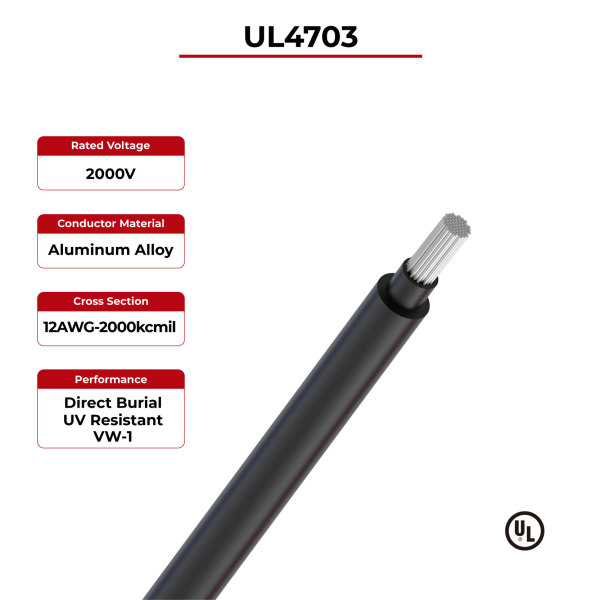
Conductor: 18AWG~2000kcmil
Color: Black, red or other colors
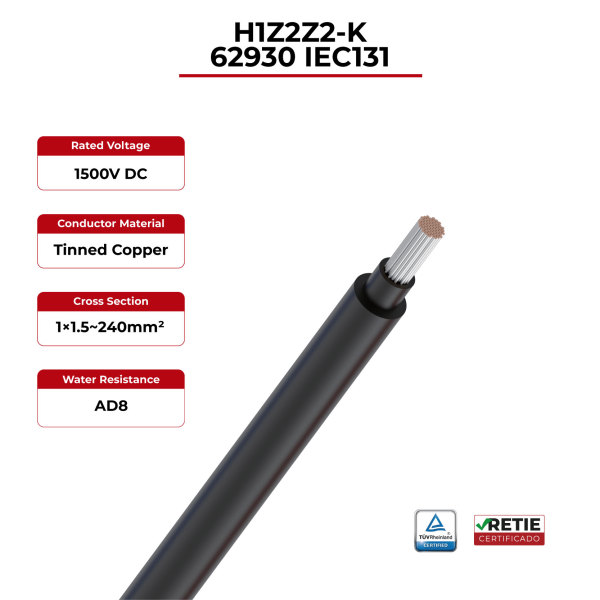
Conductor: 1×1.5~400mm²
Insulation Color: Optional color
Jacket Color: Optional color
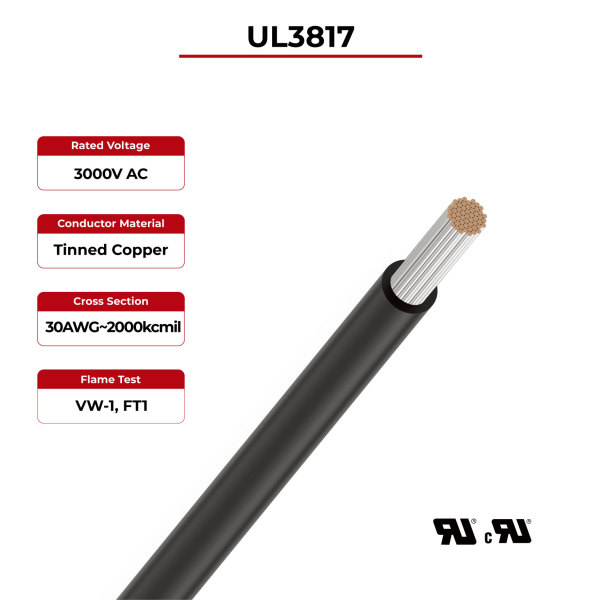
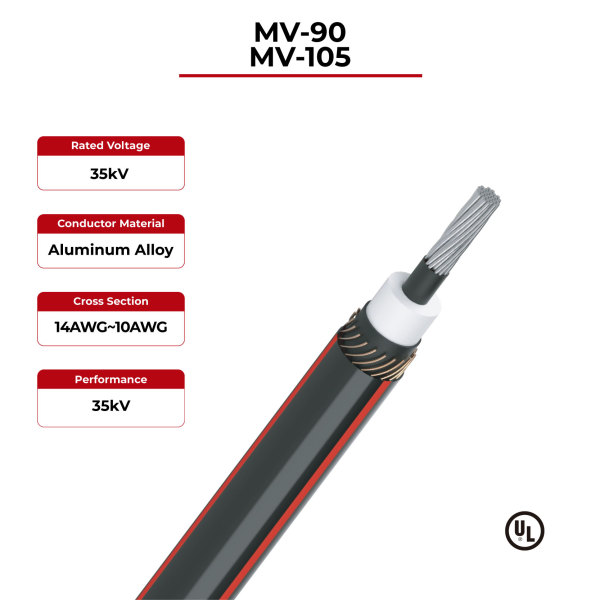
Conductor: 14AWG~2000kcmil
Insulation Color: White
Jacket Color: Black & red
The best cable size is not simply the largest or cheapest option — it is the most balanced solution for safety, efficiency, installation, and lifecycle cost.
By understanding the logic behind ampacity, voltage drop, installation conditions, and conductor materials, project developers and EPCs can make more informed cable selection decisions and improve overall project performance.
As a professional cable and interconnection solution provider, SUNKEAN continues to deliver optimized photovoltaic cables, energy storage cables, wiring harnesses, and Cu-Al transition solutions to support safer, more efficient, and more cost-effective energy infrastructure worldwide.
With strong manufacturing capability and extensive project experience, SUNKEAN provides customized cable solutions for photovoltaic, energy storage, EV charging, and AI infrastructure applications. From high-performance solar cables and pre-assembled harnesses to innovative Cu-Al transition interconnection solutions, SUNKEAN helps customers optimize current carrying capacity, installation efficiency, and overall system cost. Backed by strict quality control and international certifications, SUNKEAN products are designed to deliver reliable long-term performance in demanding global environments.
Looking for reliable ev charging cable solutions for your project?
SUNKEAN provides high-performance cables designed for solar, industrial, and infrastructure applications — with proven durability, customized solutions, and global project experience.
👉 Contact our team for technical consultation or product recommendations,
or simply send us your project requirements:
Email: sales@sunkean.com
Tel: +86 0510-81083036
WhatsApp: 17252867971