Why Battery Pack Wiring Harnesses in Energy Storage Systems Require High Temperature, Flame Retardant, and Consistent Design
- Share
- Issue Time
- Apr 13,2026
Summary
Battery pack wiring harnesses are critical to ESS safety and performance. Learn why temperature resistance, flame retardancy, and consistency are essential in modern energy storage systems.

Why Energy Storage Systems Require Battery Pack Wiring Harnesses with High Temperature Resistance, Flame Retardancy, and Consistency
As global deployment of energy storage systems continues to accelerate across utility-scale, commercial & industrial (C&I), and renewable hybrid applications, system safety and long-term operational reliability are becoming critical evaluation criteria for developers and integrators. Among the many components inside an energy storage installation, battery pack wiring harnesses play a particularly important role in maintaining electrical stability and preventing safety risks.
Compared with conventional power transmission cables, battery pack wiring harnesses operate inside compact battery racks and enclosed system environments where thermal accumulation, electrical density, and installation complexity are significantly higher. Under these conditions, temperature resistance, flame-retardant performance, and manufacturing consistency become essential technical requirements rather than optional performance features.
Understanding why these three factors matter helps system designers select wiring harness solutions that support safer and more reliable energy storage operation throughout the full project lifecycle.
Why Temperature Resistance Matters in Battery Pack Wiring Harnesses
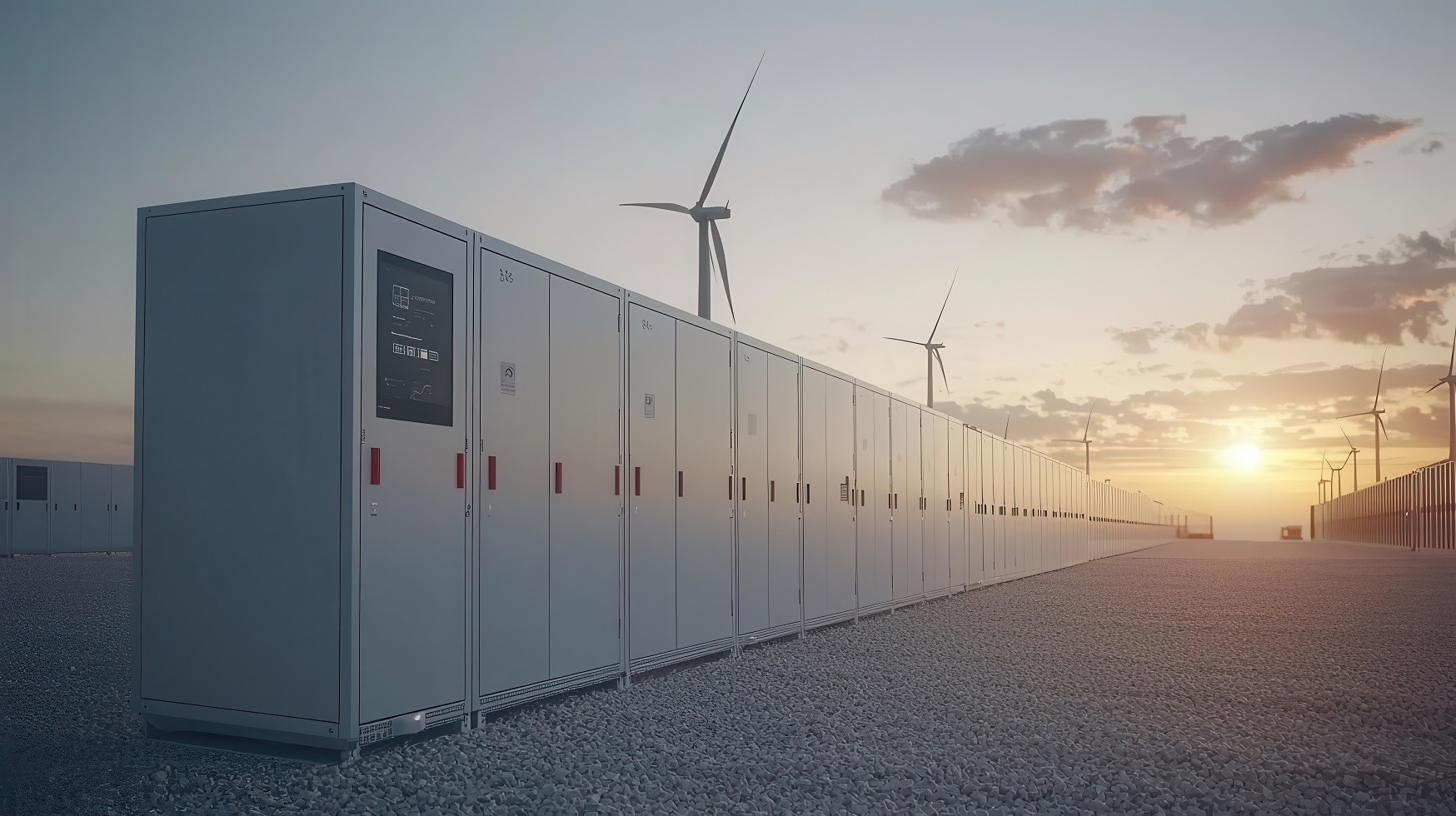
Inside modern containerized energy storage systems, battery modules are typically arranged in high-density rack structures to maximize energy capacity within limited space. During charge and discharge cycles, batteries generate heat continuously, and this thermal energy accumulates within the enclosure.
Battery pack wiring harnesses installed inside these environments must therefore maintain stable insulation performance under long-term elevated operating temperatures. If insulation materials degrade prematurely due to insufficient temperature resistance, electrical leakage risks increase and system reliability may decline over time.
Temperature-resistant harness structures help maintain conductor insulation integrity, ensure stable current transmission between battery modules and the battery management system (BMS), and support predictable system behavior during continuous operation cycles. For large-scale storage installations expected to operate for more than a decade, this stability becomes a fundamental requirement rather than a performance enhancement.
The Importance of Flame-Retardant Performance in Energy Storage Safety Design
Energy storage systems are typically deployed inside enclosed cabinets or containerized infrastructures where electrical components operate in close proximity. In such environments, localized overheating or unexpected electrical faults may create potential ignition risks if materials are not properly selected.
Flame-retardant battery pack wiring harnesses help reduce the possibility of fire propagation between adjacent modules and internal system compartments. Instead of acting as ignition pathways, properly engineered harness insulation structures slow flame spread and provide valuable response time for protection systems and monitoring devices to activate.

As safety expectations continue to increase across global energy storage markets, flame-retardant wiring harness materials are becoming a standard design requirement for battery system integrators rather than an optional upgrade feature.
Why Consistency Is Critical for Battery System Electrical Stability
Large-scale energy storage systems often include hundreds or even thousands of battery modules operating simultaneously within a coordinated electrical architecture. Under these conditions, wiring harness consistency directly affects current distribution balance between battery units.
If conductor resistance varies between harness assemblies or connector interfaces are not manufactured with uniform precision, uneven current flow may occur inside battery clusters. Over time, this imbalance can influence battery performance stability and increase stress on battery management system monitoring accuracy.
High manufacturing consistency ensures that wiring harnesses maintain predictable electrical characteristics across large installations. This helps improve module synchronization performance, supports accurate BMS communication, and contributes to extending the overall service life of the storage system.
Typical Application Scenarios of Battery Pack Wiring Harnesses in Energy Storage Systems
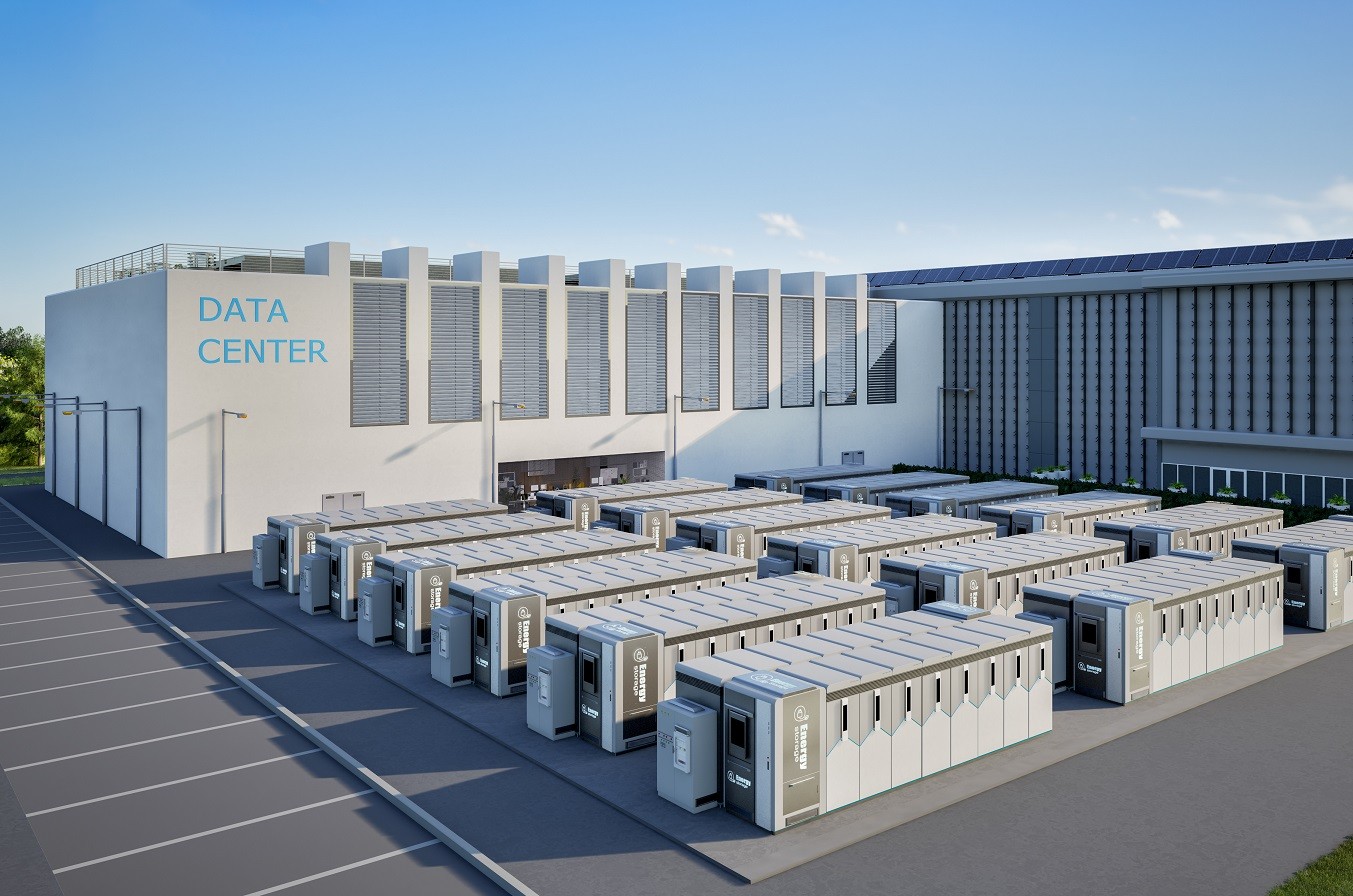
Battery pack wiring harnesses are widely used across multiple energy storage system architectures, and their performance requirements vary depending on system scale, operating environment, and integration complexity.
In utility-scale containerized energy storage systems, wiring harnesses connect battery modules to battery management systems and high-voltage distribution components inside densely packed battery racks. These installations often operate under high ambient temperature fluctuations and long service lifecycles exceeding 15 years, requiring harnesses with stable insulation performance, consistent conductor resistance, and verified flame-retardant properties to ensure uninterrupted operation.
In commercial and industrial energy storage applications, wiring harnesses must support compact layouts and flexible routing paths within cabinets or integrated inverter-storage systems. In these scenarios, installation efficiency, connector compatibility, and mechanical durability become equally important alongside temperature resistance and fire safety performance.
For renewable hybrid storage systems such as solar-plus-storage installations, battery pack harnesses are frequently exposed to elevated ambient temperatures caused by inverter heat generation and outdoor enclosure environments. Reliable thermal endurance and insulation aging resistance are therefore essential to maintain system efficiency and electrical stability throughout long-term operation.
Across all these scenarios, the wiring harness functions not only as a power transmission component but also as a critical safety interface ensuring electrical consistency between battery modules and system control architecture.
How to Select the Right ESS Wiring Harness for Your Project
Selecting the appropriate battery pack wiring harness for an energy storage system requires evaluating multiple technical parameters that directly influence system safety, installation efficiency, and long-term operational reliability.
Temperature rating is one of the primary considerations, especially for containerized and high-density storage systems where internal heat accumulation can accelerate insulation aging. Harness materials must maintain electrical stability under continuous elevated operating temperatures without compromising flexibility or durability.
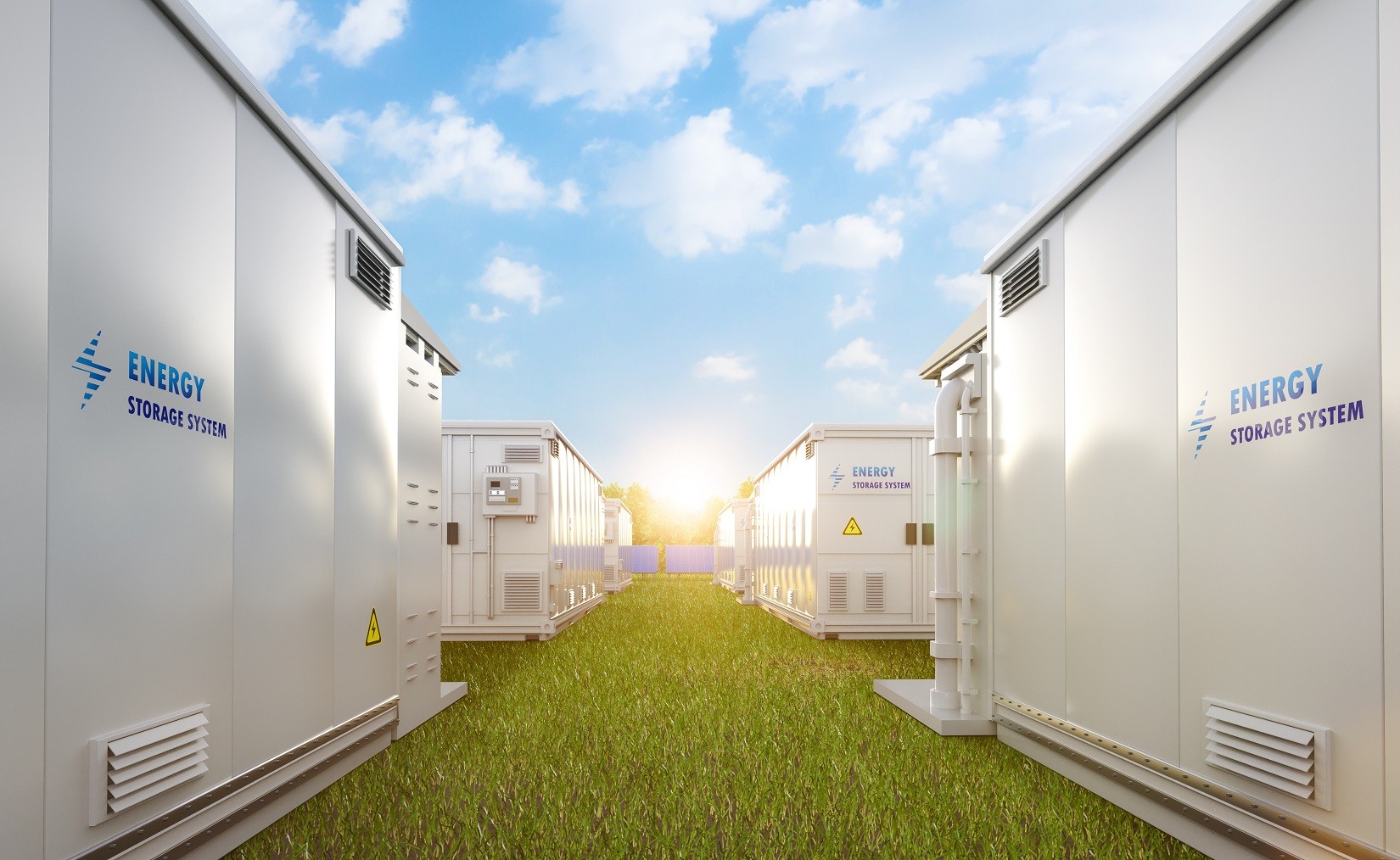
Flame-retardant performance is another essential factor. Energy storage installations typically operate in enclosed environments where fire propagation risks must be strictly controlled. Choosing harnesses that meet recognized flame-retardant standards helps reduce potential hazards and improves overall system safety compliance.
Consistency across harness assemblies is equally critical in large-scale battery deployments. Uniform conductor resistance, connector quality, and insulation structure ensure balanced current distribution between battery modules, which supports accurate battery management system operation and extends the service life of the entire storage system.
Additional selection considerations include connector compatibility with battery modules and BMS interfaces, routing flexibility within compact enclosures, and certification readiness aligned with regional market requirements. Evaluating these factors together allows project developers and system integrators to identify wiring harness solutions that deliver stable electrical performance throughout the full lifecycle of the energy storage installation.
SUNKEAN Energy Storage Wiring Harness Solutions for Reliable System Integration
As energy storage system architectures continue evolving toward higher capacity density and longer lifecycle expectations, wiring harness reliability is becoming increasingly important for ensuring stable electrical connectivity inside battery pack structures.
SUNKEAN provides energy storage wiring harness solutions designed to support demanding installation environments across utility-scale, commercial, and renewable hybrid storage applications. By focusing on temperature-resistant insulation systems, flame-retardant material structures, and precision-controlled manufacturing processes, SUNKEAN harness assemblies help improve electrical stability and safety performance within modern battery storage platforms.
With extensive experience in renewable energy connectivity solutions and close collaboration with system integrators worldwide, SUNKEAN continues to support the development of safer and more efficient energy storage infrastructure through reliable cable and harness technologies.
FAQ: Energy Storage Battery Pack Wiring Harness Selection and Performance
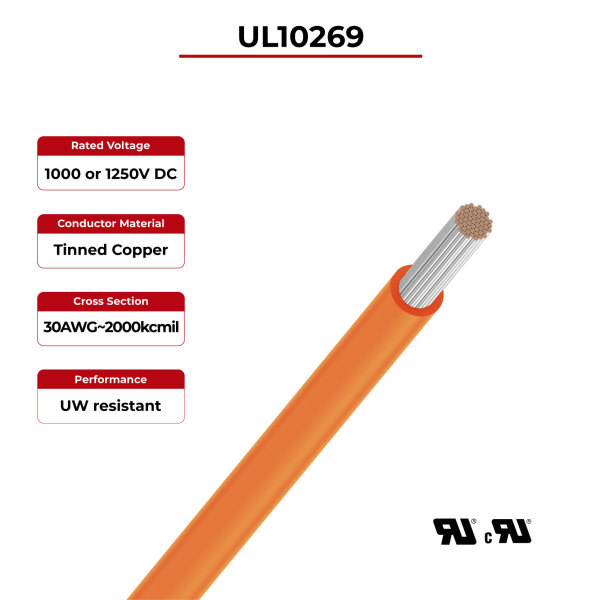
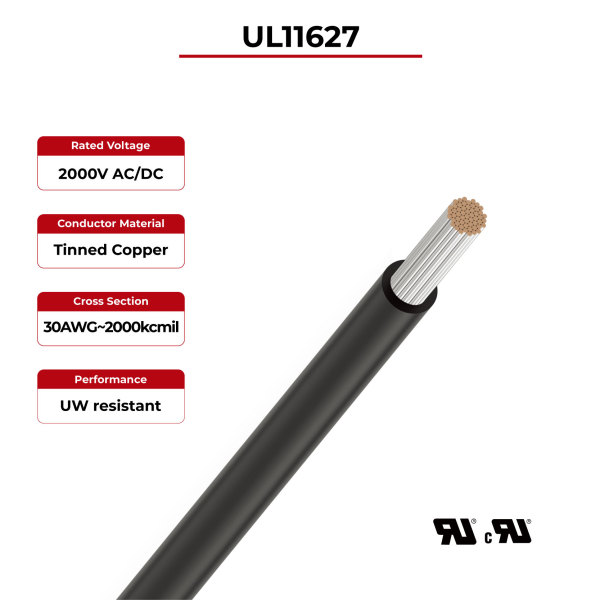
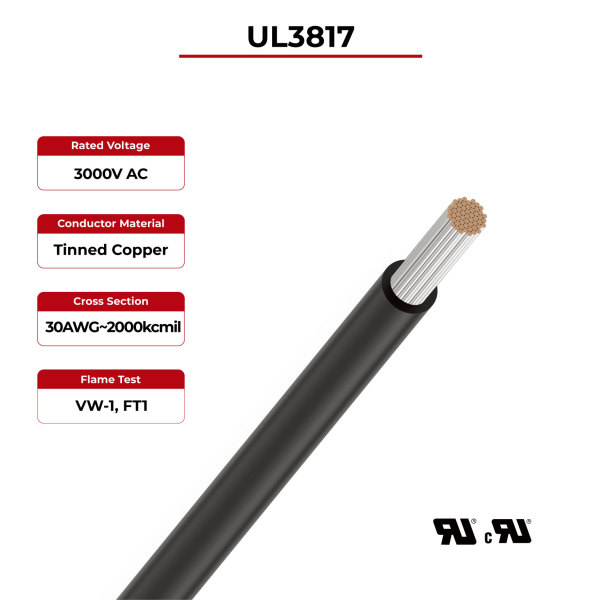
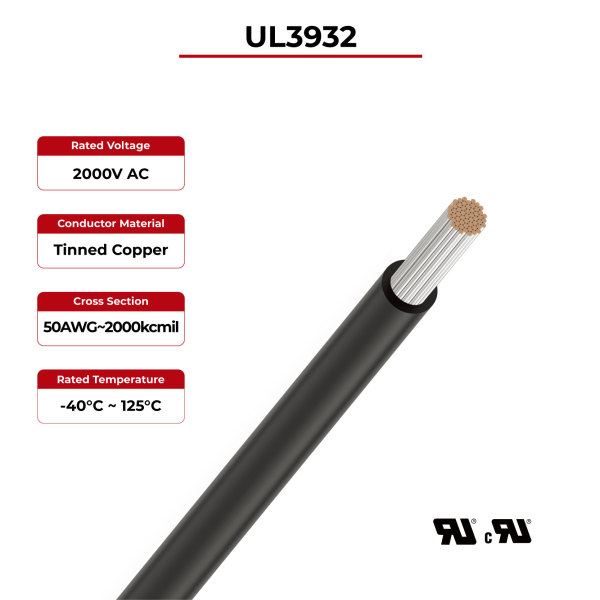
What is the function of a battery pack wiring harness in an energy storage system?
A battery pack wiring harness connects battery modules with the battery management system (BMS) and power distribution components inside an energy storage system. It ensures stable current transmission, supports accurate signal communication, and helps maintain electrical balance between battery units during charge and discharge cycles. Reliable harness performance is essential for maintaining system safety and long-term operational stability.
Why must energy storage wiring harnesses have high temperature resistance?
Energy storage systems operate inside enclosed cabinets or containerized infrastructures where heat accumulates during continuous operation. High temperature resistant wiring harnesses help maintain insulation stability, prevent premature material aging, and ensure reliable electrical performance throughout long-term system operation cycles.
Why is flame-retardant performance important for ESS wiring harnesses?
Flame-retardant wiring harness materials help reduce the risk of fire propagation inside high-density battery installations. In the event of localized overheating or electrical faults, flame-retardant insulation structures slow flame spread and support safer system protection responses within enclosed storage environments.
How does wiring harness consistency affect battery system performance?
Consistent conductor resistance and connector quality ensure balanced current distribution across battery modules. High manufacturing consistency improves battery synchronization accuracy, enhances battery management system monitoring reliability, and contributes to extending overall system service life.
How to choose the right wiring harness for a battery energy storage project?
Selecting the correct wiring harness requires evaluating temperature rating, flame-retardant performance, connector compatibility, insulation material stability, and certification readiness. Matching these parameters with system architecture and installation environment helps ensure safe and reliable operation across the full lifecycle of the energy storage system.