What Makes a Reliable EV Charging Cable? Flexibility, Wear Resistance and Flex Life Explained
- Share
- Issue Time
- Apr 30,2026
Summary
EV charging cables must combine flexibility, abrasion resistance, and long bending life to withstand frequent use and harsh environments.
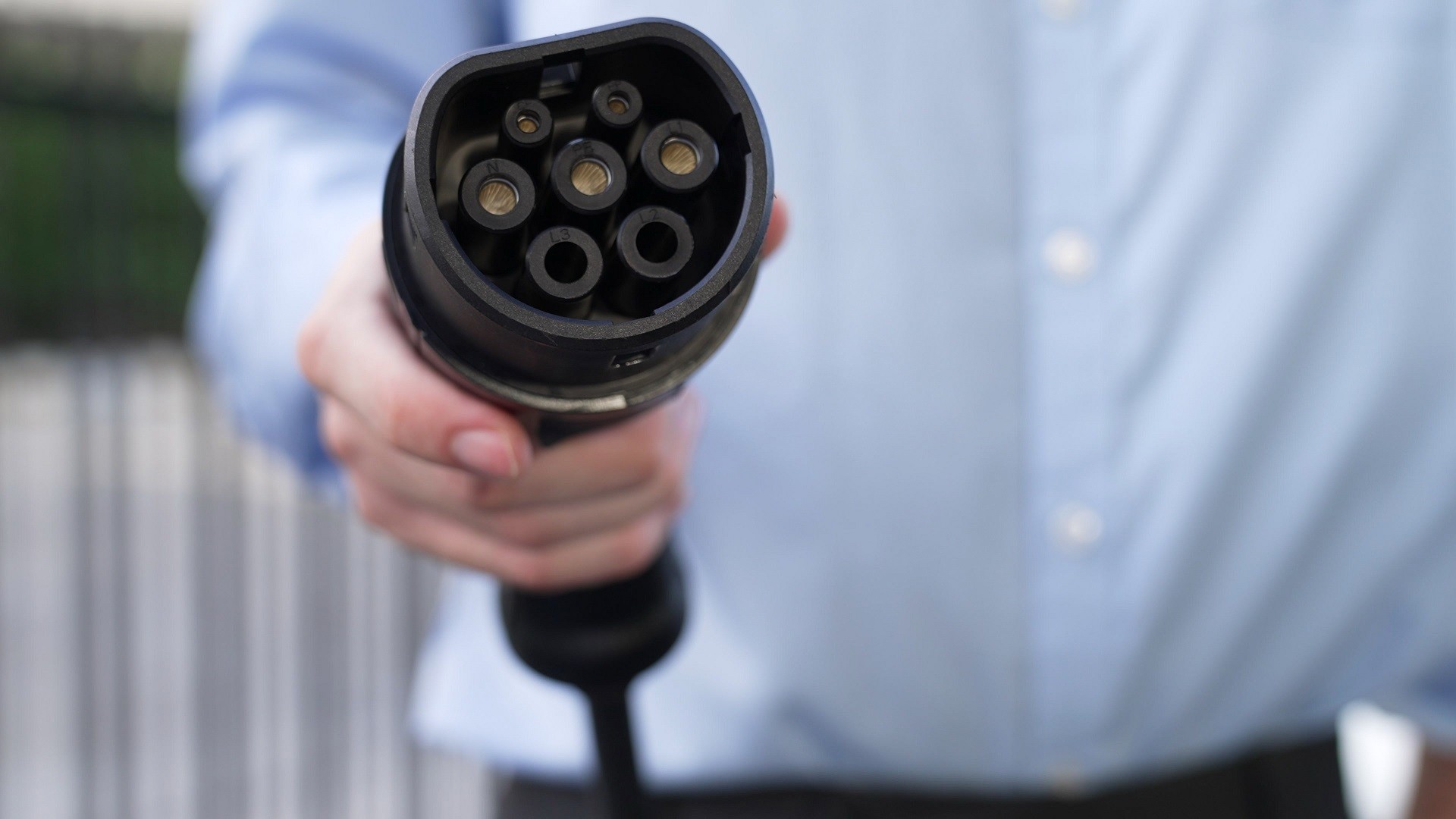
EV Charging Cable Performance Explained: Flexibility, Abrasion Resistance and Bending Life
As electric vehicles continue to scale globally, EV charging infrastructure is expanding rapidly across residential, commercial, and public environments. At the heart of every charging system is a critical yet often overlooked component—the EV charging cable.
Unlike fixed power cables, EV charger cables are subject to frequent handling, repeated bending, and harsh outdoor conditions. This makes performance requirements far more demanding.
👉 To ensure safety, durability, and long-term usability, EV charging cables must achieve a careful balance between:
Flexibility
Abrasion resistance
Bending (flex) life
In this guide, we’ll explain why these three properties are essential and how they impact real-world EV charging performance.
What Is an EV Charging Cable?
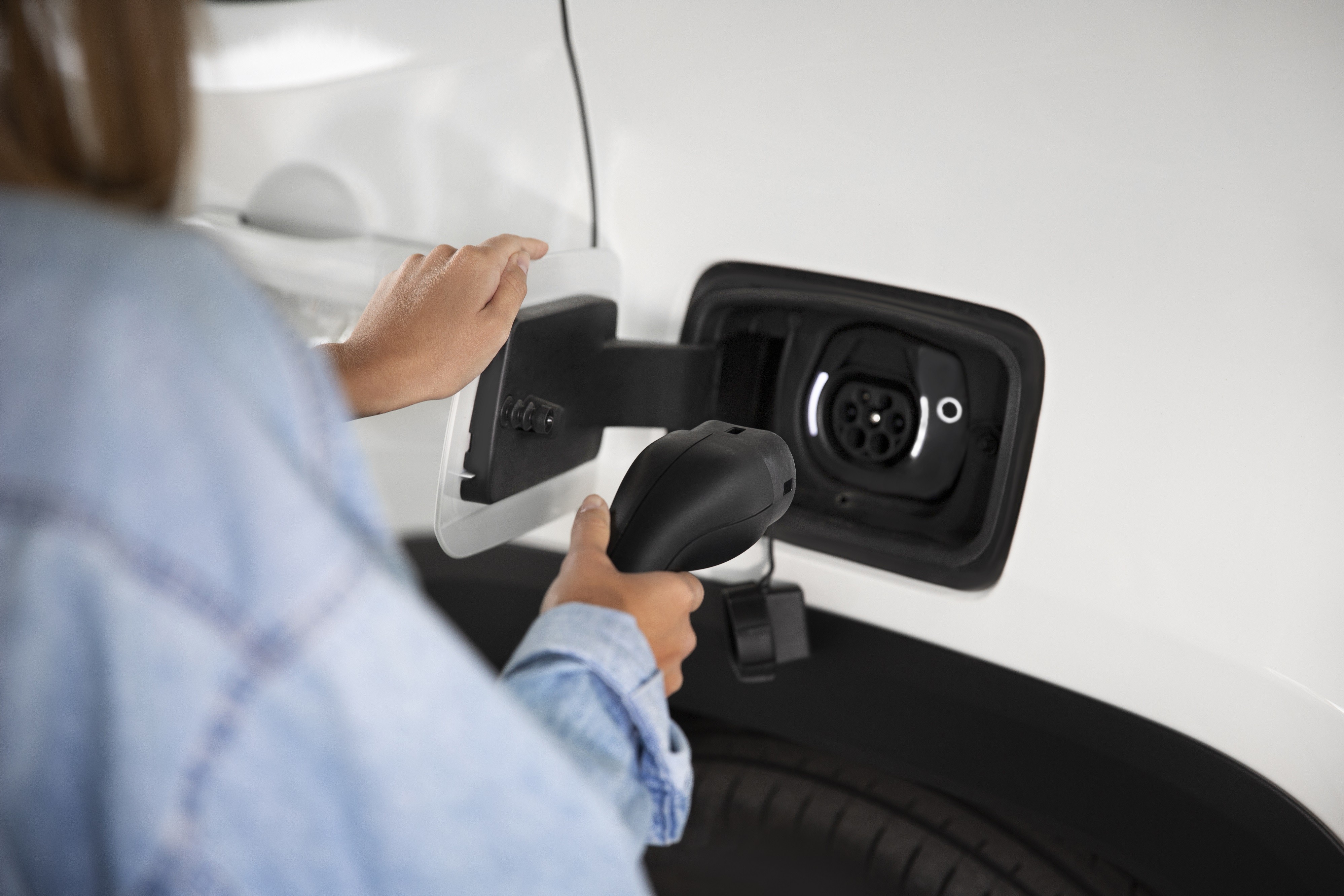
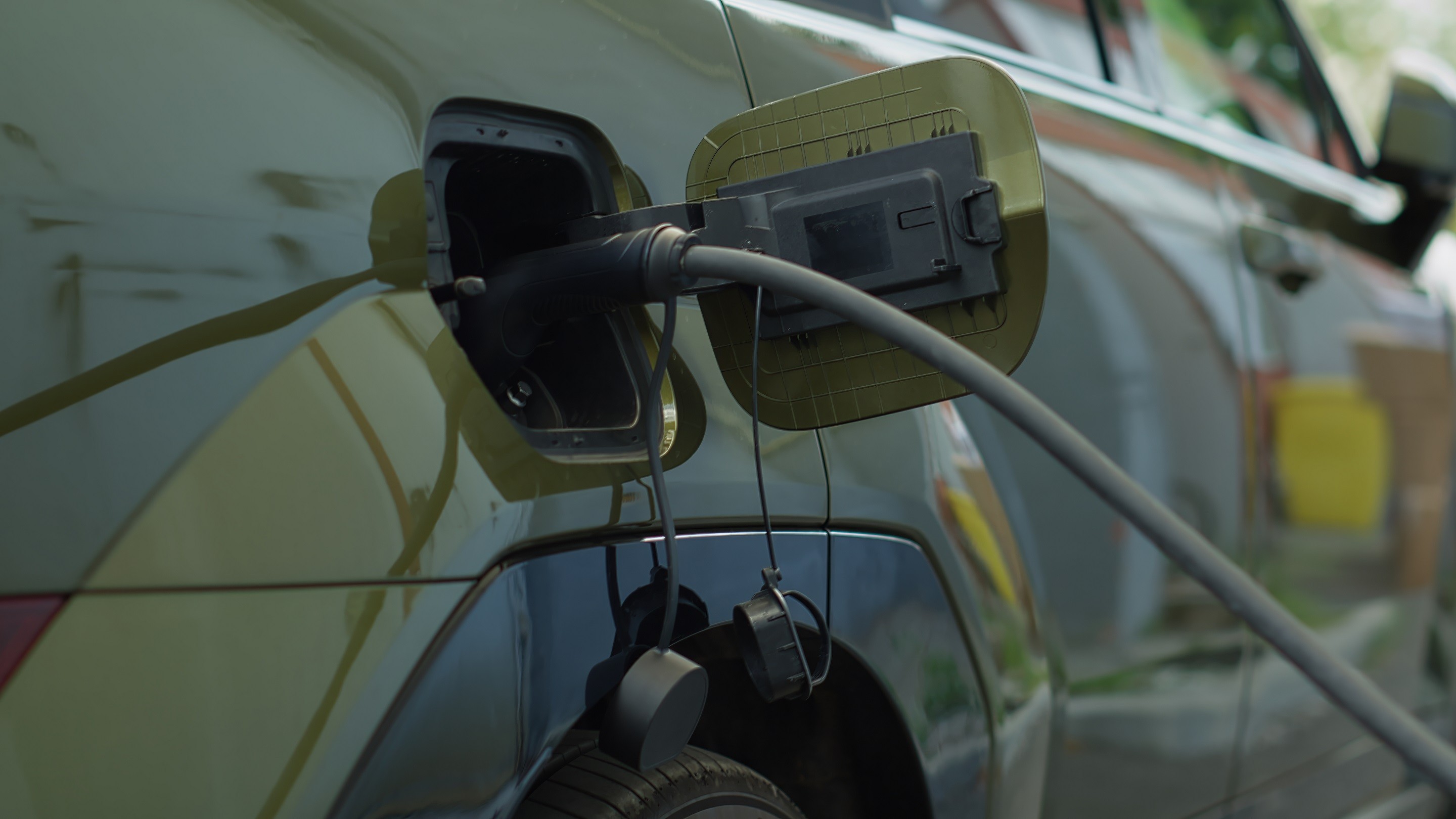
An EV charging cable is a specialized power cable used to transfer electricity from a charging station to an electric vehicle.
Depending on the application, it may be:
Portable (Mode 2 charging cables)
Attached to charging stations (Mode 3)
High-power DC fast charging cables
👉 Unlike standard industrial cables, EV cables must handle dynamic mechanical stress + environmental exposure simultaneously.
Why Flexibility Is Critical for EV Charging Cables
1️⃣ User Experience & Daily Handling
EV charging cables are frequently:
Plugged and unplugged
Coiled and stored
Used in tight parking spaces
A stiff cable can lead to:
Difficult handling
User fatigue
Poor customer experience
👉 Flexible EV charging cables improve usability and ergonomics.
2️⃣ Performance in Low Temperatures
In many regions, EV cables must operate in:
Cold outdoor environments
Winter conditions
Low-quality cables can become:
Rigid
Brittle
Prone to cracking
👉 High-flexibility materials ensure stable performance even at low temperatures.

Why Abrasion Resistance Matters
1️⃣ Outdoor and Ground Contact
EV charger cables are often:
Dragged across the ground
Exposed to rough surfaces
Used in public charging stations
This leads to:
Surface wear
Insulation damage
Reduced lifespan
👉 Abrasion-resistant jackets significantly extend cable service life.
2️⃣ Harsh Environmental Exposure
Charging cables may be exposed to:
UV radiation
Oil and chemicals
Moisture and dust
👉 Durable outer sheath materials protect against environmental degradation.
Why Bending Life (Flex Life) Is a Key Performance Indicator
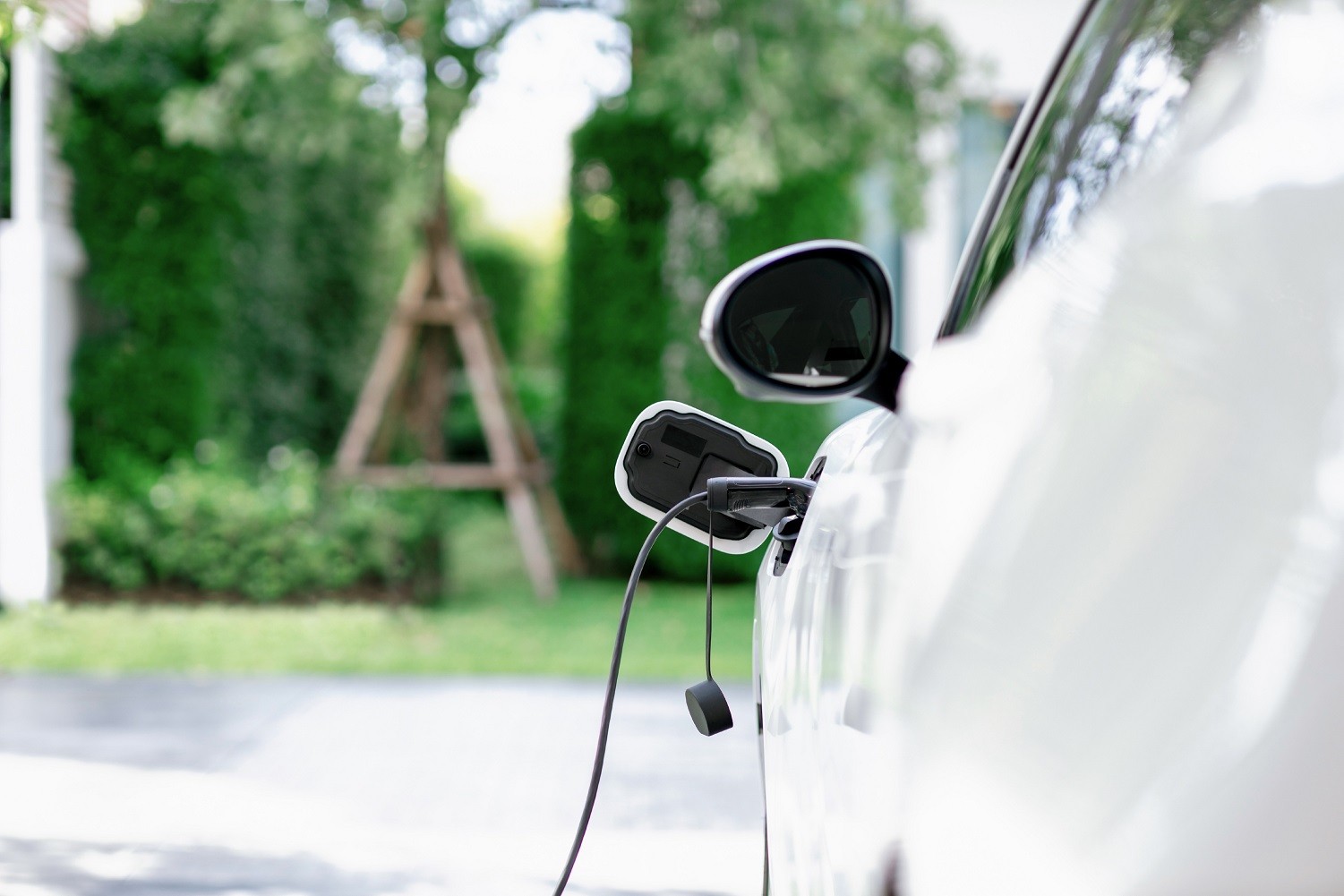
1️⃣ Repeated Use Cycles
An EV charging cable may undergo:
Thousands of bending cycles
Daily coiling and uncoiling
Over time, poor cable design can result in:
Conductor fatigue
Internal breakage
Charging failure
👉 High bending life ensures long-term reliability.
2️⃣ Mechanical Stress at Critical Points
Stress is concentrated at:
Plug connection points
Cable ends
Frequently bent sections
👉 Advanced cable structures reduce stress concentration and extend lifespan.
The Engineering Challenge: Balancing All Three
Achieving flexibility, abrasion resistance, and long bending life is not simple—these properties often conflict:
Softer materials → more flexible but less wear-resistant
Harder materials → more durable but less flexible
👉 High-performance EV charging cables require optimized material formulations and structural design.
Key Design Features of High-Performance EV Charging Cables
✔ Advanced Insulation Materials
TPE (Thermoplastic Elastomer)
TPU (Thermoplastic Polyurethane)
👉 Provide flexibility + durability balance
✔ Reinforced Cable Structure
Multi-layer insulation
Optimized conductor stranding
👉 Improves bending performance and fatigue resistance
✔ Wear-Resistant Outer Jacket
High abrasion resistance
UV and weather protection
👉 Extends lifespan in outdoor environments
✔ Temperature-Resistant Design
Wide operating temperature range
Stable performance in extreme climates
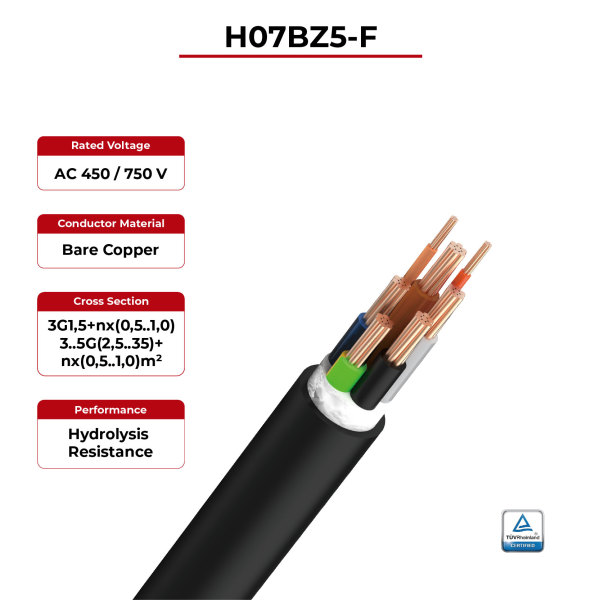
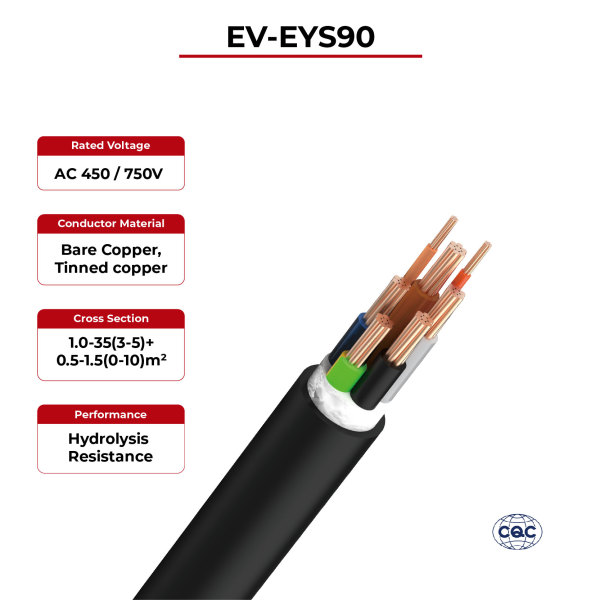
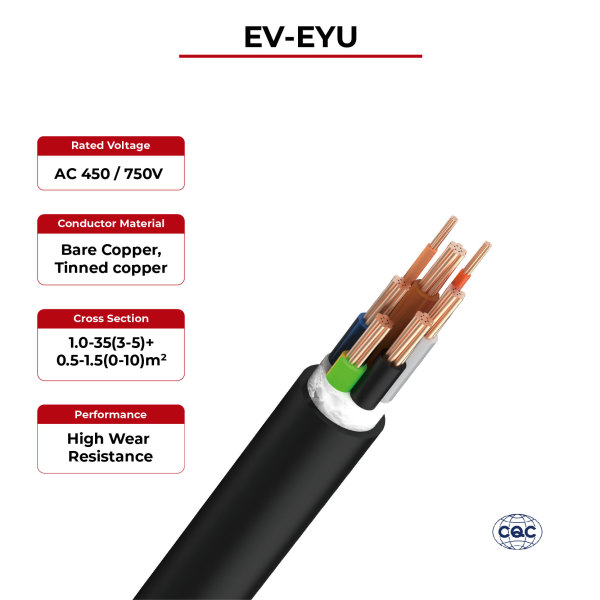
Conductor: 1.5~35mm²
Color: Optional color (except white)
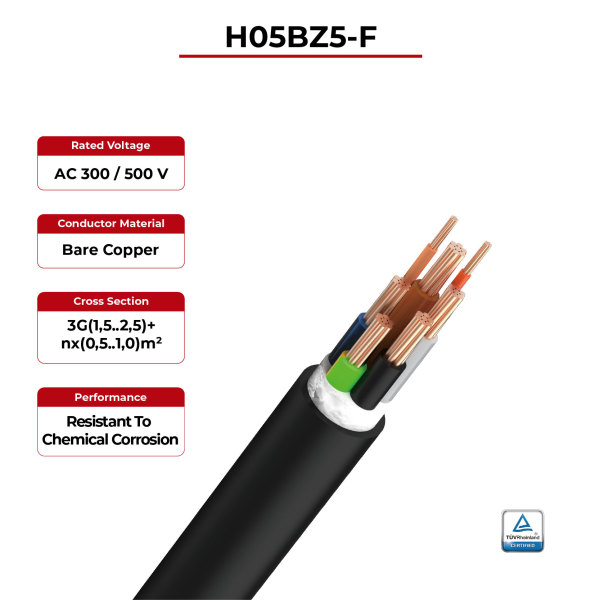
Conductor: 3x1.5mm²+(0~10)x(0.5~1.0)
Color: Optional color (except white)
How to Choose the Right EV Charging Cable
When selecting an EV charging cable, consider:
✔ Flexibility Level
Ensures ease of use and handling
✔ Abrasion Resistance
Critical for outdoor and public use
✔ Bending Life Rating
Indicates long-term durability
✔ Environmental Resistance
UV, water, oil, and temperature performance
✔ Compliance Standards
Such as:
IEC 62893 (EV charging cables)
EN standards for charging systems
SUNKEAN provides advanced EV charging cable solutions designed to meet the demanding requirements of modern charging systems.
Using high-quality materials and optimized cable structures, SUNKEAN cables deliver excellent flexibility, strong abrasion resistance, and extended bending life, ensuring reliable performance in both indoor and outdoor environments.
With compliance to international standards and strict quality control, SUNKEAN supports global EV infrastructure projects with durable, safe, and high-performance charging cable solutions.
Conclusion
EV charging cables are not just power connectors—they are high-performance components that directly impact safety, usability, and system reliability.
By balancing:
✔ Flexibility
✔ Abrasion resistance
✔ Bending life
manufacturers can deliver cables that perform reliably under real-world conditions.
👉 For EV infrastructure projects, selecting the right EV charging cable is essential to ensure long-term performance and user satisfaction.
Looking for reliable ev charging cable solutions for your project?
SUNKEAN provides high-performance cables designed for solar, industrial, and infrastructure applications — with proven durability, customized solutions, and global project experience.
👉 Contact our team for technical consultation or product recommendations,
or simply send us your project requirements:
Email: sales@sunkean.com
Tel: +86 0510-81083036
WhatsApp: 17252867971